
Last updated November 24, 2026
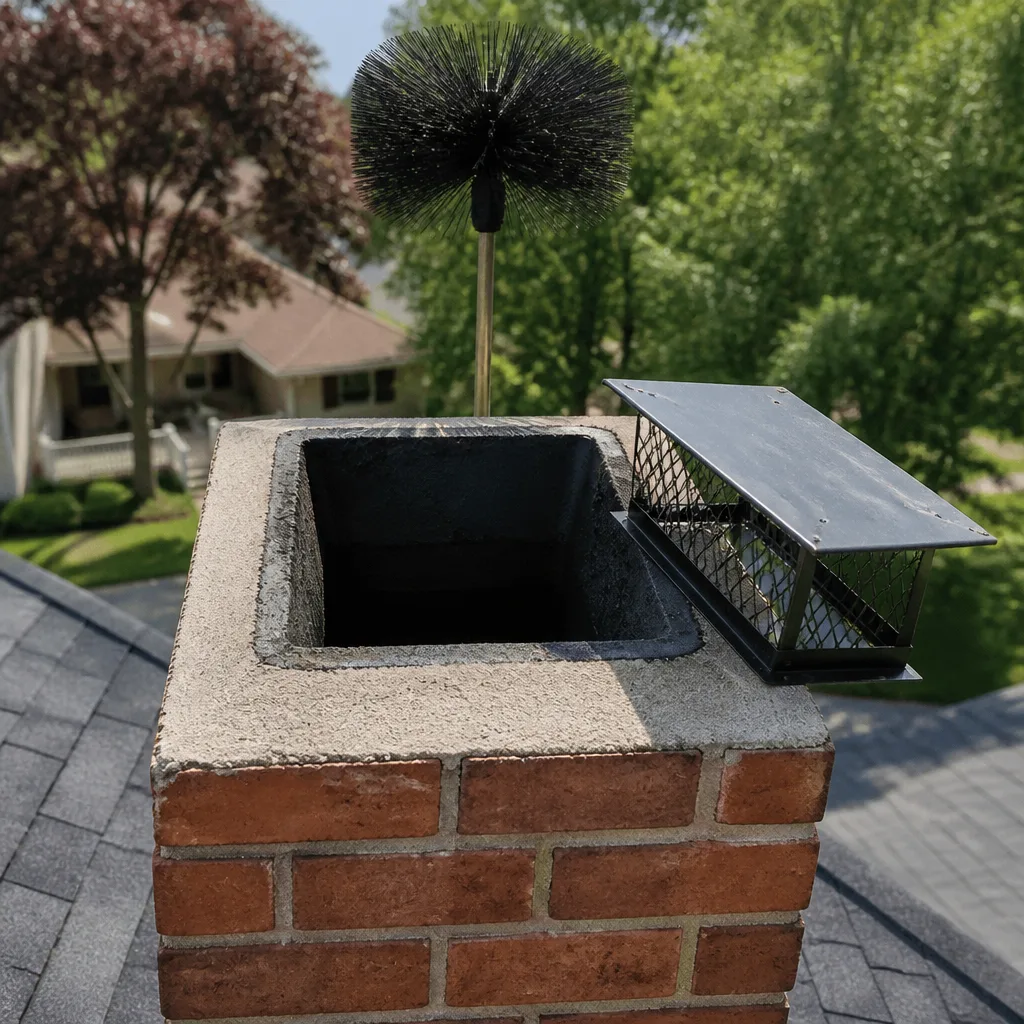 Sweep & inspection
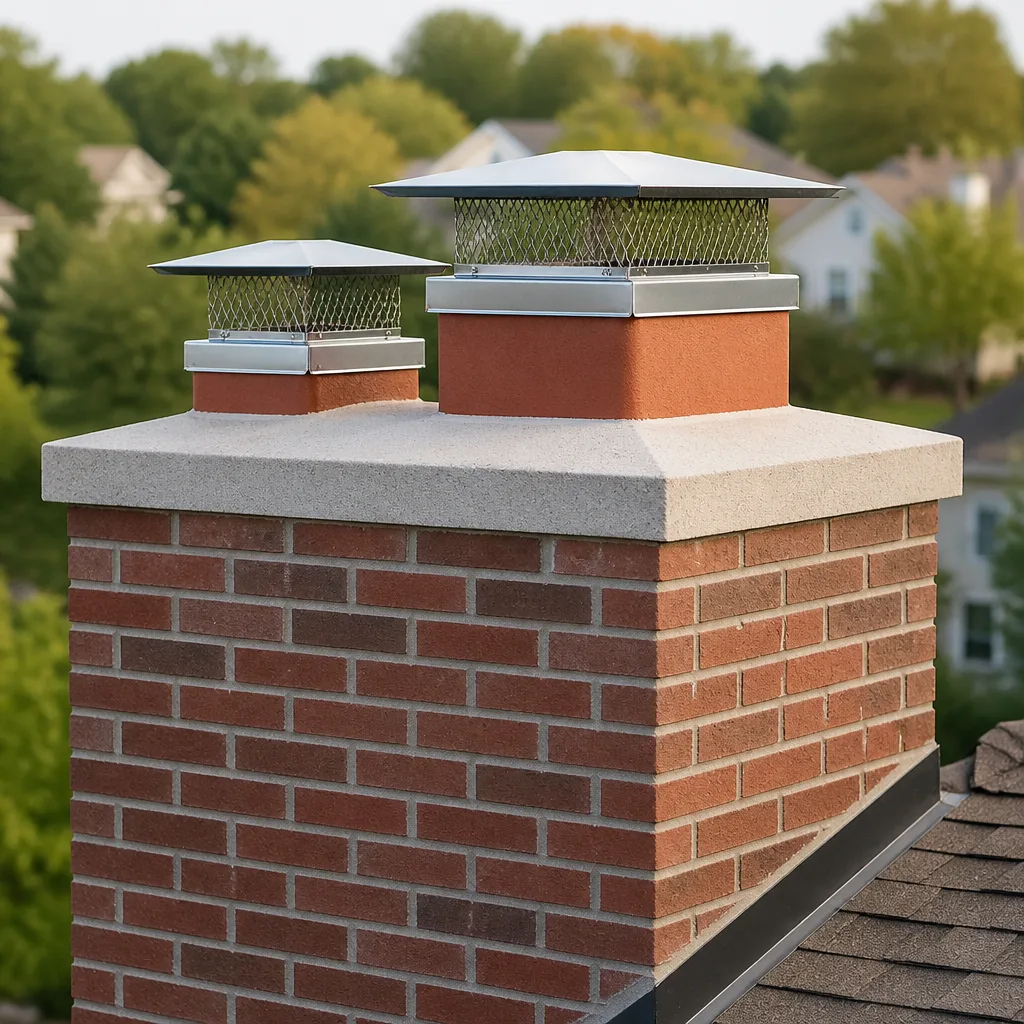 Caps & crowns
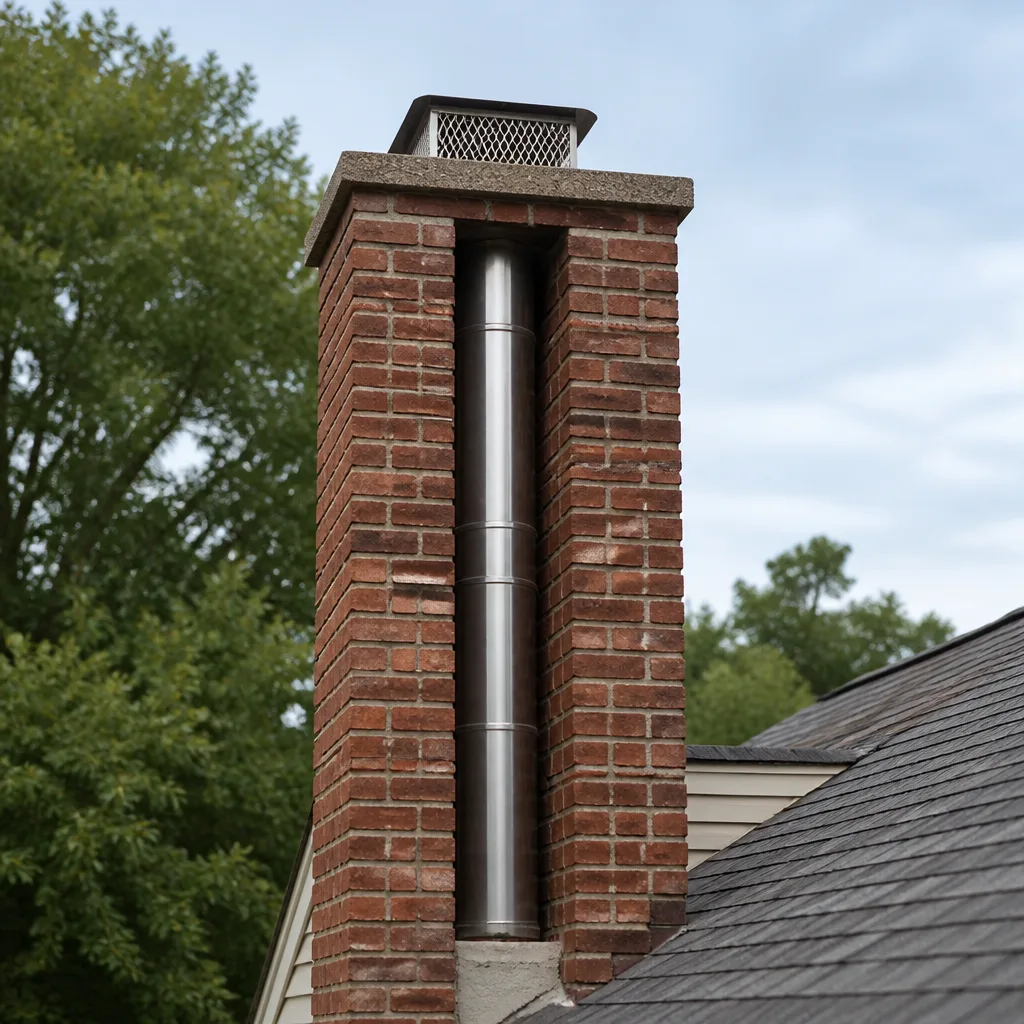 Flue relining
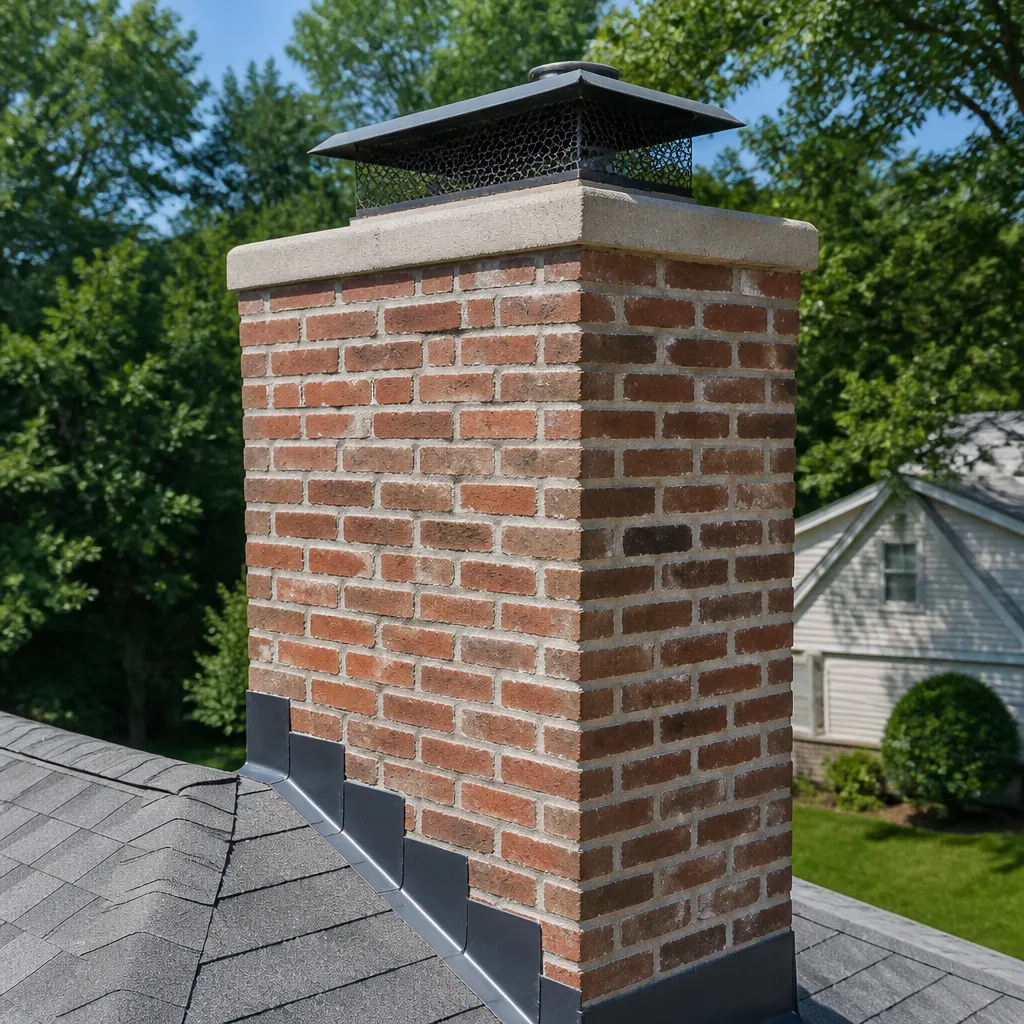 Masonry repair
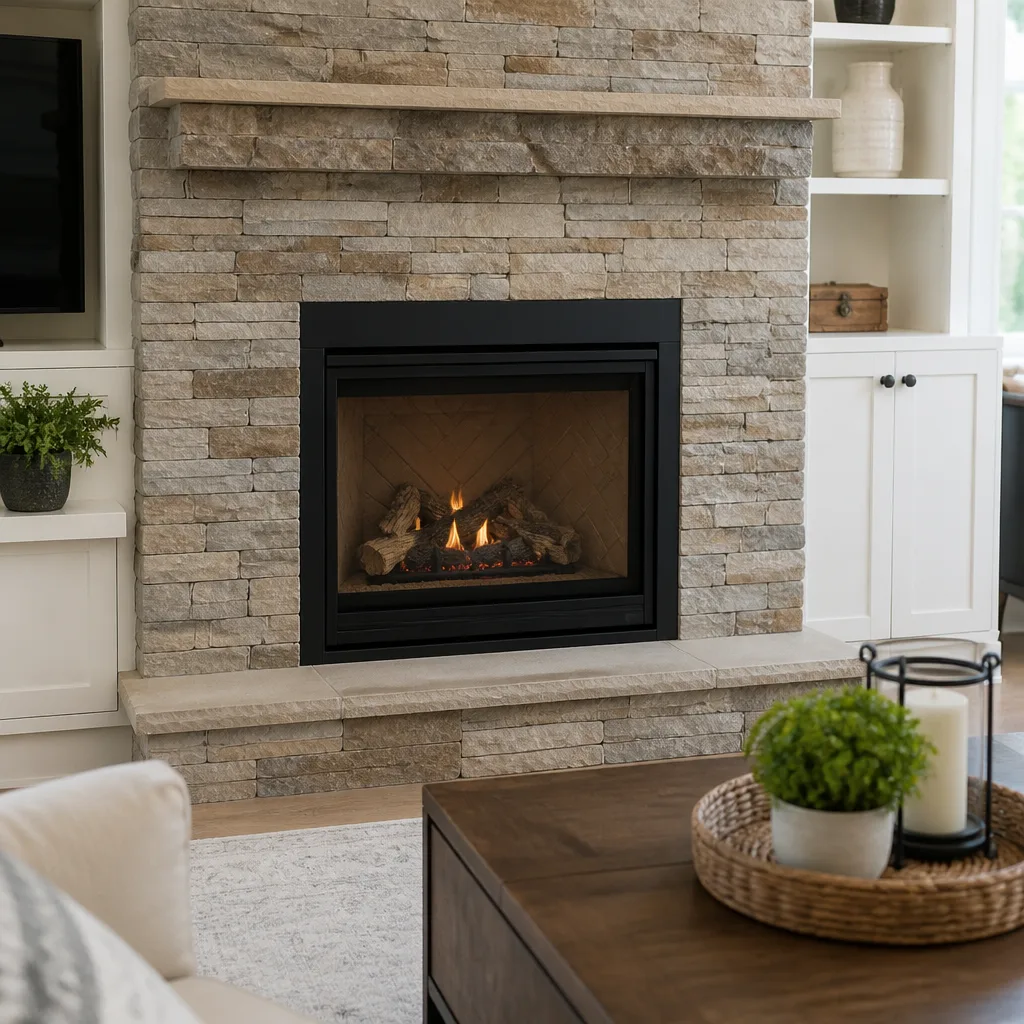 Gas fireplace service
Level 1 sweep and inspection to the NFPA 211 annual standard - flue, crown, cap, and flashing checked and photographed
Chimney sweep logs do not sweep chimneys. They loosen some creosote - which then falls where a brush and vacuum still have to collect it.
Chimney Cleaning Warning Signs: A Federal Way Homeowner’s Reference Guide
A strong campfire smell in your living room on a cold day isn’t nostalgia. It’s a pressure reversal event, and it means your chimney system is pulling combustion byproducts into your home rather than exhausting them. Most chimney problems announce themselves well before they become expensive, but the signals get misread as normal fireplace behavior every winter. A little smoke when you light up, a faint odor when it rains, a dull sound when the wind blows – homeowners file all of it under “that’s just how fireplaces are.” It isn’t. In this guide, we’ll decode the specific sights, smells, sounds, and smoke patterns that tell you what’s actually happening inside your flue in Federal Way, and which ones mean you should stop burning until someone looks at it.
Quick Answer
The most reliable chimney cleaning warning signs are: a strong smoky or creosote smell inside the house, smoke rolling back into the room instead of up the flue, a fire that’s noticeably harder to start than it used to be, black or flaky buildup visible above the damper, white staining on exterior masonry, and any scratching or flapping sound coming from the flue. Any one of these suggests you’re due for a professional evaluation. Two or more together usually mean deposits, a draft failure, or a structural issue – and the difference matters because each has a different fix.
Styles & brands we work with
- Sweep & inspection
- Caps & crowns
- Flue relining
- Masonry repair
- Gas fireplace service
Table of Contents
- The Three Problems Behind Most Warning Signs
- What Chimney Smells Actually Tell You
- Smoke Rollout and Slow-Starting Fires
- White Staining, Moss, and Exterior Masonry Clues
- Sounds From the Flue: Animals, Debris, or Thermal Cracking
- Creosote Stages and What Each One Means
- Federal Way Seasonal Patterns That Accelerate Buildup
- When to Call a Professional
The Three Problems Behind Most Warning Signs
Almost every chimney symptom a homeowner notices traces back to one of three root causes: a draft problem, a deposit problem, or a structural problem. They overlap, and one can cause another, but they have distinct signatures. Getting the category right is the whole game – it’s what separates a $200 sweep from a liner replacement, and it’s why vague diagnoses like “your chimney needs work” are useless.
A draft problem is about airflow. The chimney isn’t pulling air up and out the way it should. Symptoms include smoke rolling into the room during lighting, a fire that struggles to catch, and cold air pushing down when the fireplace is off. A deposit problem is about creosote or soot building up on the flue walls until the passage narrows. Symptoms include a diminishing fire, a heavy smoky smell even when the fireplace is cold, and visible black crust above the damper. A structural problem is about the chimney itself – cracked flue tiles, a deteriorated liner, a failing crown, or missing mortar. Symptoms include white staining on the exterior, debris falling into the firebox, and smoke that appears in rooms the fireplace doesn’t serve.
Here’s the part that trips people up: these three problems can look identical from the living room. A cold flue and a creosote blockage both produce smoke rollout. A cracked liner and a bird nest both produce strange sounds. That’s exactly why a camera inspection matters. Looking up the flue from the firebox with a flashlight won’t tell you whether the smoke coming into the room is airflow-related or structural. Federal Way homes run the full range of chimney construction, and the only way to know for certain is to look at the flue with a proper camera.
When we diagnose a chimney, we’re answering three questions in order: is the flue clear, is the flue intact, and is the flue drafting correctly. If the answer to the first is no, we handle cleaning. If the second is no, we look at relining options. If the third is no, we look at airflow factors including flue sizing, cap geometry, and how the chimney interacts with the house. One call covers your entire chimney – from the firebox to the crown – and that’s the only way to get an accurate answer.
What Chimney Smells Actually Tell You
Chimney smell is the warning sign homeowners notice first and understand least. A faint campfire smell when the fireplace is cold is one thing. A strong creosote smell that gets worse in humid weather is another. And a smell of exhaust inside the house when the fireplace is running is a separate category entirely – that last one is a combustion byproduct problem, not a cosmetic annoyance. Each has a specific meaning.
Here’s how to decode what you’re smelling:
- Smoky, campfire-like odor when the fireplace is cold: this is usually creosote off-gassing. Creosote is a tar-like residue, and it releases odor as temperature and humidity shift. The stronger it gets, the more buildup is present.
- Sharp, acrid smell on cold, damp days: this is a pressure reversal. Cold air is sinking down the flue and pushing old combustion byproducts into the living space. It usually resolves once the flue warms up, but it’s a signal your flue is under-drafted.
- Exhaust or gas-like smell during burning: stop using the fireplace and get it inspected. This is combustion gas finding its way into the house, and it’s not something to troubleshoot by opening a window.
- Musty, damp, or earthy smell: water is getting in somewhere. It could be the crown, the flashing, or a failed cap. This is a water infiltration problem, not a cleaning problem.
- Dead animal odor: something has found its way into the flue or onto the smoke shelf. Cleaning is urgent, but so is identifying how it got in, because the fix is usually a cap.
Federal Way sits in a marine-influenced climate with a lot of damp, gray days from fall through spring. That means creosote odor is more noticeable here than it would be in a dry climate, because the humidity keeps the residue soft and volatile. It also means water intrusion shows up faster. If you’re smelling smoke in the house even when the fireplace is cold, a chimney sweep with a camera inspection will tell you whether it’s buildup, draft, or moisture. It’s a quick answer once someone actually looks.
Smoke Rollout and Slow-Starting Fires
Smoke rolling into the room when you light a fire is one of the most misdiagnosed symptoms in chimney care. Homeowners assume it means the chimney is dirty. Most of the time, it doesn’t. Smoke rollout during the first several minutes of a fire is usually a cold flue – the chimney is full of cold, dense air that’s heavier than the hot smoke trying to rise through it. Until the flue warms up, there’s nowhere for the smoke to go but into the room.
That’s why the standard first move on a cold day is to pre-warm the flue, not to immediately schedule a sweep. If pre-warming fixes the rollout, the chimney isn’t dirty – the flue just needs to come up to temperature. If smoke still rolls into the room after ten or fifteen minutes of burning, the picture changes. Now you’re looking at one of these:
- Obstruction: a nest, a collapsed flue tile, or heavy creosote blocking the passage.
- Undersized or incorrectly sized flue: the chimney is too large or too small for the firebox opening, so it can’t establish proper draft.
- House pressure imbalance: a tightly sealed home, an exhausting bathroom fan, or a kitchen range hood can pull air down the chimney. Federal Way’s newer construction, with tight envelopes and mechanical ventilation, creates this problem more often than older homes.
- Cap or crown issue: a cap installed at the wrong height or with inadequate openings can choke the flue.
- Deteriorated flue liner: a cracked or missing liner changes the shape and smoothness of the flue, and draft suffers.
Slow-starting fires are the same story from the other direction. A fire that used to catch easily and now smolders is telling you something changed – and in most cases the change is either obstruction or draft. What it is not telling you is that you need a new chimney. In our experience, slow-starting fires often turn out to be resolvable with cleaning, a cap adjustment, or a smaller flue liner sized correctly for the firebox.
Here’s the takeaway: smoke rollout on lighting is usually a cold flue. Smoke rollout that persists past the warm-up period is a problem. And smoke that appears in a room the fireplace doesn’t serve is a serious problem – that’s a sign of a cracked flue or a backdraft pulling exhaust into the house, and the fireplace should stay off until someone inspects it.
White Staining, Moss, and Exterior Masonry Clues
Some of the most useful warning signs are on the outside of the chimney, where homeowners rarely look. White powdery staining on brick or mortar – what masons call efflorescence – is the residue left behind when water moves through masonry and evaporates at the surface. It’s not cosmetic. It’s a map of where water has been traveling through the chimney, and it usually points toward the crown, the flashing, or the mortar joints as the entry point.
Efflorescence tells you water is already inside the masonry. The urgency depends on where it is and how long it’s been there:
- Light, isolated staining near the top: water is entering at the crown or cap. This is often early, and a crown repair or cap replacement can stop it before it spreads. Not immediate, but don’t leave it through another wet season.
- Staining across the upper third of the chimney: water is moving through compromised mortar joints or a failed crown. This is a crown and mortar repair, and it should be tackled before winter.
- Staining low on the chimney or on the adjacent wall: water may be entering at the flashing where the chimney meets the roof. This can migrate into the attic and framing, and it needs attention quickly.
- Spalling brick or crumbling mortar: freeze-thaw cycles are already breaking down the masonry. This is a structural repair, not a weatherproofing one.
Federal Way’s climate runs wet and gray from October into May, with occasional hard freezes. That combination is hard on masonry. Water soaks into brick and mortar during the wet stretch, then expands when it freezes, and the surface begins to flake and crumble. Left alone for a few seasons, that damage moves from cosmetic to structural.
Then there’s moss. Heavy moss growth on the chimney crown is one of the most reliable early indicators we look for in Federal Way. Moss needs constant moisture to establish, and the crown is where water pools first when the crown has begun to crack or lose its slope. A green crown in this climate usually means the crown is holding water – which means mortar underneath is already being exploited. Caps and crowns are where a lot of water damage starts, and we supply and install purpose-built chimney crown and cap products from Gelco and Copperfield rather than generic building materials, because improvised caps tend to fail in exactly the same way the original one did.
Sounds From the Flue: Animals, Debris, or Thermal Cracking
Noises coming from a chimney are difficult to interpret because two completely different problems produce similar sounds. Scratching, fluttering, and chirping point toward animal or bird activity. Ticking, popping, and sharp cracking during heating or cooling point toward thermal expansion in the flue or firebox. Confusing the two is expensive because it leads to the wrong scope of work – a homeowner who hears ticking and calls for animal removal is going to be told their liner is failing, and a homeowner who hears scratching and calls for structural work is going to be told a bird is in there. Neither is wrong in the abstract; both are wrong for the specific call.
Here’s how the sounds break down:
- Scratching, scrambling, or repeated soft thumps: an animal is in the flue or on the smoke shelf. Squirrels and birds are the usual culprits in Federal Way, and the fix is removal plus a properly fitted cap so it doesn’t recur.
- Fluttering or flapping, often intermittent: a bird or a large insect is trapped. Sometimes the sound is debris getting caught in the draft.
- Buzzing or humming in spring and early summer: a nest is being built inside the flue or on the cap. This is common when caps are missing or screens are damaged.
- Snapping, ticking, or popping during burn and cool-down: thermal expansion. Metal liners, flue tiles, and fireboxes all expand and contract. Occasional light ticking is normal. Persistent loud cracking during a burn cycle can mean a cracked flue tile or a shifting liner.
- A dull thud or a sudden crash: something has fallen into the flue. This can be masonry, a bird, or debris from the crown. Stop burning until it’s inspected.
- Whistling on windy days: the flue or cap is creating a pressure vortex. Not dangerous, but it usually indicates a cap geometry issue or a flue that’s undersized for the chimney.
If you’re not sure which category a sound falls into, don’t guess. A camera inspection answers the question in minutes. We keep that inspection as the foundation of every diagnosis, and it’s why we can tell you what’s actually happening in your flue rather than what it might be.
Creosote Stages and What Each One Means
Creosote is the byproduct of incomplete combustion, and it builds up in stages. Understanding the stages helps you know how urgently cleaning is needed. Not every level of creosote is equally dangerous, and not every level requires the same response.
Stage 1 creosote is a light, sooty, flaky dust that brushes off easily. This is what a properly burning fireplace produces. A routine sweep handles it.
Stage 2 creosote is a crusty, hardened layer that clings to the flue walls. It doesn’t brush off easily and needs a proper rotary cleaning with the right tooling. At this stage, a fire can ignite the deposit if the flue gets hot enough. This is the stage where a chimney fire becomes genuinely possible, and where a lot of homeowners don’t realize they’re sitting on a risk.
Stage 3 creosote is a glazed, tar-like coating that essentially bonds to the flue. It’s the hardest to remove, and it doesn’t clear with standard brushing. A chimney at stage 3 has a significantly higher fire risk, and cleaning it requires specialized methods. In some cases a professional will recommend relining rather than cleaning, because the glazing has compromised the flue surface.
The reason stage 2 and 3 matter is simple: a chimney fire fed by creosote can reach temperatures high enough to crack flue tiles and ignite framing materials. That’s not scare language – it’s the reason the fire code expects annual inspections for fireplaces in regular use. You can’t see stage 2 and stage 3 buildup from the living room. You can sometimes see it as black, glossy, or crusty material above the damper if you shine a flashlight up there when the fireplace is cold and the damper is open, but the flue is too long and too irregular for a meaningful look from below. If you see anything textured or shiny above the damper, that’s already a sign deposits are significant enough to warrant a professional look.
If the flue has been damaged by a creosote fire or by years of glazed buildup, HeatShield is the industry standard for liner resurfacing – it extends the life of the chimney by repairing the existing flue rather than replacing it. Where the flue needs full relining, DuraFlex flexible liner systems meet national building code requirements and can fit the complex flue configurations that off-the-shelf liners can’t.
Federal Way Seasonal Patterns That Accelerate Buildup
Buildup doesn’t happen at a steady rate. It follows the way you burn, and in Federal Way the burn pattern is shaped by the climate. Fall arrives wet and cool, so the fireplace comes on early, but a lot of those early fires are short, cool, and slow to establish – which is exactly the burn condition that produces the most creosote. Winter settles into a long run of cool, damp days where the fireplace runs frequently, often with damp wood, which produces more smoke and more deposit. Spring is a transitional stretch where the fireplace burns intermittently, and the cool-down/heat-up cycle is hard on masonry joints.
The result is that buildup accumulates in a way that’s uneven and fast. A Federal Way homeowner who burns regularly through the fall and winter can reach stage 2 creosote in a single season if the wood is green or the flue is under-drafted. The specific seasonal warning signs to watch for:
- Fall: smoke rollout at the first several fires of the year – usually cold flue, but check whether it resolves after warm-up.
- Mid-winter: the “sweet” smoky smell that used to be faint is now strong even when the fireplace is off. Sign of significant buildup.
- Late winter: fires are noticeably harder to start and produce more smoke. This is when creosote deposit is often at its peak.
- Spring and early summer: exterior masonry staining and moss become more visible as the wet season wraps up. This is when water damage is easiest to spot.
- Late summer: animals seek out chimneys before the burn season. Late summer is the best time to schedule a sweep, because you’ll know your flue is clear, intact, and capped before you light the first fire of fall.
The scheduling implication is simple: the quiet stretch before the burn season is the best time to get the chimney evaluated. If your flue needs chimney repair, you have a good window to get it done. If you wait until the first cold snap, you’ll be one of many people trying to get on a schedule at the same moment.
Warning Signs We See That Homeowners Often Miss
Beyond the obvious signals, there are some lower-profile warning signs that homeowners rarely notice until the chimney is far along. These are the ones worth walking to the outside of the house to check.
The first is a chimney cap that’s missing, loose, or damaged. A cap does two jobs: it keeps water out of the flue, and it keeps animals out. A missing or damaged cap in Federal Way is an invitation for both. It’s one of the easiest problems to fix and one of the simplest things to overlook, since most homeowners never look at their chimney from above. A cap that’s tilted, dented, or attached with improvised strapping has usually already allowed water in.
The second is a crown that’s cracked across the top or that has lost its slope. The crown is the concrete or mortar cap on top of the chimney, and it’s supposed to shed water away from the flue opening. When it cracks, the water has a direct path into the masonry below. This is the leading cause of the efflorescence and moss issues described earlier, and it’s why crown repair is one of the highest-value maintenance jobs on a chimney. We install caps and crowns from Gelco and Copperfield because those products are designed specifically for the job – they hold up to wet climates and freeze-thaw cycles better than generic mortar and hardware-store caps.
The third is a firebox that’s showing cracks in the brick or gaps in the mortar. Small hairline cracks are common and don’t always need a repair, but a cracked firebox brick can allow heat to reach the structure behind it. If you can see a crack wider than the edge of a coin, it’s worth having it looked at. Fireplace repair covers more than the firebox, but the firebox is where the safety concerns start.
The fourth is smoke staining on the exterior of the chimney near the top – dark streaks that won’t wash off. This usually means smoke has been venting out of a joint or crack rather than out the flue opening, and it points to a structural issue in the flue or crown. It’s a sign you don’t want to ignore for a season.
All four of these are visible without climbing onto the roof, using binoculars from the ground, or watching during a burn. They’re worth checking when you check the rest of the house’s exterior in fall and spring.
Draft Problem or Dirty Chimney? How to Tell the Difference
This is the single most useful diagnostic question a homeowner can answer before calling anyone, because it’s the question that determines what kind of appointment you need. A dirty chimney needs a sweep. A drafting chimney needs a diagnosis. They can overlap, but the starting point is different.
Here’s the difference in plain terms. If your chimney is dirty, the fire will burn and smoke will rise, but the fire will be sluggish, and you’ll see buildup above the damper. If your chimney is drafting poorly, the fire will struggle to draw smoke up at all, and you’ll see smoke roll into the room, smell smoke in the house, or notice the fire dying back without obvious cause.
The simplest test is timing. Light a fire the way you normally do. If the smoke rolls into the room for a minute or two and then the fire establishes and burns cleanly, the flue is fine and was cold. If the smoke keeps rolling in for ten or fifteen minutes, the flue isn’t establishing draft, and that needs attention. If smoke appears the moment the fire starts but goes away once you open a window, you have a house pressure problem, not a chimney problem – the chimney is fighting the house for air.
The trap is assuming every draft problem means “dirty chimney” and every dirty chimney means “draft problem.” They’re different problems with different fixes. A camera inspection makes the answer clear before anyone talks about what work is needed. If the flue is clean and the draft is still poor, we look at flue sizing, cap geometry, and how your house pressurizes. If the flue is dirty and the draft is fine, cleaning solves it. If the flue is dirty and the draft is poor, cleaning comes first, then a re-check.
The safe default is: when in doubt, get it inspected. The estimate is free, and it saves the cost of guessing wrong.
Common Mistakes to Avoid
- Assuming smoke rollout means “needs cleaning.” It usually means a cold flue. Check whether it resolves after ten or fifteen minutes of burning before you assume the worst. If it doesn’t resolve, get it looked at.
- Ignoring a smoky smell when the fireplace is off. That smell is creosote off-gassing, and it’s the most reliable early sign of significant buildup. It doesn’t go away on its own.
- Confusing white staining with normal aging. Efflorescence means water is moving through the masonry. In Federal Way’s wet climate, ignoring it for a couple of seasons turns a crown repair into a much larger masonry job.
- Confusing thermal cracking with animal noises. Ticking during a burn is expansion. Scratching when the fireplace is cold is an animal. Identifying which one you’re hearing determines which call you make.
- Assuming a cap that looks fine is fine. Caps fail at the fasteners and at the flashing line, not on the visible surface. Have it checked from the roof, not from the ground.
- Skipping the crown because the flue looks clear. The crown is where most water damage starts. If your crown is cracked, stained with moss, or missing slope, that top-of-chimney repair prevents more expensive damage below.
- Waiting until the first cold week of fall to schedule a sweep. That’s the peak demand window. Late summer is the better time, and any needed chimney repair can be handled before you need to burn.
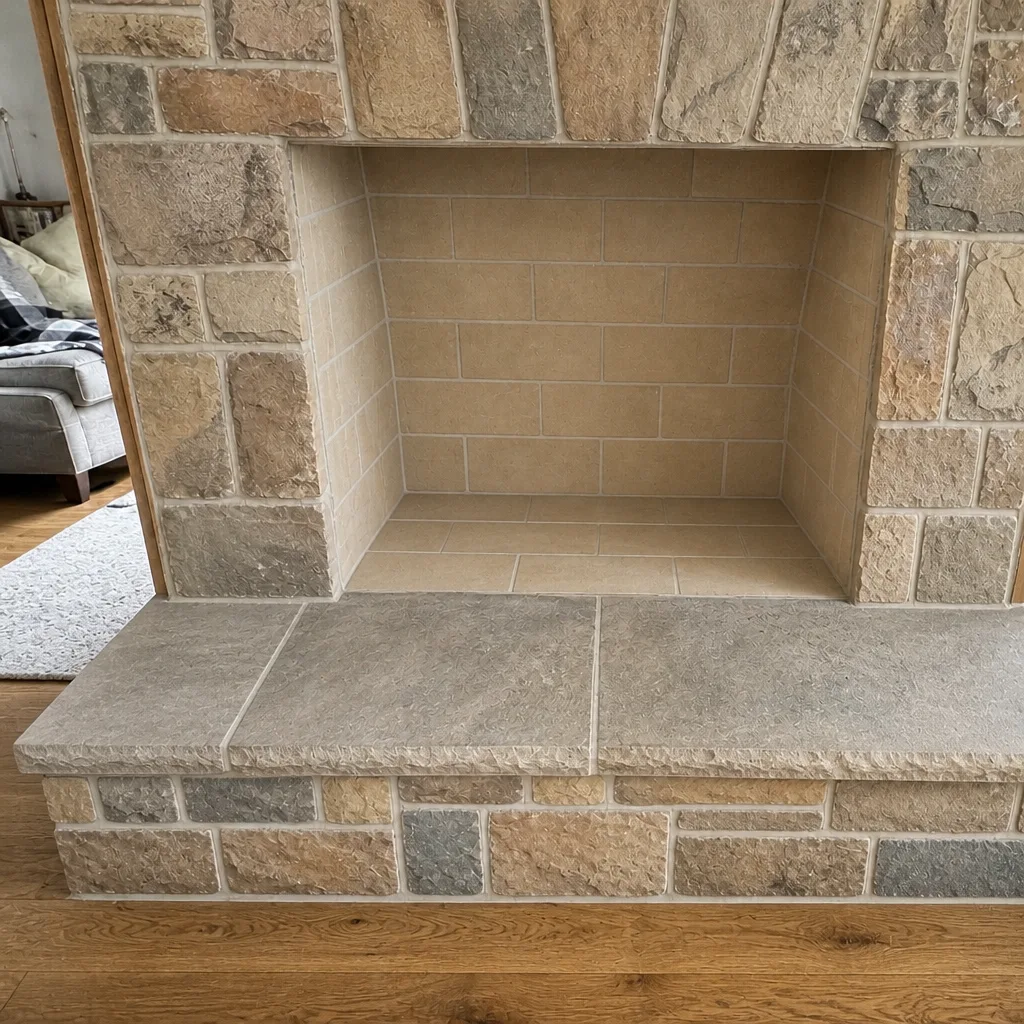
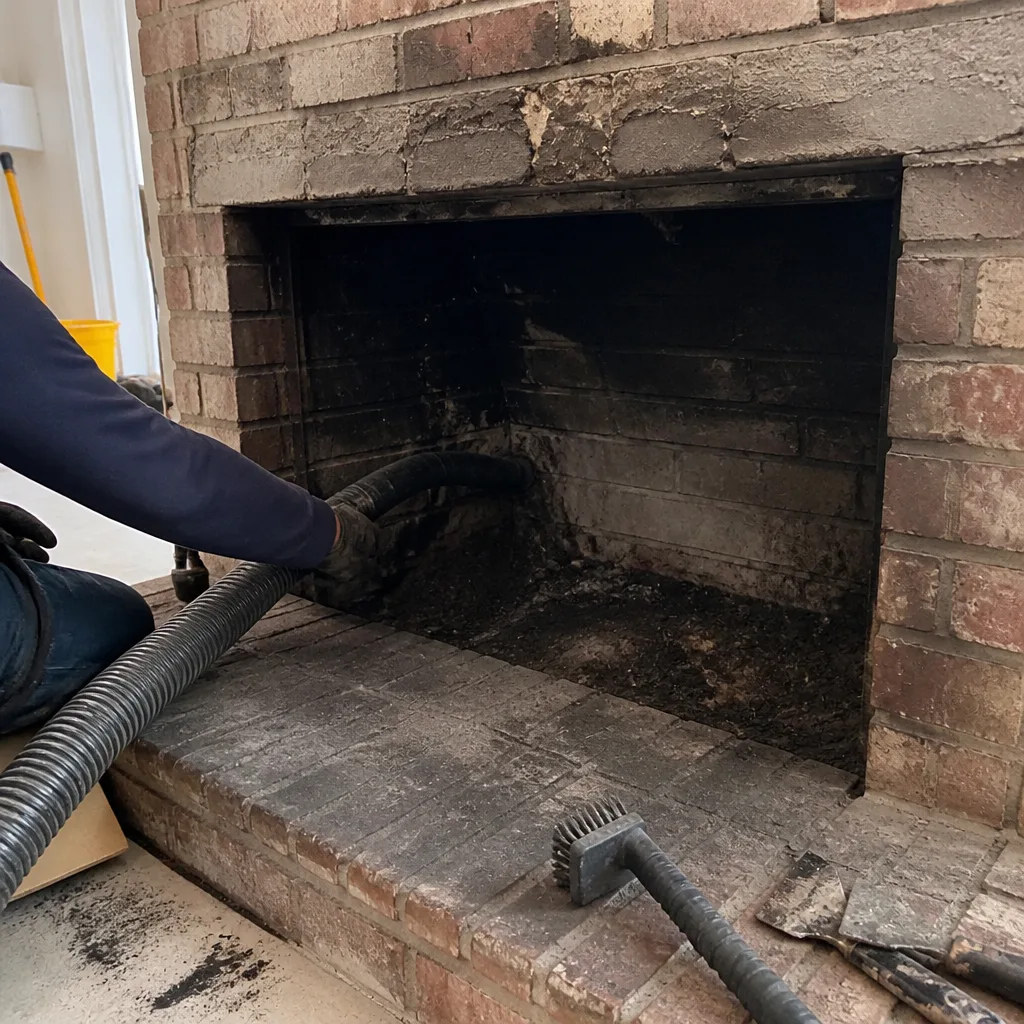
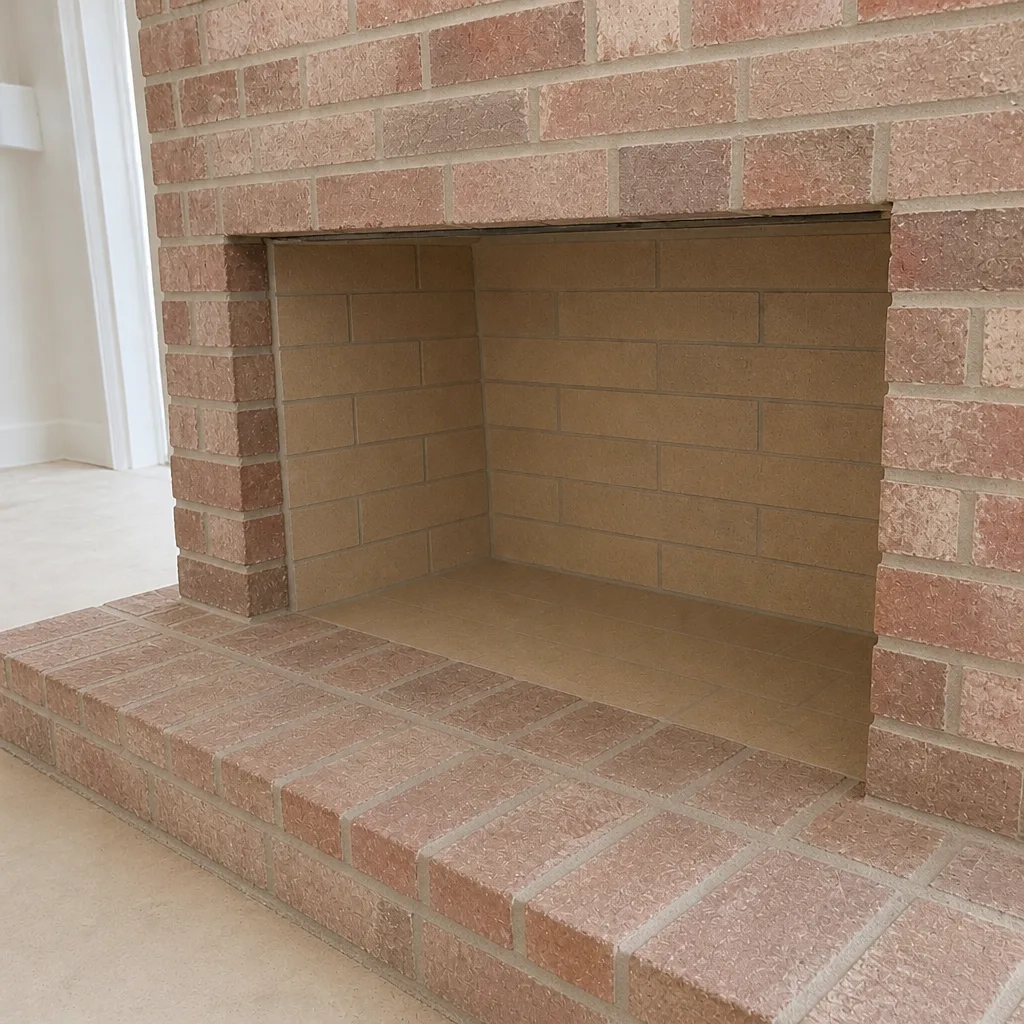
See the difference
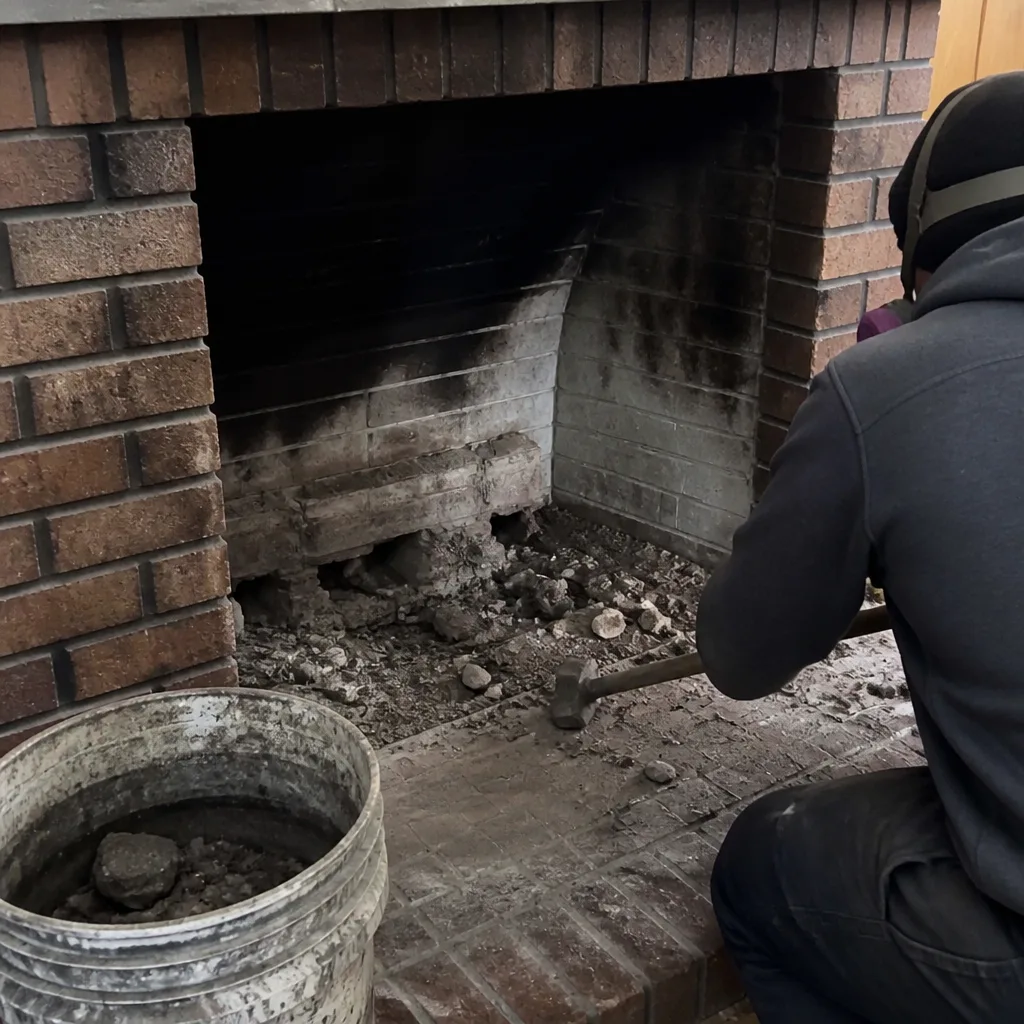 Before
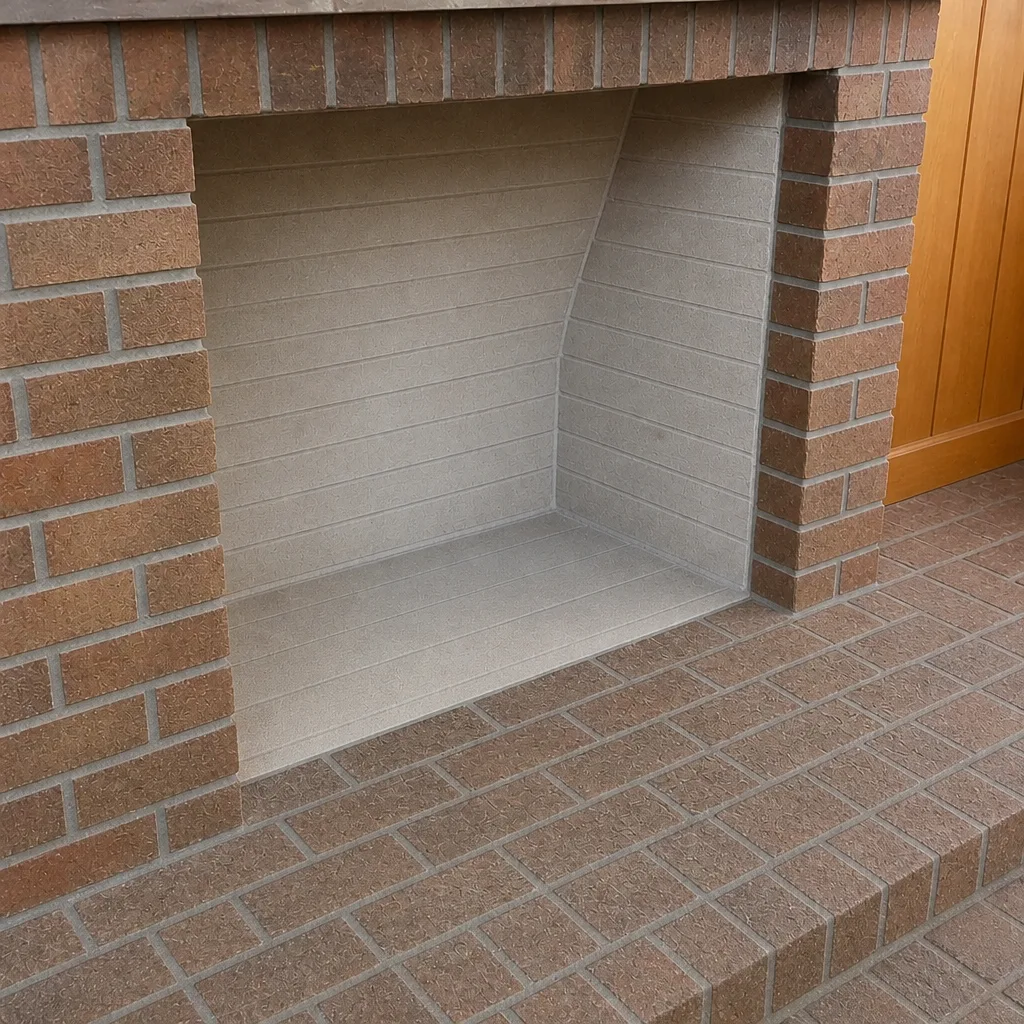 After
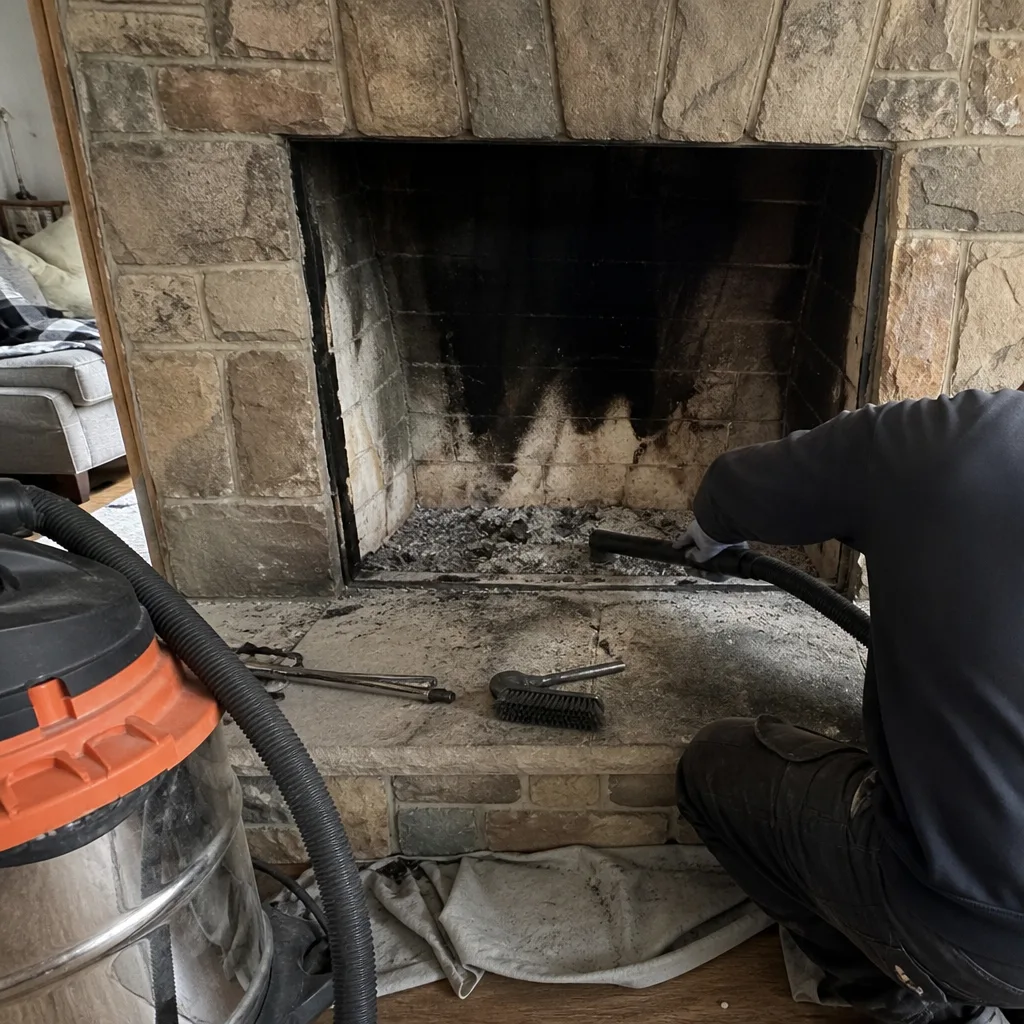 Before
 After
 Before
 After
When to Call a Professional
Some warning signs are cosmetic. Others are safety-critical. Call a trained professional if you notice any of the following: smoke that appears in a room the fireplace doesn’t serve, a persistent exhaust smell inside the house during a burn, visible cracks in the firebox brick wider than a coin edge, white staining or moss on the chimney crown, any debris falling into the firebox, or a fire that never establishes draft no matter how long you wait. Chimney work involves heights, combustion byproducts, and in some cases structural repair – it isn’t a task for a ladder and a shop vacuum, and the wrong scope of work can leave a dangerous condition in place. Federal Way Chimney Sweep Pros provides the full range of chimney work – cleaning, inspection, fireplace and chimney repair, and cap and crown installation – with trade-grade materials from brands like DuraFlex and HeatShield. If you’re not sure whether what you’re seeing is a warning sign, call us and describe it. We answer 24/7.
Frequently Asked Questions
A strong smoky or creosote smell inside the house when the fireplace is cold, combined with visible black or crusty buildup above the damper, is the most reliable combination. The smell indicates buildup is present and volatile. The visible buildup confirms it. If both are present, book a sweep. If only one is present, a camera inspection will tell you whether the buildup is significant enough to act on. Call (844) 949-4711 for an exact quote – estimates are free.
Smoke rolling into the room during the first several minutes is usually a cold flue, not a dirty chimney. The chimney holds cold dense air that has to be pushed out before hot smoke can rise. Pre-warming the flue often resolves it. If smoke continues past fifteen minutes, or if it happens every time regardless of temperature, there’s a draft or obstruction issue worth investigating. Call (844) 949-4711 for an exact quote – estimates are free.
That’s efflorescence, and it means water has been moving through the masonry and evaporating at the surface. It’s not cosmetic – it tells you water is entering the chimney somewhere, usually at the crown, cap, or flashing line. The repair timeline depends on where the water is getting in. A crown repair may be enough if the staining is confined to the top. Call (844) 949-4711 for an exact quote – estimates are free.
Most chimneys should be inspected annually, and swept whenever the inspection shows buildup worth removing. In Federal Way’s wet climate, heavy fall and winter use can reach significant creosote buildup within a single season. A good rule is an evaluation every fall before the burn season, with a sweep if the inspection calls for it. Call (844) 949-4711 for an exact quote – estimates are free.
Yes. Moss on the crown means the crown is holding water, which means it’s likely cracked, lost its slope, or both. Moss takes seasons to establish, so by the time it’s obvious, water has already been entering the masonry below. In Federal Way’s wet climate, that damage moves faster than it does in dry regions. Call (844) 949-4711 for an exact quote – estimates are free.
Creosote continues to build. Stage 1 buildup advances toward stage 2, which is where a chimney fire becomes possible, and stage 3 glazing becomes harder and more expensive to remove. The chimney itself can also deteriorate – water damage to the crown and mortar doesn’t pause when you skip a season. Skipping one year is usually recoverable; skipping several is when small repair jobs become large ones. Call (844) 949-4711 for an exact quote – estimates are free.
The Bottom Line
Most chimney problems announce themselves before they become expensive, but the signals look alike from the living room. Smoke rollout, persistent creosote smell, white exterior staining, rhythmic sounds from the flue, and moss on the crown are all pointing to specific underlying problems – and the fix is different for each. If you learn to tell draft problems from deposit problems from structural problems, you’ll make better decisions about when to schedule a sweep and when to schedule a diagnosis. In Federal Way, the wet season accelerates masonry damage and the burn season accelerates buildup. Schedule the evaluation before the first cold snap, not after. And if something doesn’t look right, ask.
Call (844) 949-4711 for a free estimate. We answer 24/7. Fast dispatch from 7am to 7pm, Sunday through Friday. Federal Way Chimney Sweep Pros handles sweep, inspection, fireplace repair, chimney repair, and cap and crown installation with trade-grade materials from brands like Gelco, Copperfield, DuraFlex, and HeatShield. Our technicians have up to 12 years of experience, and we identify the real problem, then fix it with the right materials. Visit Federal Way Chimney Sweep Pros to learn more about how we approach chimney work in Federal Way.
Written by the team at Federal Way Chimney Sweep Pros.