
Last updated November 24, 2026
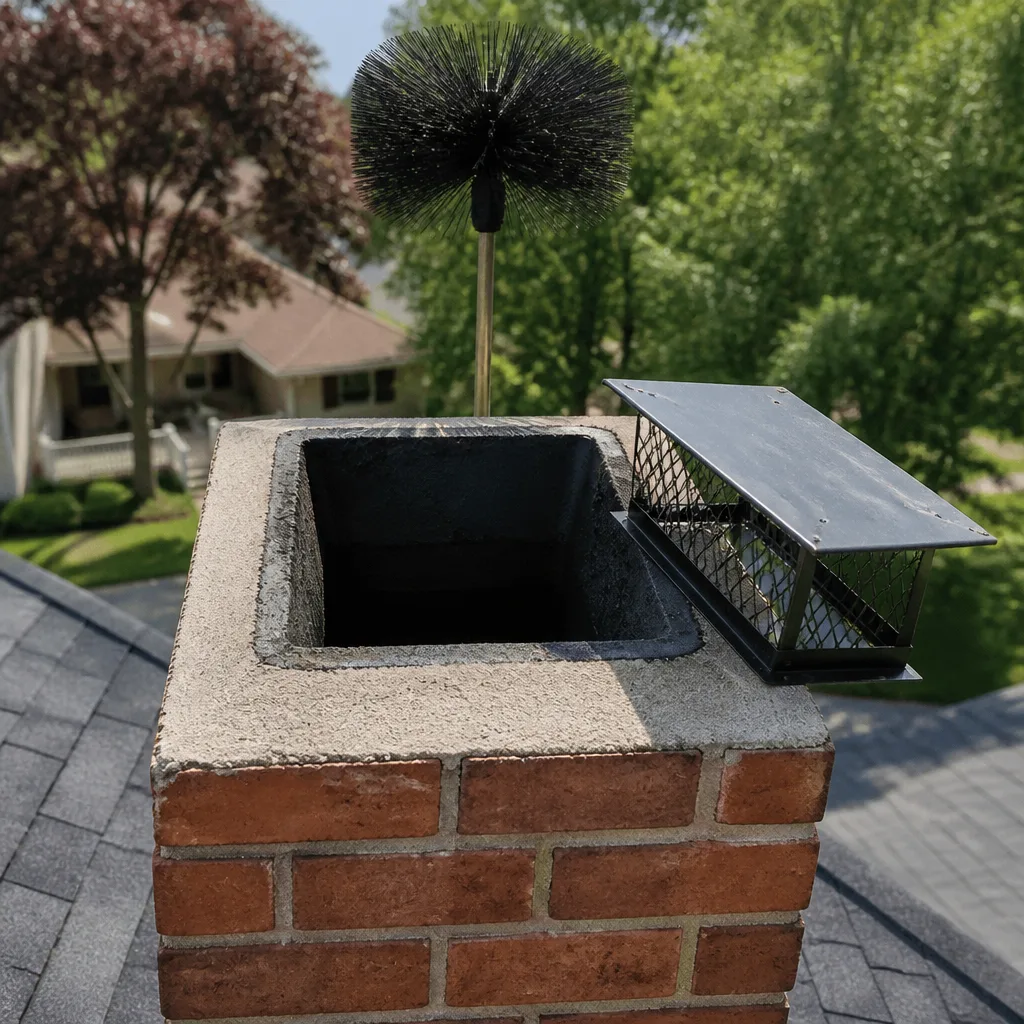 Sweep & inspection
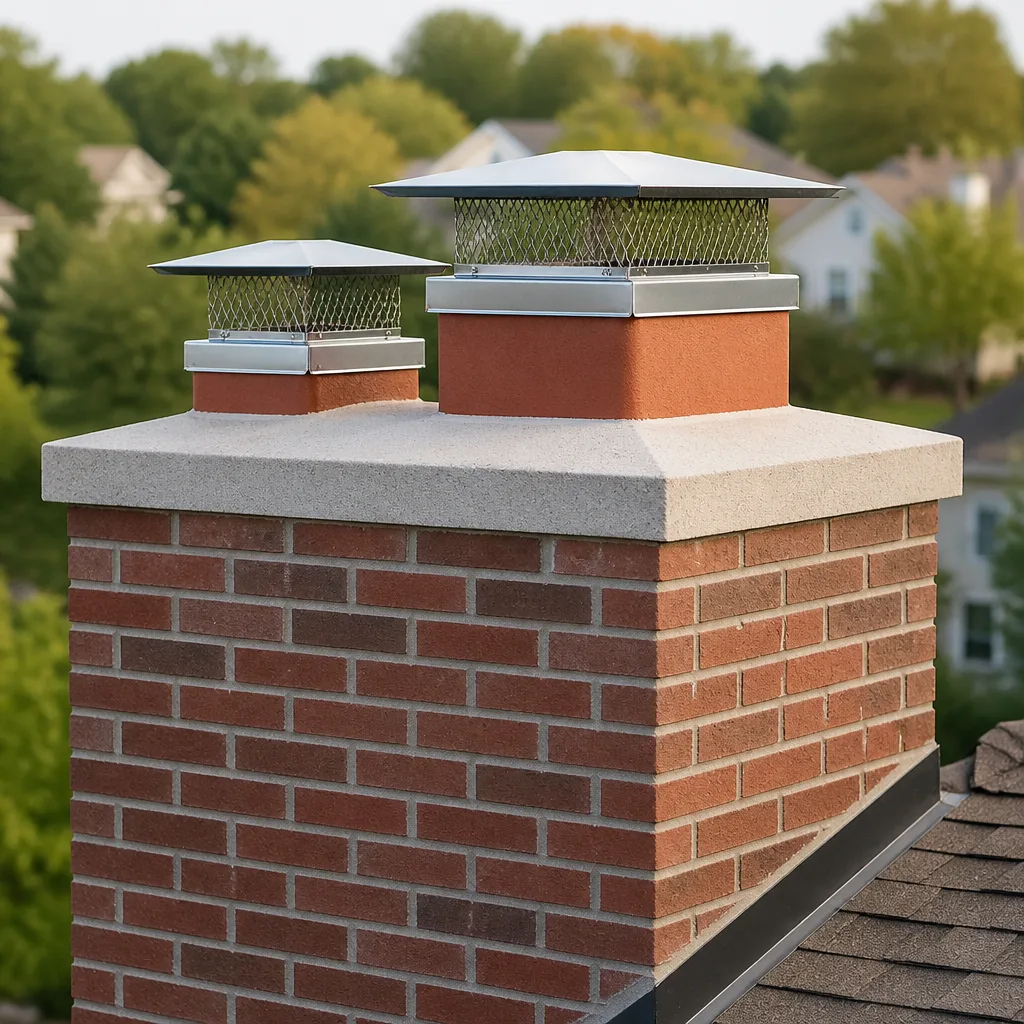 Caps & crowns
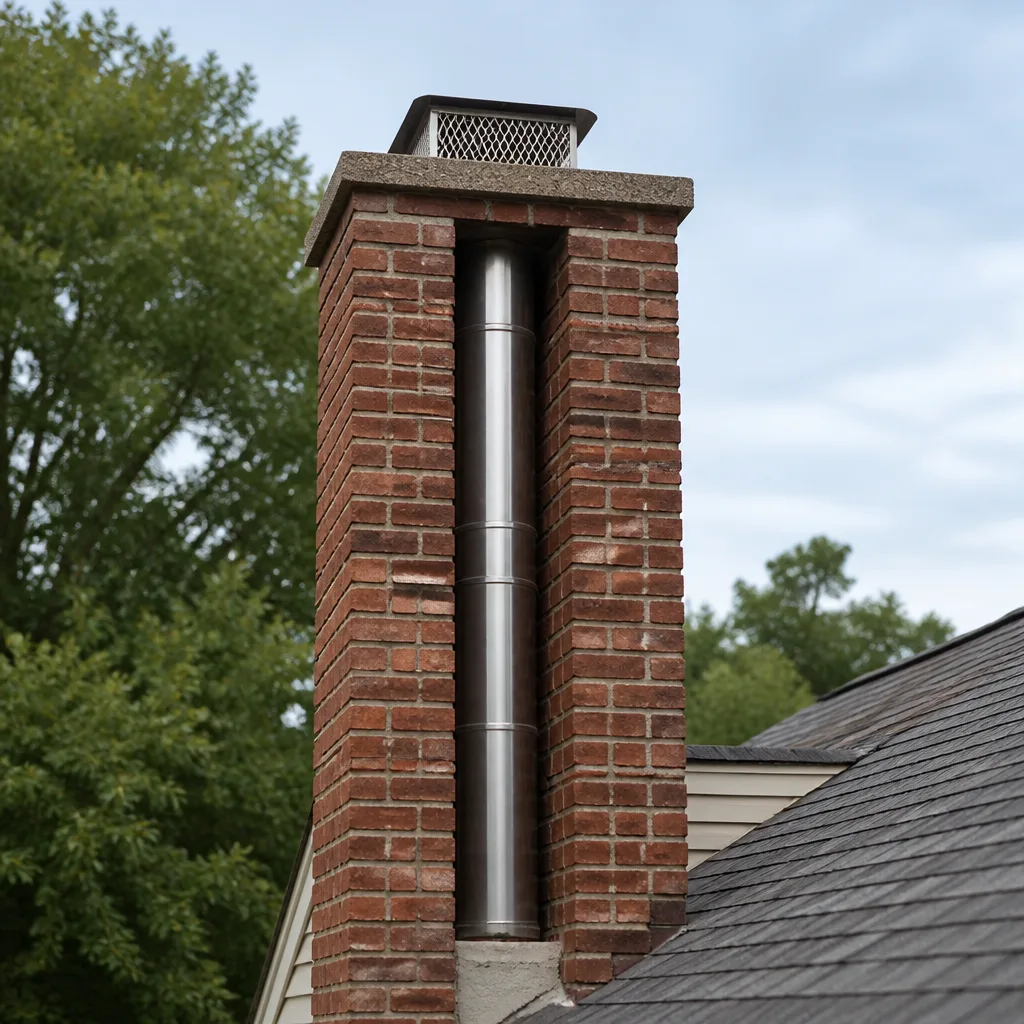 Flue relining
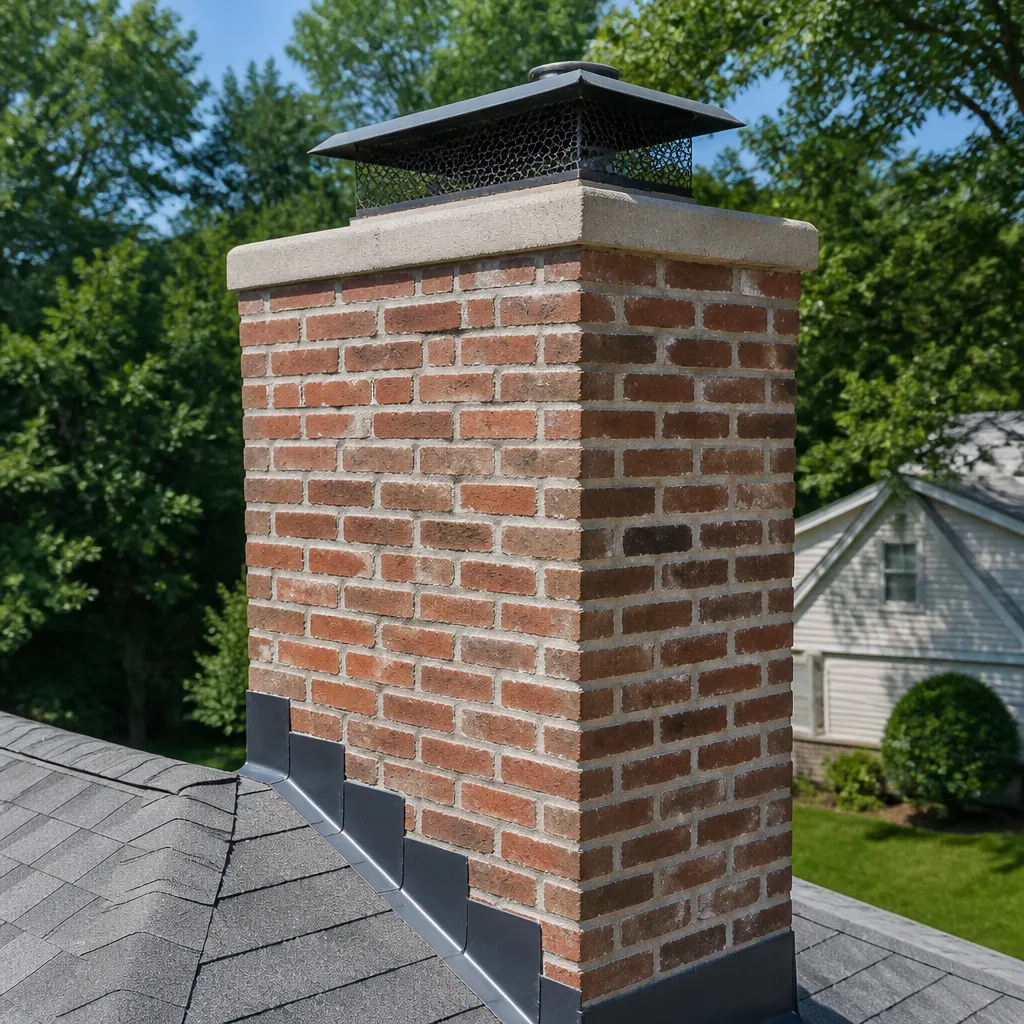 Masonry repair
 Gas fireplace service
Level 1 sweep and inspection to the NFPA 211 annual standard - flue, crown, cap, and flashing checked and photographed
Chimney sweep logs do not sweep chimneys. They loosen some creosote - which then falls where a brush and vacuum still have to collect it.
Choosing the Right Chimney Cleaning Brand: A Buyer’s Guide for Federal Way
There’s no consumer product on any store shelf that will remove glazed, third-degree creosote. The compounds that actually break down that kind of deposit are sold only through professional trade channels, and that one fact tells you most of what you need to know about chimney care. The products a contractor reaches for reveal their training, their supply relationships, and how long their work is likely to last. This guide walks Federal Way homeowners through the professional product landscape: rotary cleaning systems, chemical creosote treatments, liner materials, and cap and crown specifications. By the end, you’ll know exactly which questions to ask before you hire.
Quick Answer
The right chimney cleaning brand is the one whose materials are specified for professional use and matched to your flue’s condition, not the cheapest name on a shelf. Look for contractors who source from trade suppliers like HeatShield for liner resurfacing, DuraFlex for flexible stainless relining, and Gelco or Copperfield for caps and crowns. Ask what they stock, why they chose it, and whether their products carry recognized listings. The answers separate a technician from a handyman.
Styles & brands we work with
- Sweep & inspection
- Caps & crowns
- Flue relining
- Masonry repair
- Gas fireplace service
Table of Contents
- The Professional Brand Landscape: What Homeowners Never See
- Cleaning Logs vs. Professional Creosote Treatments
- Rotary Cleaning Systems and Why They Matter
- How to Spot Trade-Quality Liner Materials
- Why Cap and Crown Specification Matters in Federal Way
- Questions That Reveal a Contractor’s Supply Chain
- Full-Scope vs. Basic: Reading a Contractor’s Capability
The Professional Brand Landscape: What Homeowners Never See
Most homeowners in Federal Way have never heard of the brands that shape their chimney’s future. That’s not a knock on homeowners. It’s a sign of how the trade works. Chimney products are sold through distributor networks that serve working technicians, not retail shelves. When a contractor shows up with materials from HeatShield, DuraFlex, Gelco, or Copperfield, those names carry meaning inside the trade that they simply can’t carry outside it yet.
The landscape breaks into four rough categories, each solving a different problem:
- Mechanical cleaning systems. Rotary rods, whip heads, and poly brushes designed to remove soot, glaze, and scale without damaging clay tile or stainless flue walls.
- Chemical creosote treatments. Professional-grade compounds that change the chemistry of stubborn deposits so they can be removed mechanically. These are not the same as consumer cleaning logs.
- Liner and relining products. Flexible stainless systems like DuraFlex, and resurfacing systems like HeatShield that restore a damaged flue from the inside.
- Weatherproofing components. Caps, crowns, and top plates engineered by dedicated chimney manufacturers like Gelco and Copperfield, rather than improvised hardware-store materials.
A contractor who only carries the first category is a sweeper. One who carries all four is a chimney specialist. In Federal Way, where wet winters work on masonry and metal year after year, that difference compounds.
Cleaning Logs vs. Professional Creosote Treatments
Consumer chimney cleaning logs are a real product, and they do something. They release compounds as they burn that can make light, flaky creosote more brittle, so it’s easier to brush away. What they cannot do is remove glazed creosote, the shiny, hardened, tar-like deposit that forms after repeated hot burns on a restricted flue. That deposit is the fire-risk deposit, and it takes professional intervention.
Here’s the practical difference:
- Consumer logs work on first-degree creosote (soot and light flake). They’re a maintenance aid between professional sweeps, nothing more.
- Professional chemical treatments are formulated to penetrate and alter third-degree glazed creosote. They’re applied by a technician, left to work for a controlled period, and then removed under controlled conditions.
- Rotary mechanical removal physically strips the deposit after the chemical has done its work, restoring the flue surface.
The reason the stronger compounds are trade-only isn’t marketing. It’s that misapplication can damage flue liners, and the formulations require training to use safely. When a technician tells you your glazed creosote needs chemical treatment, they’re describing work that cannot be done from a hardware store. That’s a real ceiling on DIY chimney cleaning, and it’s worth knowing before you spend money on a cleaning log expecting it to solve a problem it was never designed to solve. Our chimney sweep service includes the assessment that tells you which kind of deposit you’re actually dealing with.
Rotary Cleaning Systems and Why They Matter
A rotary cleaning system is a set of rods, a spinning head, and a drill or dedicated driver, and it’s the single piece of equipment that separates a real sweep from a brush on a stick. The heads are matched to what’s inside the flue: whip heads for stainless liners, poly heads for clay tile, chains for heavy glaze on tough tile. Getting that match wrong is how flues get damaged.
What to look for when evaluating whether your contractor has the right mechanical system:
- Multiple head types on hand, because one head cannot safely clean a pumice-lined flue and a stainless liner at the same time.
- Rod lengths sufficient to reach a full chimney run, not just the first couple of feet.
- A camera system to inspect the flue before and after the sweep, so you can see the before-and-after for yourself.
In Federal Way’s housing stock, we run into a wide range of flue types: older masonry chimneys with clay tile, mid-century construction with rectangular flues, and newer homes with factory-built fireplace systems. A contractor who owns one rotary head is equipped for one of those. A specialist is equipped for all of them. The mechanical system matters because a brush that can’t match the flue either under-cleans or damages it, and both outcomes put you back where you started.
How to Spot Trade-Quality Liner Materials
A chimney liner is the most consequential product in your whole system. It’s the flue wall that contains heat and byproducts, and when it fails, the fix is either resurfacing or full relining. The materials specification is where contractor quality becomes visible, and where you can ask questions that will give you a clear answer.
Two professional approaches dominate:
- Resurfacing with HeatShield. A manufacturer-backed resurfacing system that restores a damaged clay flue from the inside, extending the liner’s working life without a full reline. It’s specified when the existing flue structure is sound enough to support it.
- Relining with DuraFlex. A flexible stainless liner system designed to fit complex flue configurations, including offsets and turns that rigid pipe cannot navigate. DuraFlex systems meet national building code requirements for chimney relining.
How do you know your contractor is using trade-quality materials versus a generic import? Ask three things. First, ask for the brand and product line, then check whether it’s a name sold through chimney supply distributors rather than a general construction import. Second, ask whether the liner system carries recognized third-party listings; a stainless liner without a listing is a liability, not a solution. Third, ask why the technician chose that product for your specific flue. A trained answer will reference the flue’s condition, not the price.
When a chimney repair job calls for relining, the difference between a listed DuraFlex system and a cheap import is the difference between a flue you can trust and a flue you’ll be re-opening. We source the former because it’s what the work requires.
Why Cap and Crown Specification Matters in Federal Way
Federal Way sits in a wet, maritime-influenced climate with a long rainy season, and that weather acts on chimney exteriors year after year. Water is the most reliable destroyer of masonry, and the cap and the crown are your chimney’s first and most exposed defenses. They’re also where the biggest gap between professional and improvised materials shows up.
Chimney caps come in three rough material tiers, and their service lives differ substantially:
- Galvanized steel. The lowest tier. It’s zinc-coated and will eventually rust through, especially in a wet climate, and it’s typically a temporary choice.
- Stainless 304. A step up. It resists corrosion much better than galvanized and holds up over a long service life under normal conditions. Good for interior and light exterior use.
- Stainless 316. The marine-grade tier. It adds molybdenum for corrosion resistance and is the specification you want for a chimney cap that faces driven rain and wet weather for years at a time.
The crown is the concrete or mortar cap at the top of the masonry chimney, designed to slope water away from the flue. A crown built with purpose-made chimney materials, rather than whatever mortar is on hand, holds its shape and its slope far longer. In Federal Way, where the rainy season is long, a crown that loses its slope is a crown that’s funneling water into your chimney. We specify caps and crowns from dedicated chimney manufacturers like Gelco and Copperfield because those products were engineered for the job the crown actually does.
Questions That Reveal a Contractor’s Supply Chain
The best way to evaluate a chimney contractor in Federal Way is to ask about their materials before they start work. The answers reveal whether they’re stocked for the full range of chimney work or just enough to sweep a straight flue. Here’s what to ask:
- “What brand of liner system do you install, and does it carry a recognized listing?” A specific brand name and a clear listing answer tells you they’re sourcing professional-grade stainless. A vague “stainless steel” answer tells you to ask again or walk.
- “Do you use a rotary cleaning system, and do you carry multiple head types?” Yes means they can match the head to your flue. No, or “we use a brush,” means they’re not equipped for heavy glaze or varied flue types.
- “How do you handle glazed creosote?” A professional answer references chemical treatment followed by mechanical removal. A casual “we’ll brush it” answer means they’ve never dealt with a serious deposit.
- “What material is your chimney cap?” You want to hear stainless or a specific manufacturer bracket. “Steel” with no detail is usually galvanized, and galvanized doesn’t last in our climate.
- “Can you show me the camera inspection of the flue?” A contractor with a camera can show you the condition before and after. A contractor without one is asking you to take their word for it.
- “Do you do the repair work yourself or hand it off?” A single point of accountability matters. When one company diagnoses and completes the work, you’re not caught between a sweeper and a mason who blame each other.
Ask these questions on the phone before you book, and you’ll save yourself from a job that has to be redone. If the answers are clear and specific, you’re talking to a specialist. If not, keep looking.
Full-Scope vs. Basic: Reading a Contractor’s Capability
A contractor whose capability is sweeping is equipped for sweeping. A full-service chimney specialist is equipped for the whole system, and the best way to read capability is to look at the services a company lists. Here’s the standard set a full-scope specialist covers: fireplace repair, chimney repair, cap and crown installation, inspections, and the sweep itself. Every one of those services requires specific materials and specific training.
A sweep requires rotary cleaning systems. Inspections require a camera and a trained eye. Liner resurfacing requires HeatShield. Relining requires DuraFlex. Weatherproofing requires caps and crowns from dedicated manufacturers. A company that offers the full set has had to build relationships with suppliers across the chimney supply industry, because no single supplier covers all of it. That’s what “stocked for the full range of chimney work” actually means in practice.
There’s a second signal here, and it’s about accountability. When one company handles the sweep, finds the issue, and completes the repair, the diagnosis and the fix sit with the same team. When a company sweeps and subcontracts the liner work, you’re the one coordinating between them. In Federal Way, where the wet season keeps chimneys under continuous weather stress, having one team responsible for the whole job is a real advantage. If the caps, the crown, the flue, and the firebox are all somebody else’s job, you end up as project manager. You shouldn’t have to be.
Common Mistakes to Avoid
- Assuming a cleaning log is a substitute for a sweep. Cleaning logs only work on light, flaky creosote, and they cannot touch the glazed deposit that poses the real risk. Treat them as a maintenance aid, not a cleaning solution, and schedule a real sweep on its own schedule.
- Accepting “stainless liner” with no brand and no listing. Without a named brand and a recognized listing, you have no way to verify what’s behind your chimney wall. Ask for the product line before any relining work is scheduled.
- Approving a galvanized cap in Federal Way’s wet climate. Galvanized caps rust through relatively quickly outdoors here. Specify stainless 316 for a cap that lasts, and treat a cheaper cap as exactly what it is.
- Skipping the inspection because the sweep was “fine.” A sweep removes deposit; it doesn’t assess flue integrity, crown condition, or cap fit. In a wet climate, those are the issues that quietly get worse.
- Hiring the lowest bid on liner work without comparing materials. A low liner bid can mean a generic, unlisted liner, and that’s a shorter repair life, not a discount. Compare product specification, not just price.
- Letting a contractor diagnose without showing evidence. If a technician says you need a new liner and can’t show you the camera footage, you have no basis to agree. Insist on seeing what they see.
- Booking a different company for each service. Splitting the sweep, the repair, and the weatherproofing across multiple contractors is where finger-pointing starts. One company, one scope, one point of accountability.
See the difference
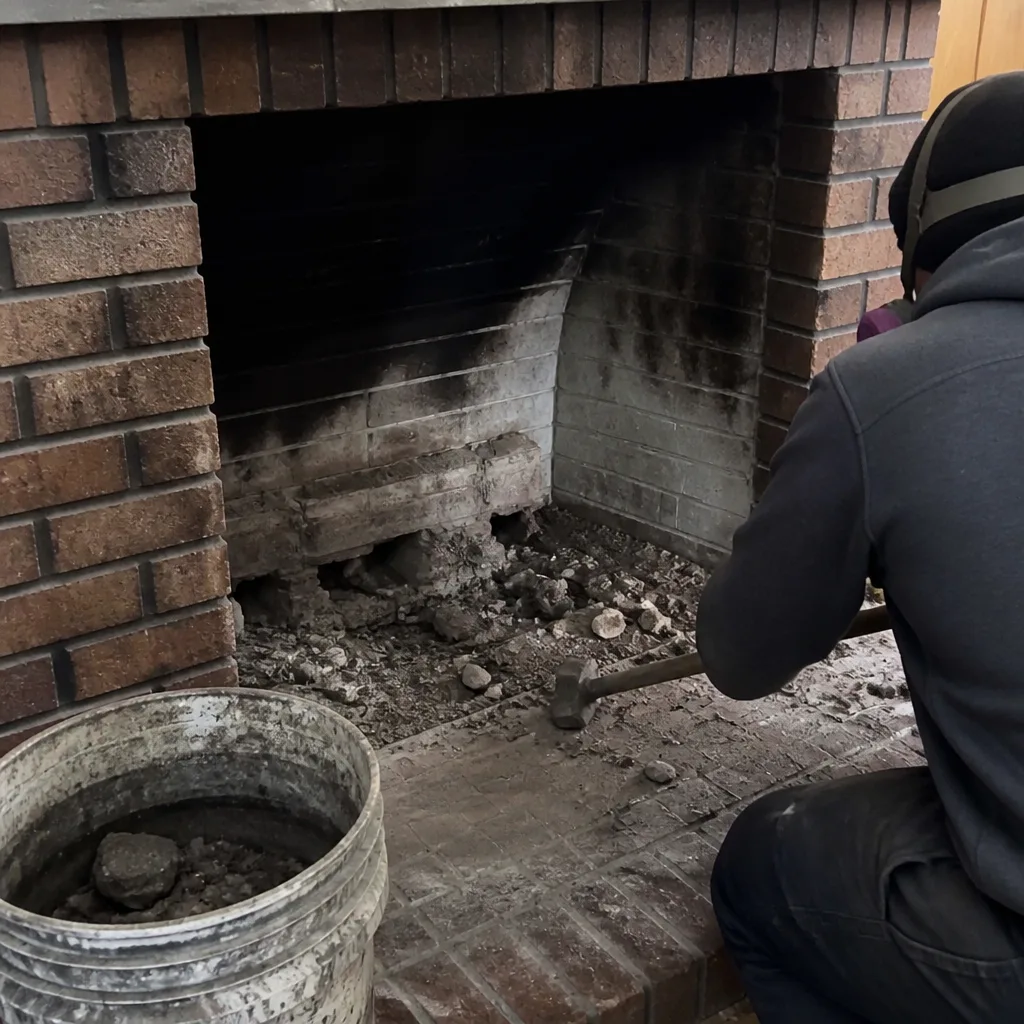 Before
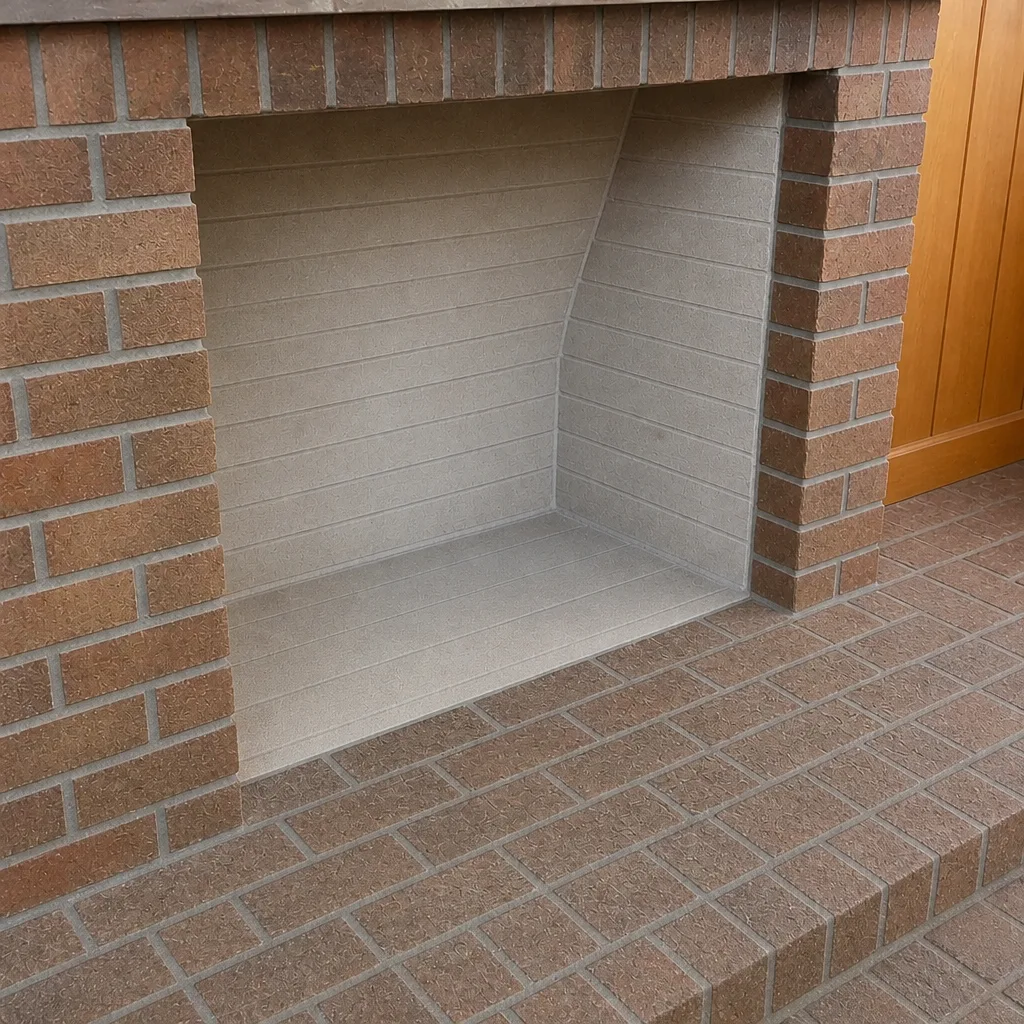 After
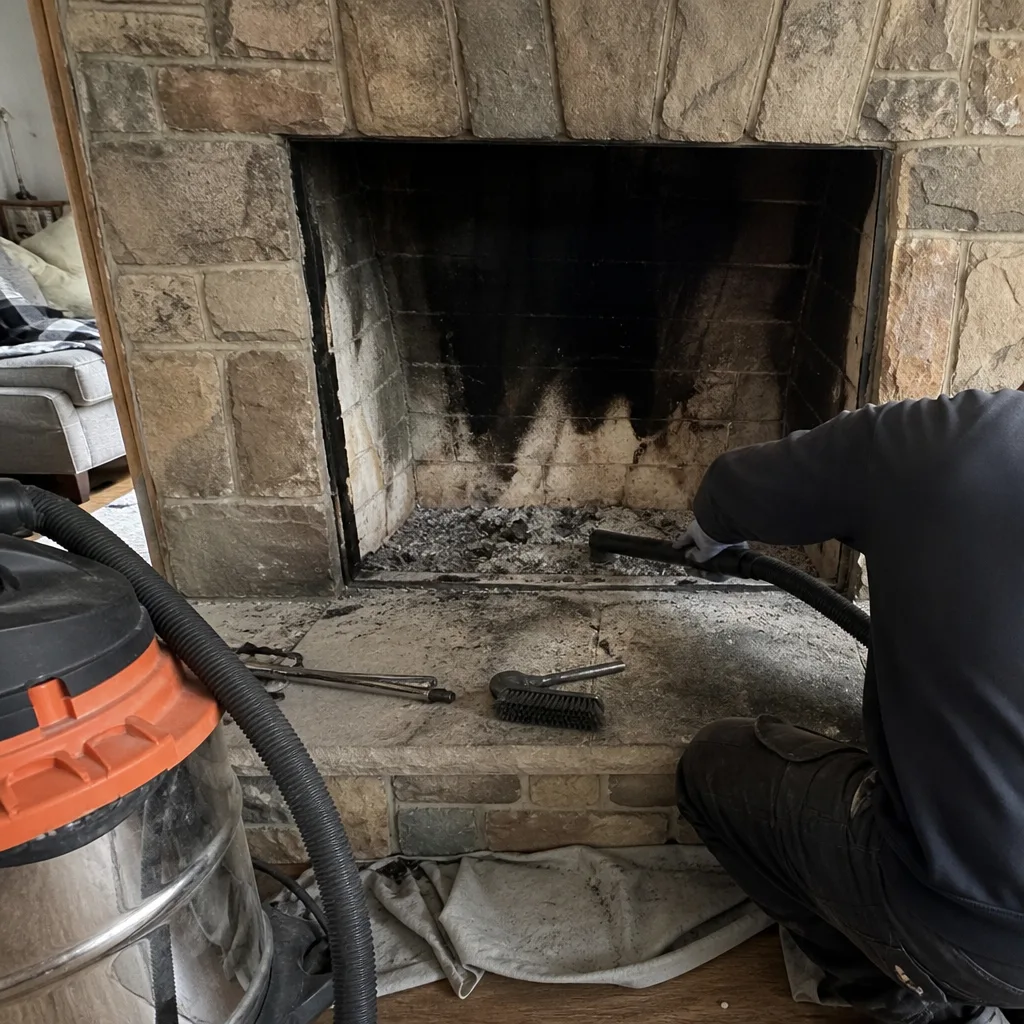 Before
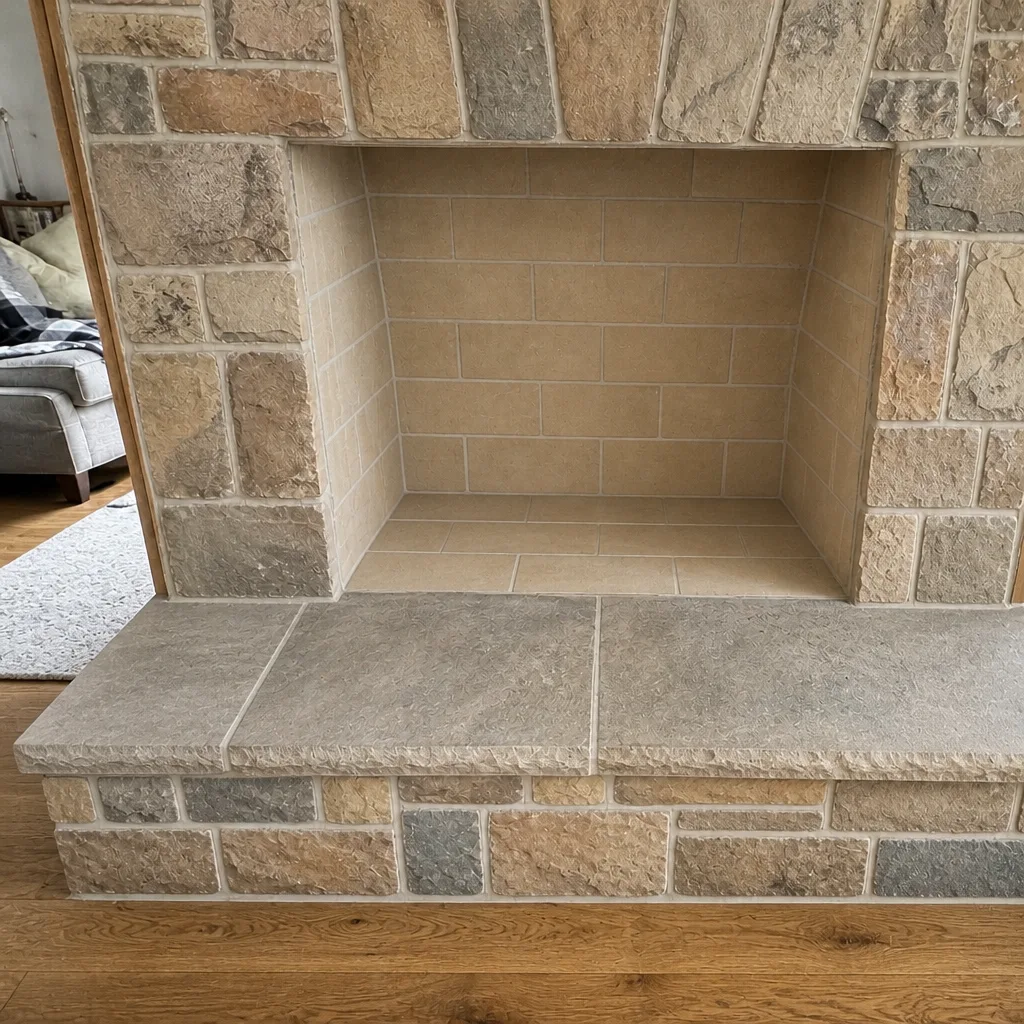 After
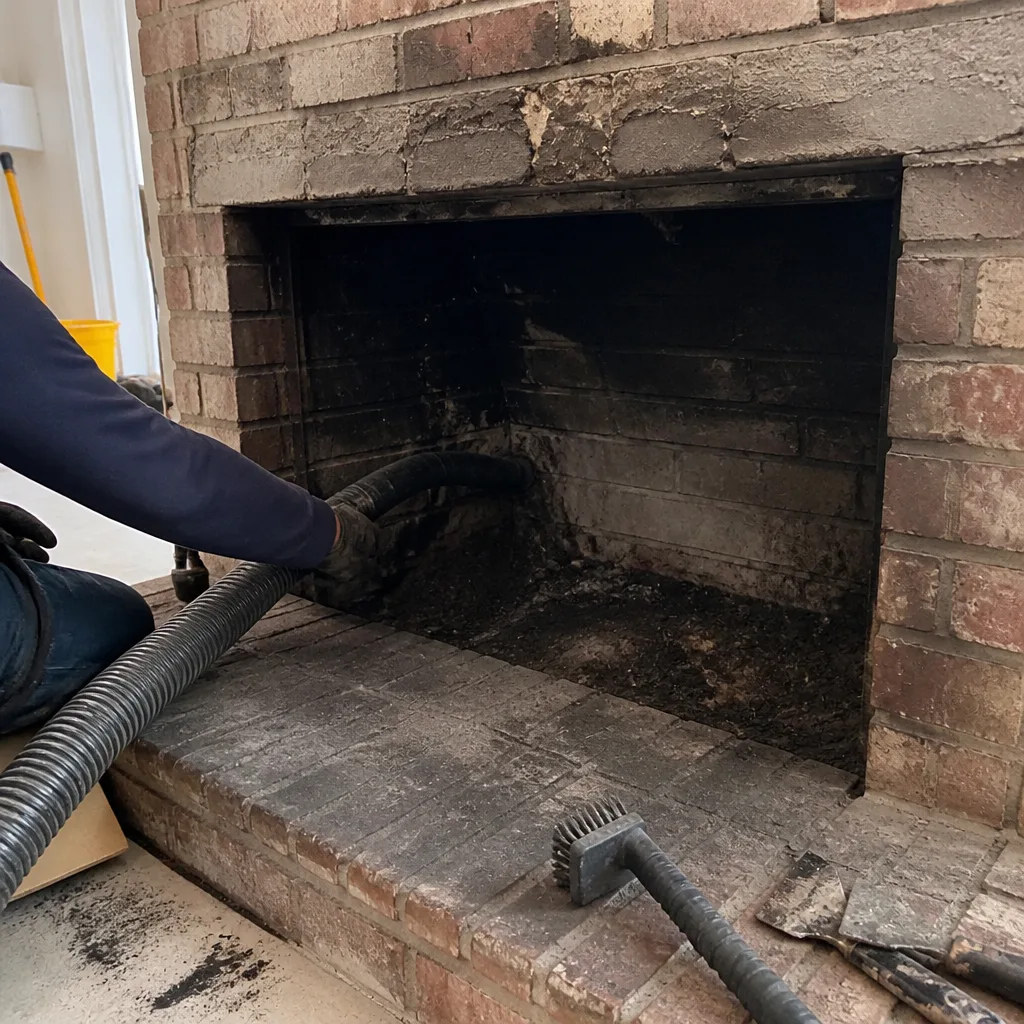 Before
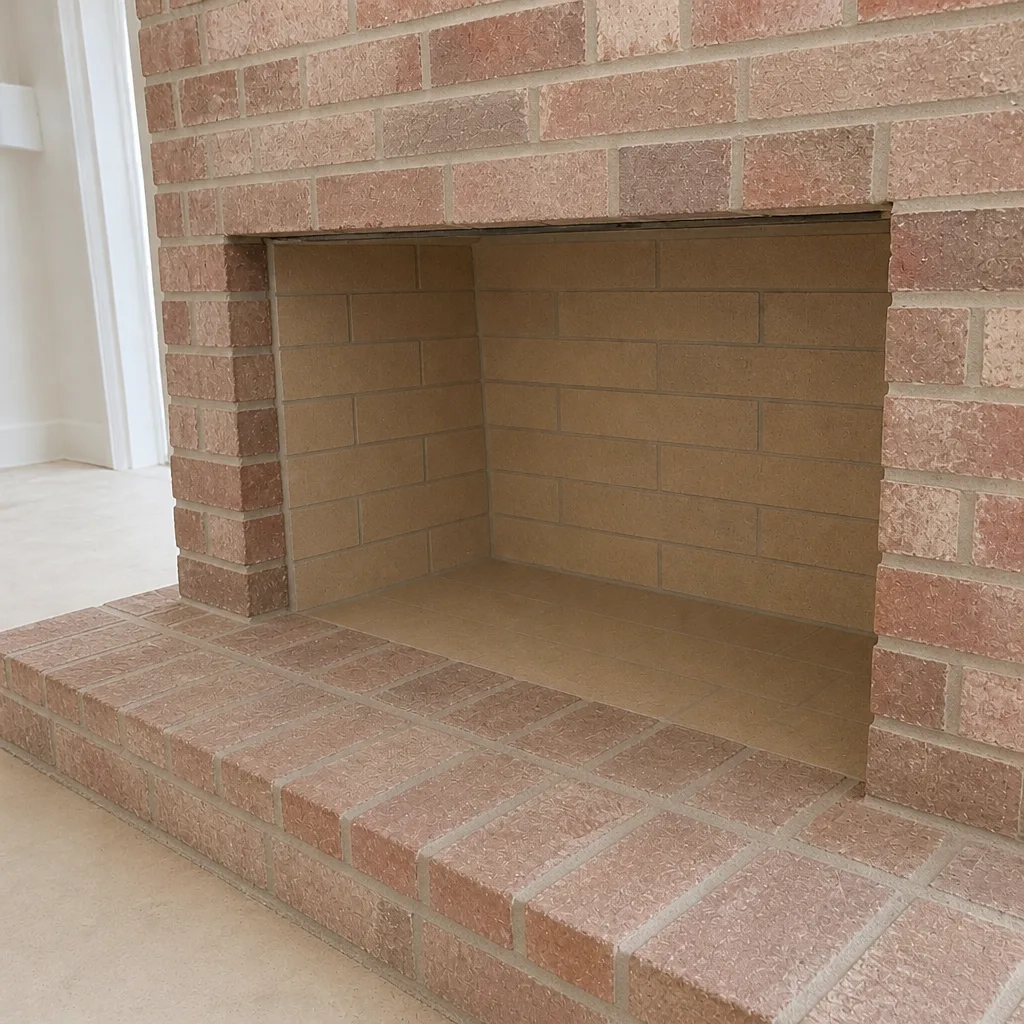 After
When to Call a Professional
Call a chimney professional if you’re seeing glazed creosote, if the firebox smells smoky or drafty, if you’ve had a chimney fire (even a small one), or if the cap or crown looks damaged. Call before burning season starts, because the assessment happens while there’s still time to schedule the work. In Federal Way, that means booking in the fall, when the rainy season is ahead and the chimney system can be checked before it’s under load. Federal Way Chimney Sweep Pros offers free estimates in Federal Way. Call (844) 949-4711. We answer 24/7. Fast dispatch from 7am to 7pm, Sunday through Friday.
Frequently Asked Questions
There’s no single best brand: the right one is the one matched to your flue’s condition and specified for professional use. The names to recognize are HeatShield for liner resurfacing, DuraFlex for flexible stainless relining, and Gelco or Copperfield for caps and crowns. Ask your contractor which product they’ll use and why. A specific, condition-based answer is the one you want. Call (844) 949-4711 and we’ll walk you through the options for your chimney.
Cleaning logs work on first-degree creosote, the light soot and flake, and they do essentially nothing to glazed third-degree creosote. They’re a maintenance aid between professional sweeps, not a replacement for one. If your flue has a serious glaze problem, the log can’t solve it, and a professional chemical treatment followed by rotary removal is the appropriate response. The compounds that break down glaze are trade-only. Call (844) 949-4711 if you’re not sure which kind of deposit you have.
Ask for the brand name and whether the liner carries a recognized listing. A trade-quality flexible stainless liner will be sold through chimney supply distributors and will have documented listing standards, while a generic import may not. Then ask why that product was chosen for your specific flue: condition, diameter, and configuration should drive the answer. If the contractor can’t name the product or explain the reasoning, that’s your answer. Call (844) 949-4711 to discuss liner options with a specialist.
Yes, because the cap faces the weather year after year, and Federal Way’s long rainy season puts real stress on it. A galvanized cap rusts through relatively quickly outdoors, a stainless 304 cap holds up over a long service life, and a stainless 316 cap is the corrosion-resistant tier for maximum durability. The right cap protects the flue from water, birds, and debris. A poor one is a temporary lid. Call (844) 949-4711 for a cap assessment.
You need a full-service company if there’s any chance the flue, crown, cap, or firebox needs attention, and in an older Federal Way home the odds are high. A sweeper can clean the flue but can’t reline it, resurface it, or install a properly specified crown. The full-service company can handle every one of those under one point of accountability. Call (844) 949-4711 and we’ll tell you what your chimney actually needs.
Ask about products before you ask about price. Specifically: which liner brand they install, whether it carries a listing, what rotary cleaning system they use, how they handle glazed creosote, what their caps are made of, and whether you can see the camera inspection. Then ask whether they complete the repair work themselves or subcontract it. The answers tell you whether they’re equipped for the full chimney system or just the basics. Call (844) 949-4711 to start with a free estimate.
The Bottom Line
The products a chimney contractor uses are the clearest signal of their actual competence. Trade-quality materials, from liner systems like HeatShield and DuraFlex to weatherproofing from Gelco and Copperfield, are specified for a reason and matched to your chimney’s condition. Generic, unlisted substitutes don’t solve the same problems. For a Federal Way homeowner, the practical move is to ask product questions before booking, insist on seeing the camera inspection, and work with a company that handles the full scope. That’s how you get a chimney that lasts through the wet season. That’s the standard we hold at Federal Way Chimney Sweep Pros, and it’s what your chimney deserves.
If you’re ready to start with a free estimate, call (844) 949-4711. We answer 24/7. Fast dispatch from 7am to 7pm, Sunday through Friday.
Written by the team at Federal Way Chimney Sweep Pros.