
Last updated November 24, 2026
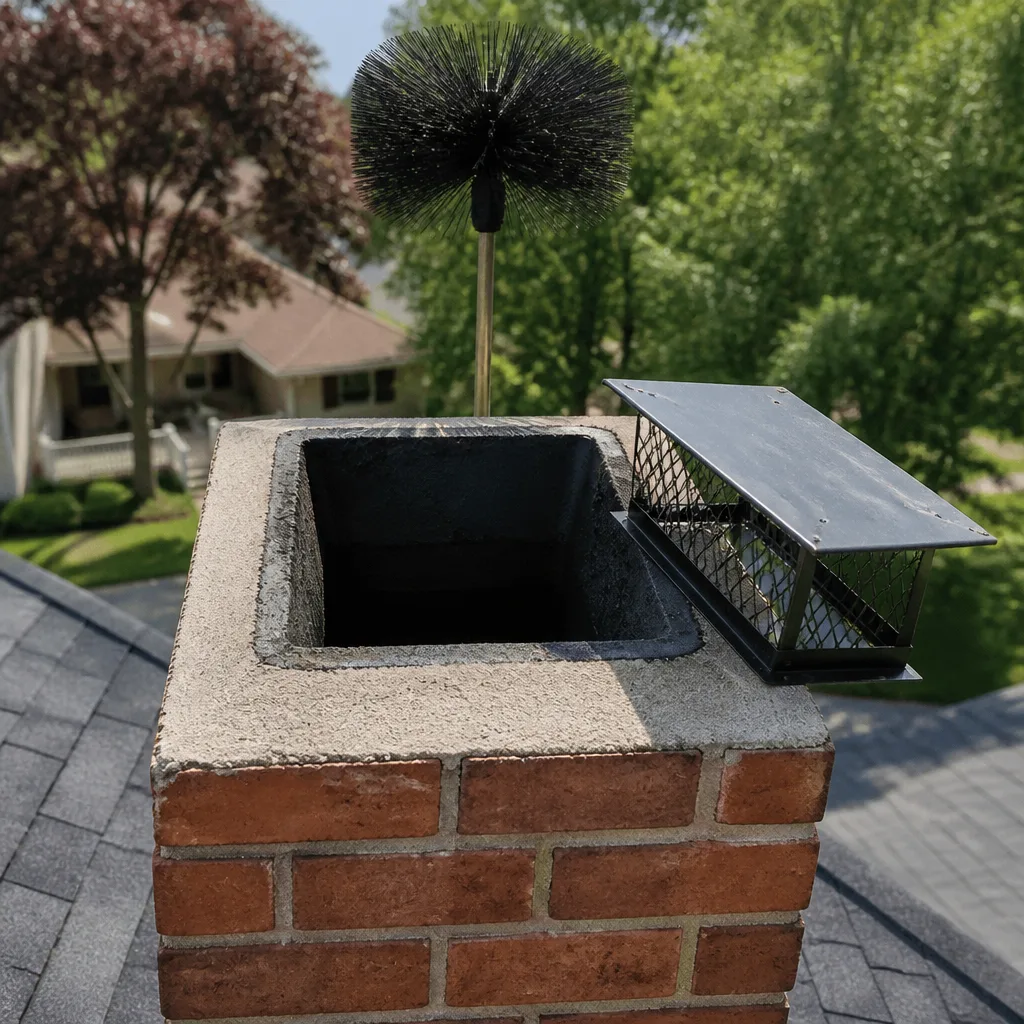 Sweep & inspection
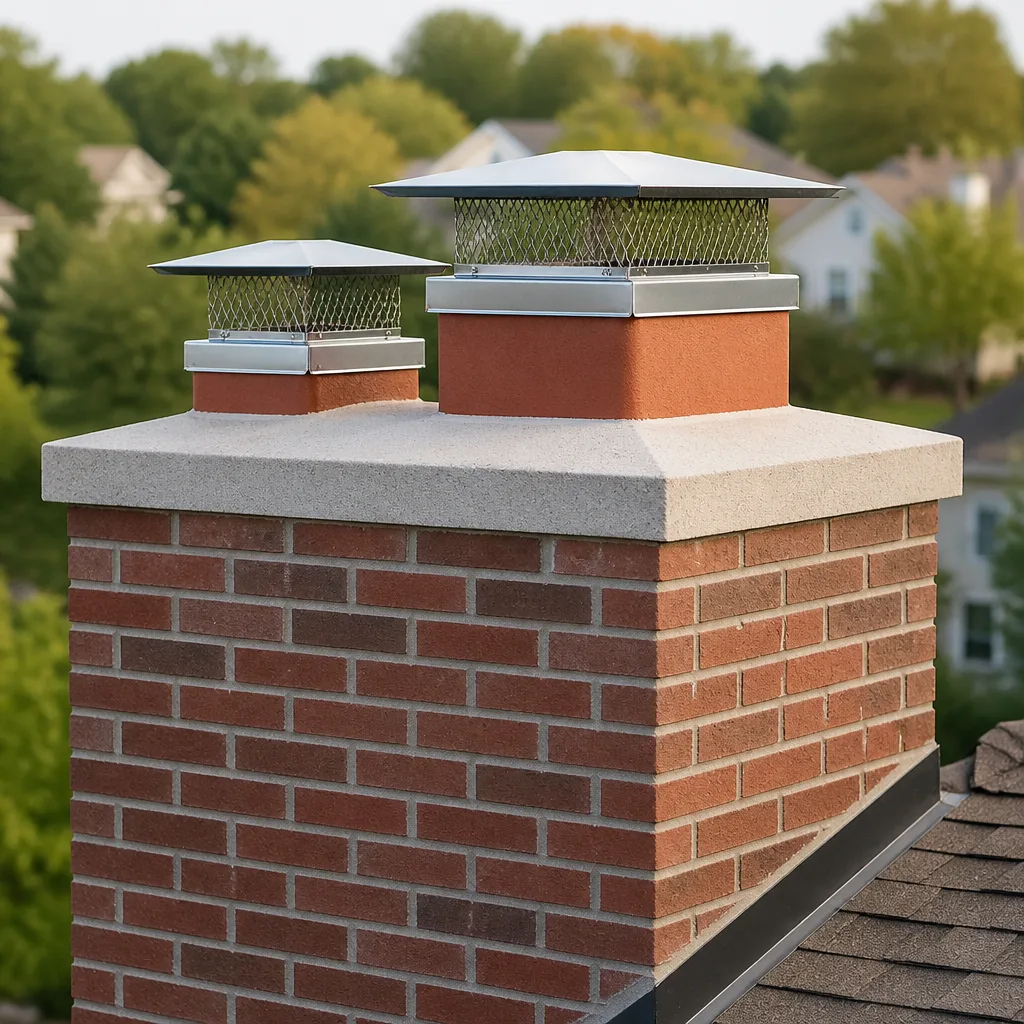 Caps & crowns
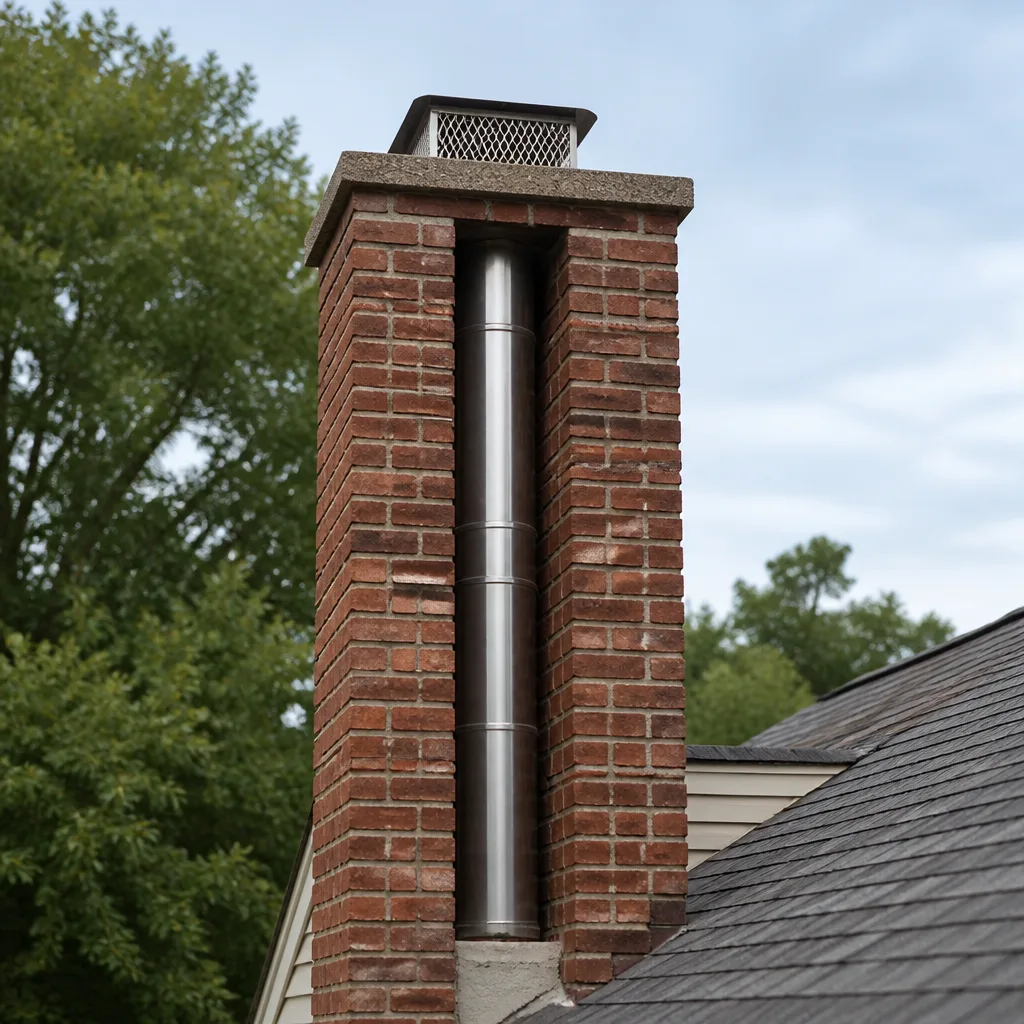 Flue relining
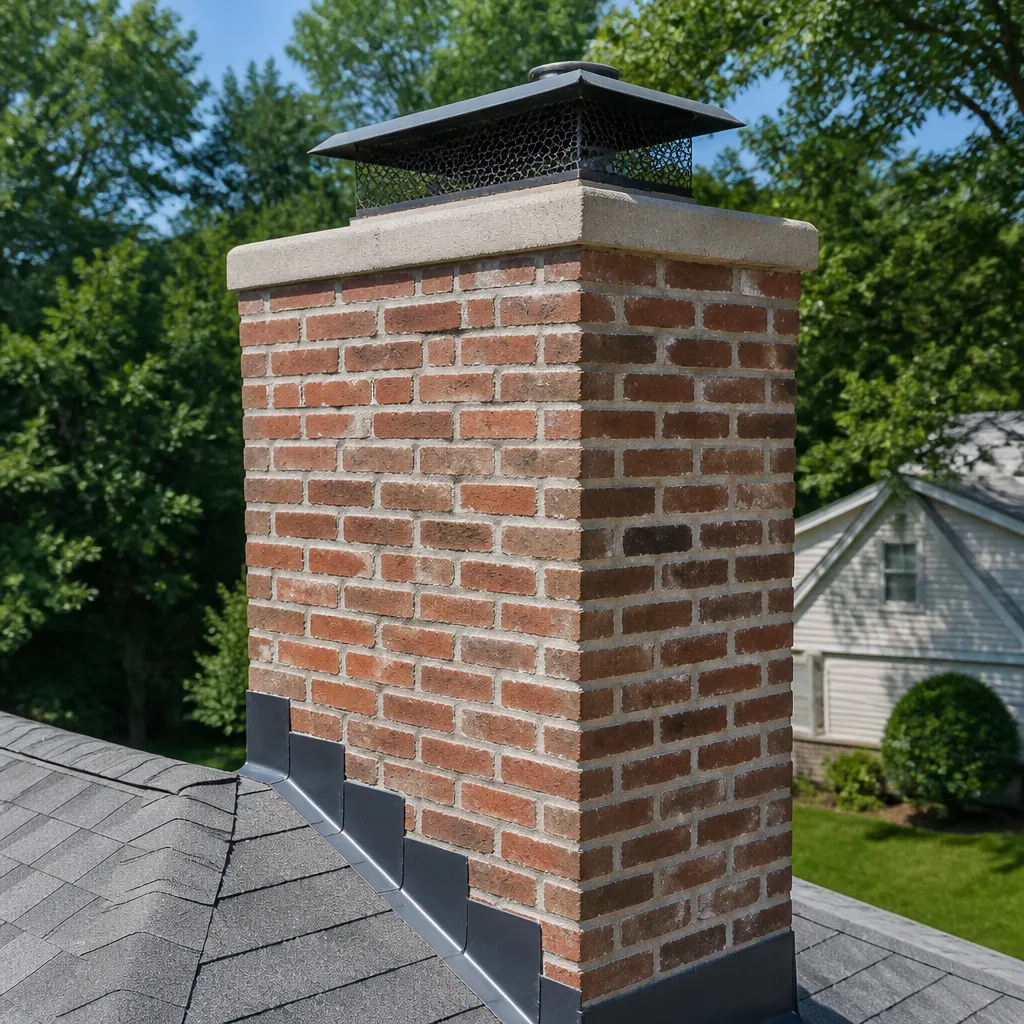 Masonry repair
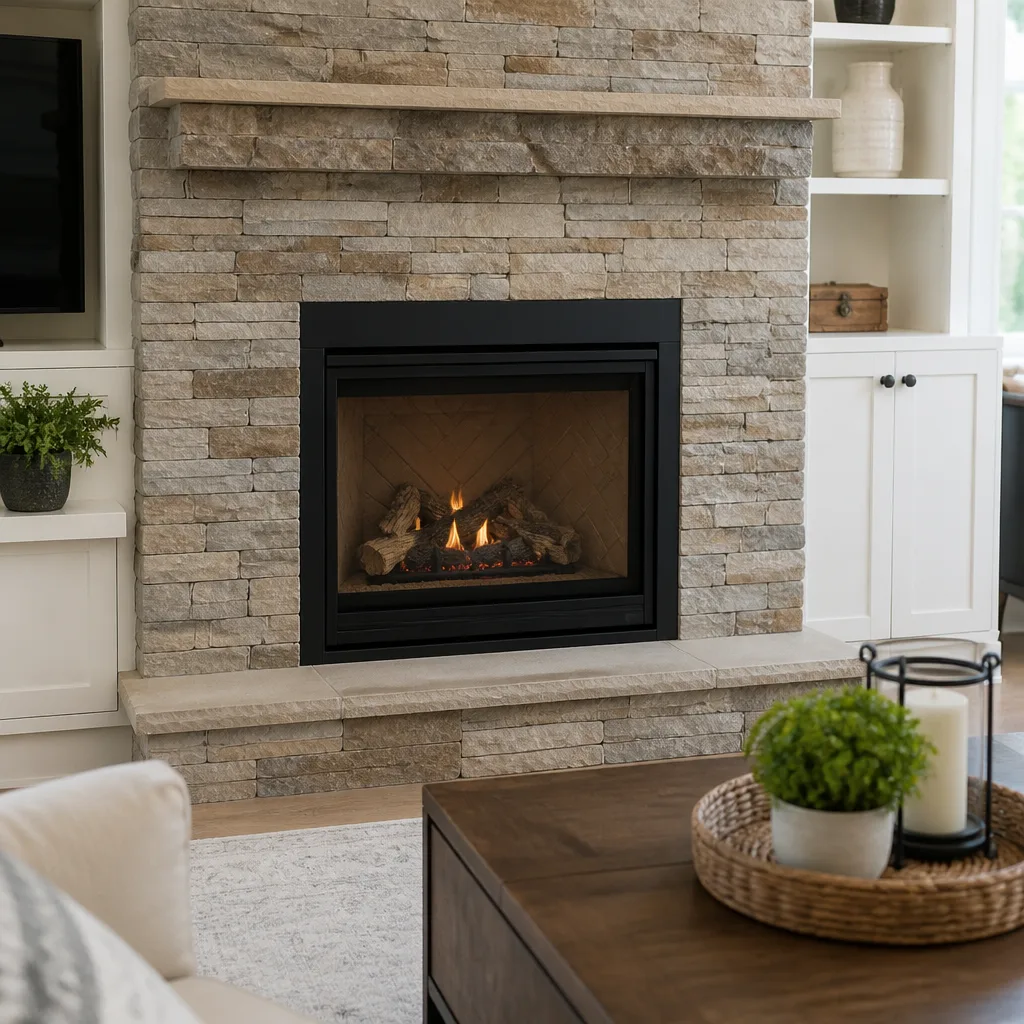 Gas fireplace service
Level 1 sweep and inspection to the NFPA 211 annual standard - flue, crown, cap, and flashing checked and photographed
Chimney sweep logs do not sweep chimneys. They loosen some creosote - which then falls where a brush and vacuum still have to collect it.
DIY vs Professional Chimney Cleaning: The Federal Way Homeowner’s Decision Guide
A chimney brush kit will scrub visible soot off the flue walls. What it won’t do is tell you whether the tile liner behind that soot has hairline cracks routing carbon monoxide into your living room, or whether the black glaze near the top of the flue is the kind of creosote that ignites. That gap between “looks clean” and “is safe” is the whole debate, and it’s why the DIY-versus-professional question is really a question about what you can verify. This guide breaks down exactly what a homeowner can do safely in a Federal Way chimney, what a brush-and-rod setup cannot do no matter how careful you are, and how to decide which category your situation falls into.
Quick Answer
For most Federal Way homeowners, professional chimney cleaning is the right call, not because you’re incapable of running a brush but because a brush alone cannot assess liner integrity, identify third-stage glazed creosote that needs chemical treatment, or detect draft failures. DIY cleaning has one legitimate role: monitoring your flue between professional visits so you notice changes early. If your chimney hasn’t been evaluated by a camera inspection, a brush won’t tell you what you need to know.
Styles & brands we work with
- Sweep & inspection
- Caps & crowns
- Flue relining
- Masonry repair
- Gas fireplace service
Table of Contents
- What a DIY Brush-and-Rod System Can and Cannot Do
- Why Third-Stage Creosote Isn’t a Brush Problem
- Roof Access on Federal Way Rooflines
- What a Camera Inspection Reveals That Nothing Else Can
- What Professional Cleaning Costs in Federal Way
- The Narrow Case for DIY: Monitoring Between Visits
- Common Mistakes to Avoid
- When to Call a Professional
What a DIY Brush-and-Rod System Can and Cannot Do
The honest starting point is that a homeowner with a decent brush kit and a ladder can physically accomplish something. A poly brush on flexible rods will knock loose soot off flue walls. That’s real. The question is what that action leaves behind and what it never addresses. Here’s the tool-by-tool breakdown.
What DIY equipment handles
- Round poly brushes remove light, powdery soot from accessible flue sections. Effective on first-stage creosote, the fluffy stuff that accumulates from normal burning.
- Flexible rods let you reach straight flue runs from the firebox or the roof, depending on your setup.
- A shop vacuum with a proper filter catches debris at the firebox opening, though it won’t stop fine dust from migrating into the room.
- A flashlight and mirror give you a rough visual check of what’s reachable.
What DIY equipment cannot do
- Assess the liner. A brush doesn’t detect cracked tiles, gaps at joints, or a liner that’s separated from the flue wall. Those defects are the pathway for heat and carbon monoxide to reach framing or living space.
- Identify hidden creosote stages. Second-stage creosote (crusty, flaky) and third-stage (glazed, glassy) look very different from what a homeowner expects, and the glazed layer often sits where a brush can’t reach effectively.
- Diagnose draft. Poor draft has causes that range from flue sizing to pressure problems in the house, and none of them show up in a visual scan from the firebox.
- See the flue interior. A brush cleans; it doesn’t photograph. There’s no record of what the flue looked like afterward.
- Address the crown, cap, and flashing. Water intrusion at the top is one of the most common causes of chimney deterioration, and it isn’t a cleaning issue at all.
That last point matters in Federal Way, where wet winters put the chimney crown and cap through real stress. A brush doesn’t stop water from finding a failed crown joint.
Why Third-Stage Creosote Isn’t a Brush Problem
Creosote forms in three recognizable stages, and only the first one cooperates with a brush. First-stage creosote is soot and flaky dust that a poly brush removes readily. Second-stage is a crusty, tar-like deposit that takes more work but can still be broken down. Third-stage creosote is different: it’s glazed, hardened, and fused to the flue wall, sometimes glassy and dark.
Here’s the part homeowners miss. Applying a brush directly to glazed creosote without treating it first can embed the deposit rather than remove it. The bristles polish the surface, harden it further, and push material into tile pores instead of lifting it off. That’s not a matter of brushing harder. It’s a chemical problem before it’s a mechanical one.
How professionals handle glazed creosote
- Confirm the stage. A camera inspection identifies what’s actually on the flue wall and where it’s concentrated, so the treatment matches the deposit.
- Apply a chemical treatment. Purpose-made creosote removers soften and break down the glazed layer over a controlled period. This step can’t be rushed.
- Return for physical removal. Once the deposit has broken down, brushes and scrapers lift it cleanly. Some jobs need more than one pass.
- Photograph the result. The flue is documented after removal, which matters for your records and for any future work.
This is also where materials matter. Liners that have been compromised by repeated glazed creosote buildup sometimes need resurfacing rather than replacement, and HeatShield is the standard system for that kind of liner restoration. We use it precisely because it lets a chimney keep working without a full relining when the damage is confined to the liner surface.
The risk of glazed creosote isn’t theoretical. It’s the fuel that makes chimney fires possible, and it accumulates from restricted-air burning, unseasoned wood, and cool flue temperatures, all of which are common in Pacific Northwest homes where fires burn hot and then sit overnight. If you suspect a glazed layer, get it evaluated before the next burn season.
Roof Access on Federal Way Rooflines
Federal Way’s residential construction leans heavily on steep-pitch roofs, and that changes the safety math for DIY chimney work considerably. Cleaning from the top requires standing on or near the roof, working around the chimney cap, and managing a brush and rods, often in weather that’s slick. The steep angle, not the height, is what makes this genuinely hazardous without anchor systems and proper fall protection.
The cap is the specific problem. A chimney cap sits on top of the flue, and getting to it means working right at the edge of the roof peak or on a steep plane above the eave. A slip there is a long fall. Ladder placement on pitched ground, gutter lines, and downspout positions all compound it. Roofing professionals use harnesses, anchor points, and roof jacks for this reason, and a chimney technician working at height should be doing the same.
What a professional brings to roof work
- Fall protection. Anchors and harnesses, not balance and hope.
- Ladder stability. Proper placement and footing for a working-height ladder.
- Roof-surface awareness. Knowing which roofing materials tolerate foot traffic and which don’t. Composite shingles are generally more forgiving; older or delicate roofing isn’t.
- Cap and crown removal. Gelco and Olympia Chimney caps and crowns need to come off cleanly and go back correctly, or water intrusion follows. Famco crowns are another line we install when the original crown has cracked and needs replacement.
We’d rather tell you plainly: cleaning from the roof of a steep Federal Way home is not a good place to learn on the job. The ground handles cleaning from the firebox, but the top of the flue is a different story entirely.
What a Camera Inspection Reveals That Nothing Else Can
A camera inspection is the single step that separates professional service from DIY. No visual check from above or from the firebox can approximate what a camera sees, because the flue interior is a closed pipe with joints, offsets, and surfaces that don’t reveal themselves from either end.
What the camera shows
- Tile cracks and gaps. These are invisible from the firebox. Even a small crack lets heat reach framing or allows flue gases into the house.
- Joint separation. Tiles shift over time. Separated joints are a pathway, not just an aesthetic issue.
- Creosote distribution. Where the glazed deposits sit, how thick they are, and whether they’re concentrated at offsets or above the smoke chamber.
- Obstructions. Nests, debris, and failed cap components that drop into the flue.
- Liner condition. Whether the liner has been compromised enough to need resurfacing or full relining.
- The smoke chamber and damper area. These sit below the flue and are easy to skip in a visual scan.
The camera is also what makes an honest recommendation possible. When we tell you a relining job is or isn’t necessary, the evidence is on screen. That matters in a market where vague diagnoses are common and homeowners have been told they need work they can’t verify. DuraFlex flexible liner systems are what we install when relining is genuinely required, because they meet national building code requirements and adapt to the complex flue configurations that rigid liners can’t manage.
And sometimes the camera shows that work can wait. A chimney with a sound liner and light first-stage creosote doesn’t need expensive intervention. The inspection is what tells you which category you’re in.
What Professional Cleaning Costs in Federal Way
Professional chimney cleaning in Federal Way typically runs a modest flat fee, with inspection usually included, and the written estimate you get before any work sets the final price. Here’s how the typical line items break down.
| Service | Typical Estimated Range |
|---|---|
| Standard chimney sweep with basic inspection | Modest flat fee, quoted per job |
| Camera inspection with photo report | Often included with sweep, sometimes separate |
| Glazed creosote treatment and removal | Higher than a standard sweep, quoted after inspection |
| Liner resurfacing (HeatShield) | Quoted per job after camera evidence |
| Full relining (DuraFlex flexible system) | Quoted per job after camera evidence |
| Cap and crown installation | Quoted per job by brand and fit |
Notice what’s not in that table: a service-call fee. The estimate is free, and the price for the work is set per job by the written estimate. What you’re paying for in a professional sweep is the parts that DIY can’t provide: the camera documentation, the creosote staging, the liner assessment, and the roof access to check the cap and crown.
For homeowners weighing the cost of DIY equipment and the risk of a roof fall against the cost of a sweep, the comparison usually isn’t close once the safety math is in. A brush kit and ladder cost less than a sweep, but not once you factor in what you’re not learning about your chimney. Call chimney sweep services for an exact quote; estimates are free.
The Narrow Case for DIY: Monitoring Between Visits
There’s a real place for homeowner involvement in chimney care, but it’s monitoring, not cleaning. The safe DIY role is noticing changes and knowing when to make a call. Done consistently, it catches problems earlier than an annual sweep would.
- Watch the smoke. If smoke rolls back into the room instead of drafting up, or if it lingers in the firebox, that’s a signal. Note it and mention it at your next inspection.
- Smell the chimney when it’s cold. A strong creosote smell with no fire burning means deposits are present. It doesn’t tell you how much or what stage, but it’s worth flagging.
- Check the cap from the ground. Binoculars work. If the cap has rusted, come loose, or has visible gaps, that’s water intrusion waiting to happen. You don’t need to go up there to see it.
- Look at the crown from the ground. Cracks visible from below are worth evaluating. Crown repair is professional work, but spotting it early is homeowner work.
- Watch the firebox for changes. New staining, crumbling mortar, or shifting brick around the firebox is a signal, not a task. Track it and report it.
- Keep a log. Note what you burned, how often, and when the last sweep was. This is the most useful thing a homeowner can hand a technician.
What’s not on that list: brushing the flue yourself. Once you’ve had a professional clean and inspect, the flue is in a known state. Between visits, monitoring is the job. The next sweep is the professional’s.
Common Mistakes to Avoid
- Brushing glazed creosote without treating it. This is the single most common DIY error, and it can make things worse by hardening and embedding the deposit. Treatment comes before the brush, not after.
- Cleaning from a steep roof without fall protection. Federal Way rooflines make this genuinely dangerous. The cap and crown sit at the worst possible spot on a pitch, and one slip is a long fall. Use a harness or hire out.
- Assuming a clean flue is a safe flue. Visible soot removal says nothing about liner cracks, joint separation, or draft. Without a camera, “clean” is an incomplete answer.
- Burning unseasoned wood to “get through” a cold stretch. Wet wood burns cooler and produces more creosote, which accelerates buildup over the course of a winter. Buy seasoned wood or skip the fire.
- Ignoring the cap and crown because the fire burns fine. Water finds the weakest joint on its own schedule. A cracked crown or a loose cap lets moisture into the chimney structure, and that damage doesn’t announce itself until it’s expensive.
- Skipping the smoke chamber and damper area. These sit below the flue, and DIY visual checks from the firebox often stop short of them. They’re part of the system, and they need assessment too.
- Treating a sweep as a one-time event. How often you need a sweep depends on how much you burn, what you burn, and whether the flue shows buildup. A yearly check for regular burners is the usual starting point.
When to Call a Professional
Call a professional when the answer to any of these is yes. You’ve moved into a Federal Way home and don’t know when the chimney was last serviced. You smell creosote when no fire is burning. Smoke rolls back during a fire. You can see cracks in the crown from the ground. The cap is loose or missing. You’ve burned a lot this season and want to know what’s on the flue. Or you’ve never had a camera inspection done. A camera inspection is the clearest reason to make the call, because it’s the one step that gives you a complete picture of your system. Federal Way Chimney Sweep Pros offers free estimates in Federal Way; call (844) 949-4711. We answer 24/7. Fast dispatch from 7am to 7pm, Sunday through Friday. Our technicians have up to 12 years of experience, and they handle everything from the sweep to fireplace repair to chimney repair under one roof.
See the difference
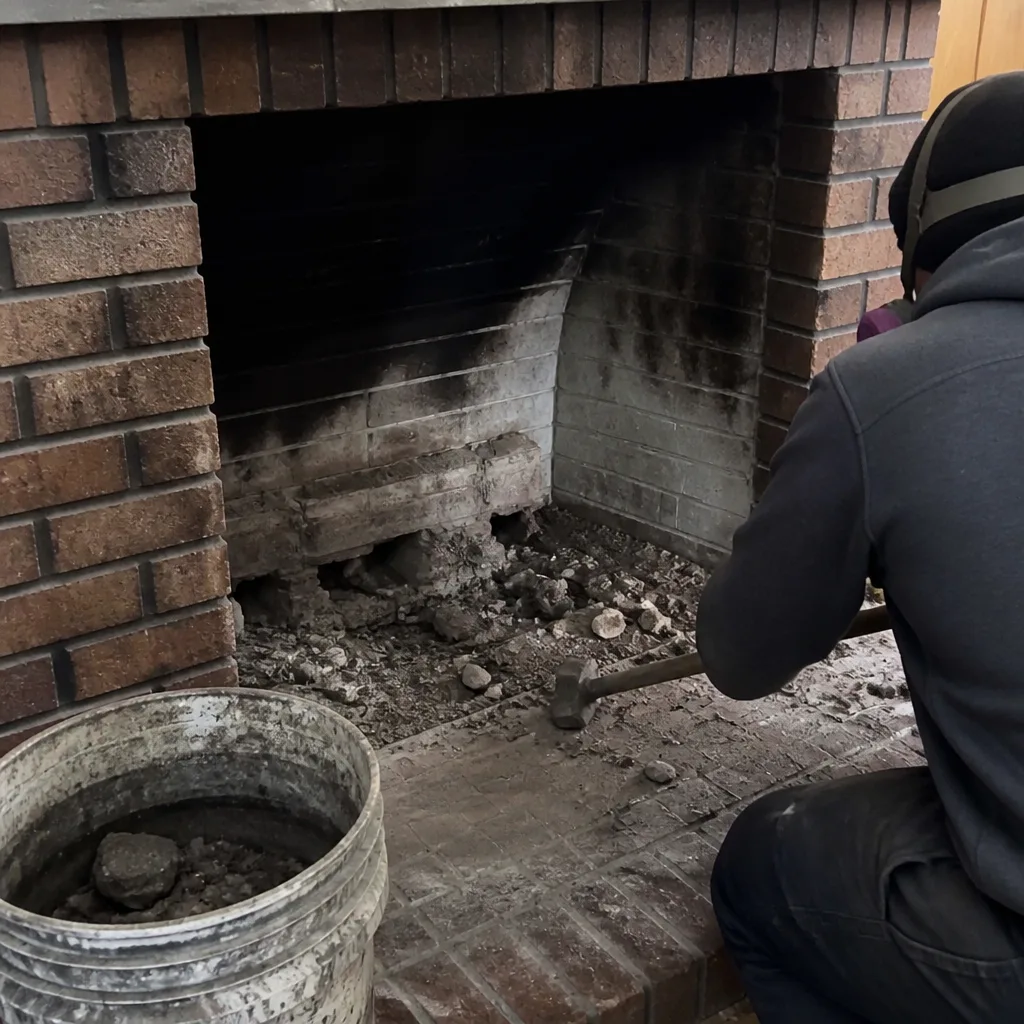 Before
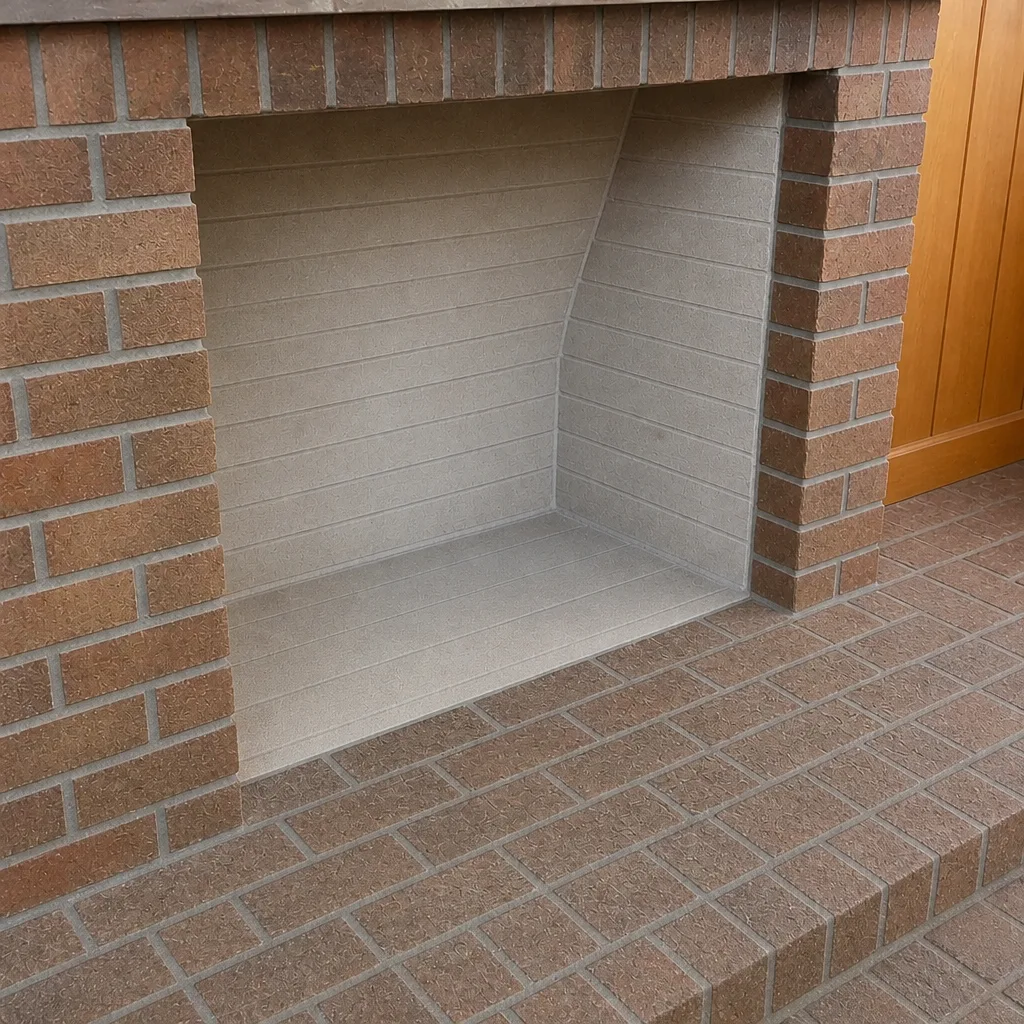 After
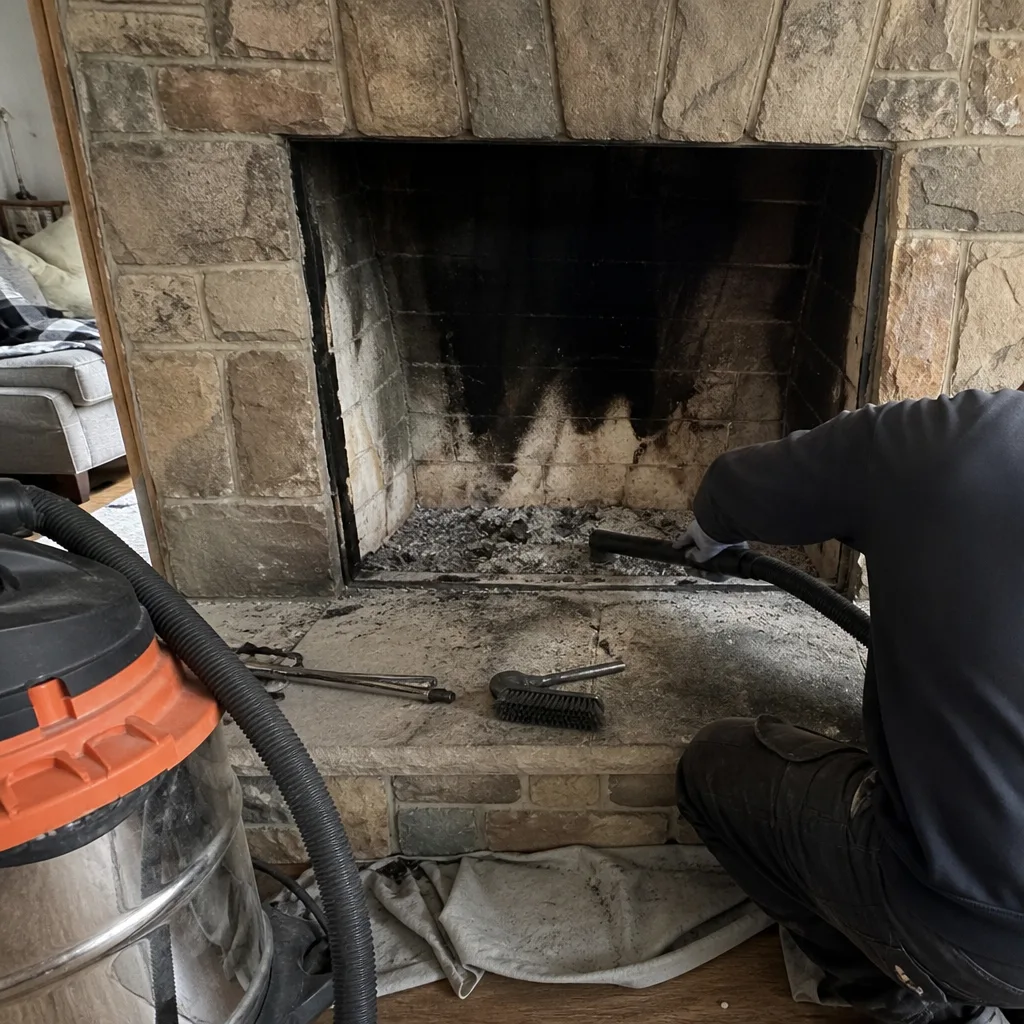 Before
 After
 Before
 After
Frequently Asked Questions
You can physically run a brush through your flue, but a DIY cleaning can’t tell you whether your liner has cracks, whether your creosote is glazed, or whether your draft is working correctly. The mechanical act is possible; the safety assessment isn’t. For most Federal Way homeowners, that gap makes professional cleaning the right call.
Professional chimney cleaning in Federal Way typically runs a modest flat fee per job, often including a basic inspection, and the written estimate sets the final price. Glazed creosote treatment, liner resurfacing, and relining cost more and are quoted after a camera inspection. Call (844) 949-4711 for an exact quote; estimates are free.
A chimney used regularly through the burn season should generally be swept once a year, with an inspection alongside it. If you burn heavily, burn unseasoned wood, or notice creosote smell or poor draft, a shorter interval is worth discussing. A camera inspection gives you the real answer for your specific flue.
Creosote keeps accumulating, and glazed deposits are the fuel for a chimney fire. Liner cracks that go unnoticed let heat reach framing or allow carbon monoxide into the house. Skipping isn’t just about a dirty flue; it’s about losing visibility into a system you can’t see. Call (844) 949-4711 to get an inspection and know where you stand.
You need a new liner if the camera shows cracked or separated tiles, a compromised liner surface, or damage that can’t be safely restored. You don’t need one if the liner is sound. We show you the camera evidence on screen before recommending anything, and we resurface what can be resurfaced using HeatShield before recommending full replacement. Nothing is recommended without evidence you can see.
Not without fall protection. Federal Way’s steep-pitch rooflines put the chimney cap at the worst spot on the pitch, and a slip is a long fall. Professional roof access uses anchors and harnesses for that reason. If the cap or crown needs attention, that work is best handled by someone equipped for it.
A professional sweep includes camera inspection with a photo report, creosote staging and treatment, liner assessment, draft evaluation, and a check of the cap, crown, and flashing. The sweep itself is the easy part; the assessment is what you’re really paying for. Federal Way Chimney Sweep Pros handles all of it under one call.
The Bottom Line
The DIY versus professional debate comes down to what you’re actually trying to accomplish. If the goal is knocking soot off the flue wall, a brush kit works. If the goal is knowing your chimney is safe to burn in, a brush can’t give you that answer, because the answer lives in the liner, the creosote stage, and the draft, none of which a visual check from the firebox or the roof can assess. In Federal Way, where steep rooflines make DIY roof access genuinely dangerous and wet winters stress the crown and cap, the case for professional service is stronger, not weaker. The right role for DIY is monitoring between visits: smoke behavior, creosote smell, cap and crown condition from the ground. Call Federal Way Chimney Sweep Pros at (844) 949-4711 for a free estimate. One call covers your entire chimney, from the firebox to the crown, and nothing is recommended without camera evidence you can see for yourself. We answer 24/7. Fast dispatch from 7am to 7pm, Sunday through Friday.
Written by the team at Federal Way Chimney Sweep Pros.