
Last updated November 24, 2026
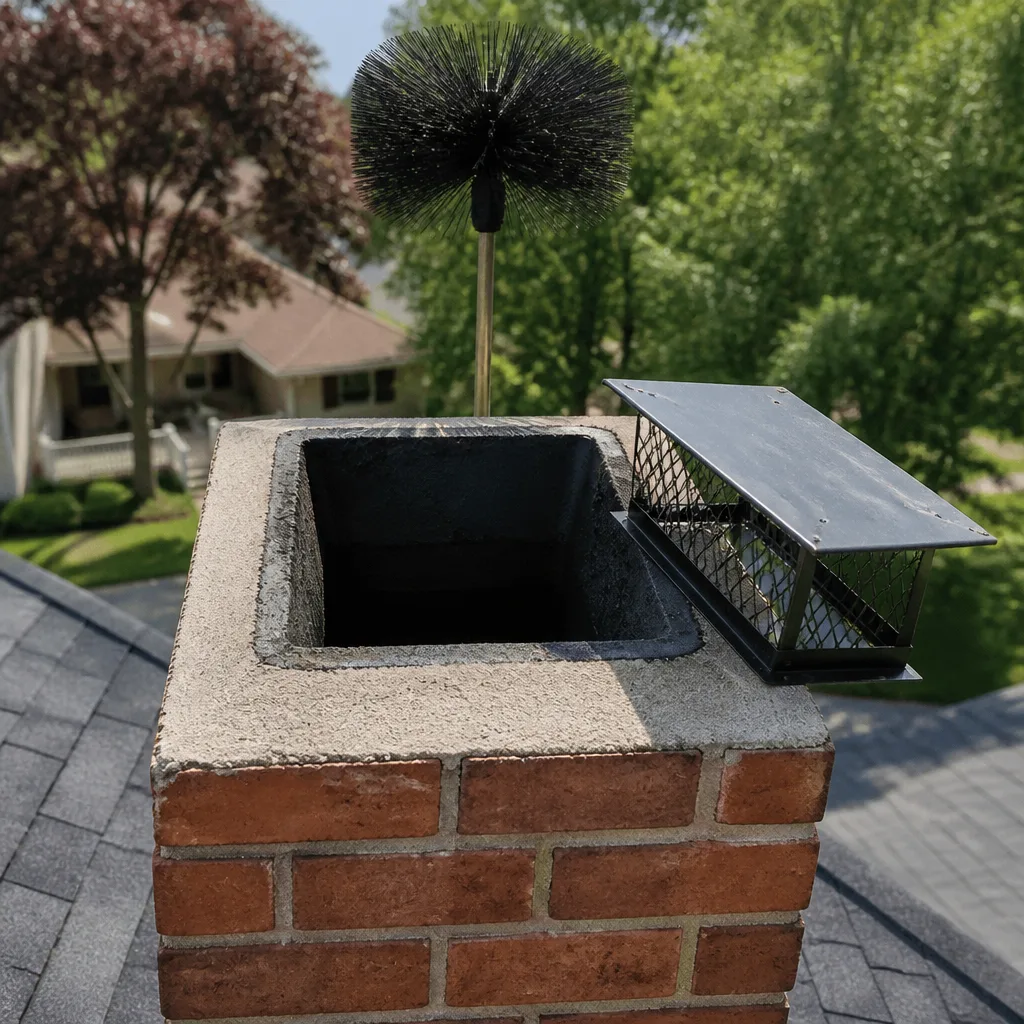 Sweep & inspection
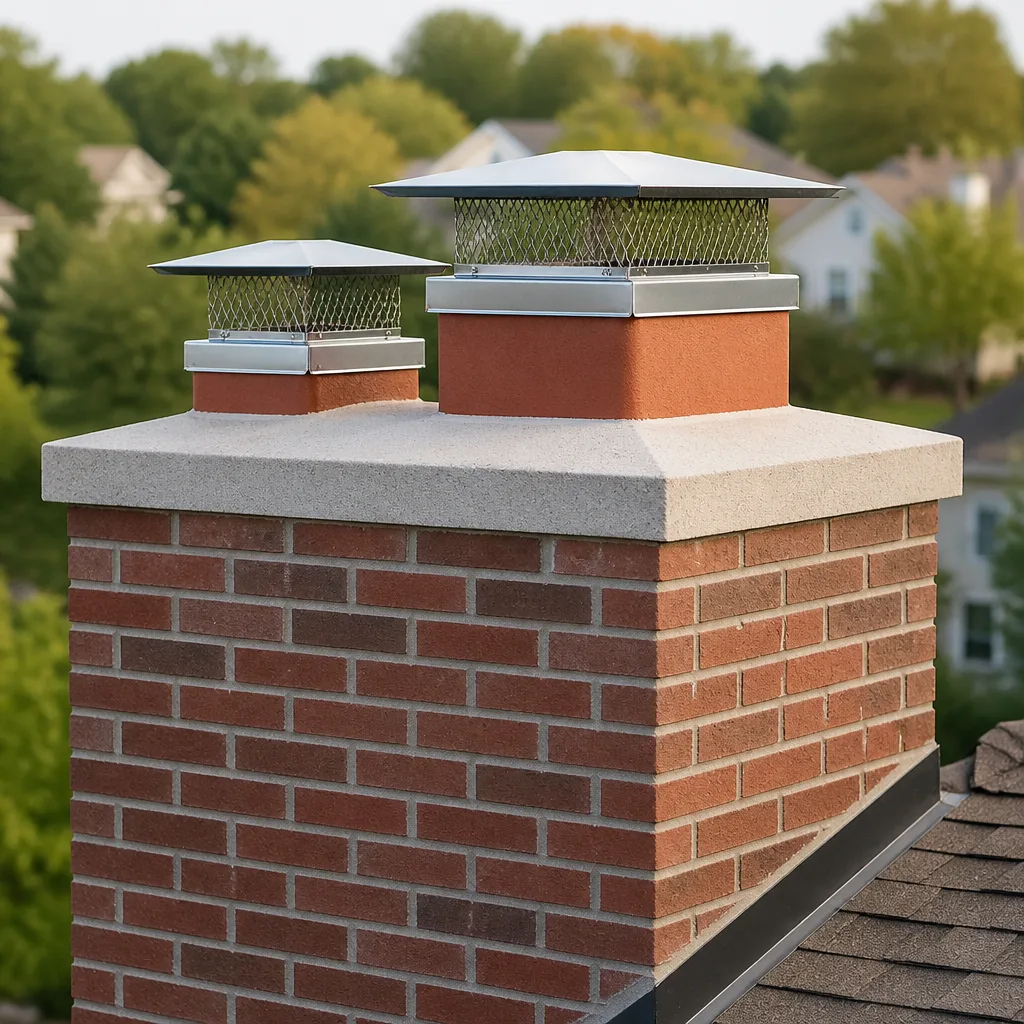 Caps & crowns
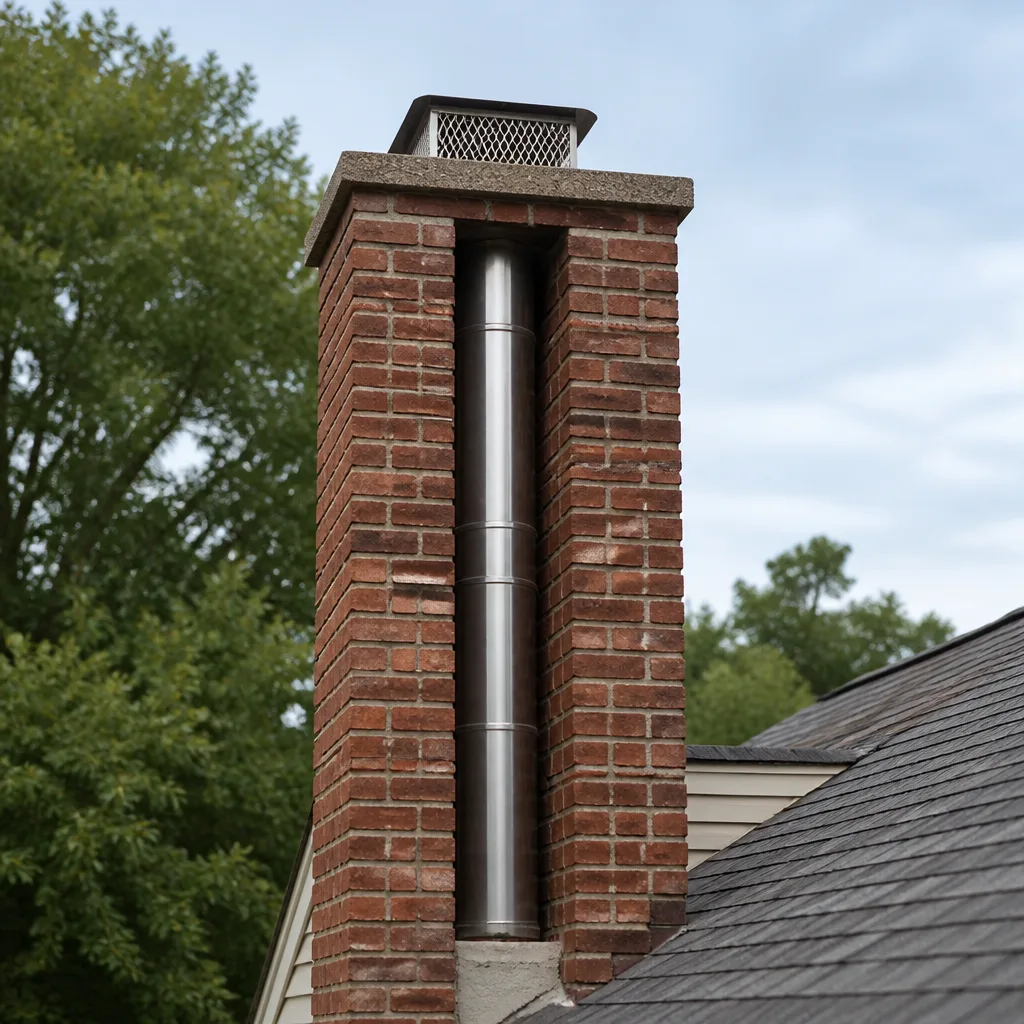 Flue relining
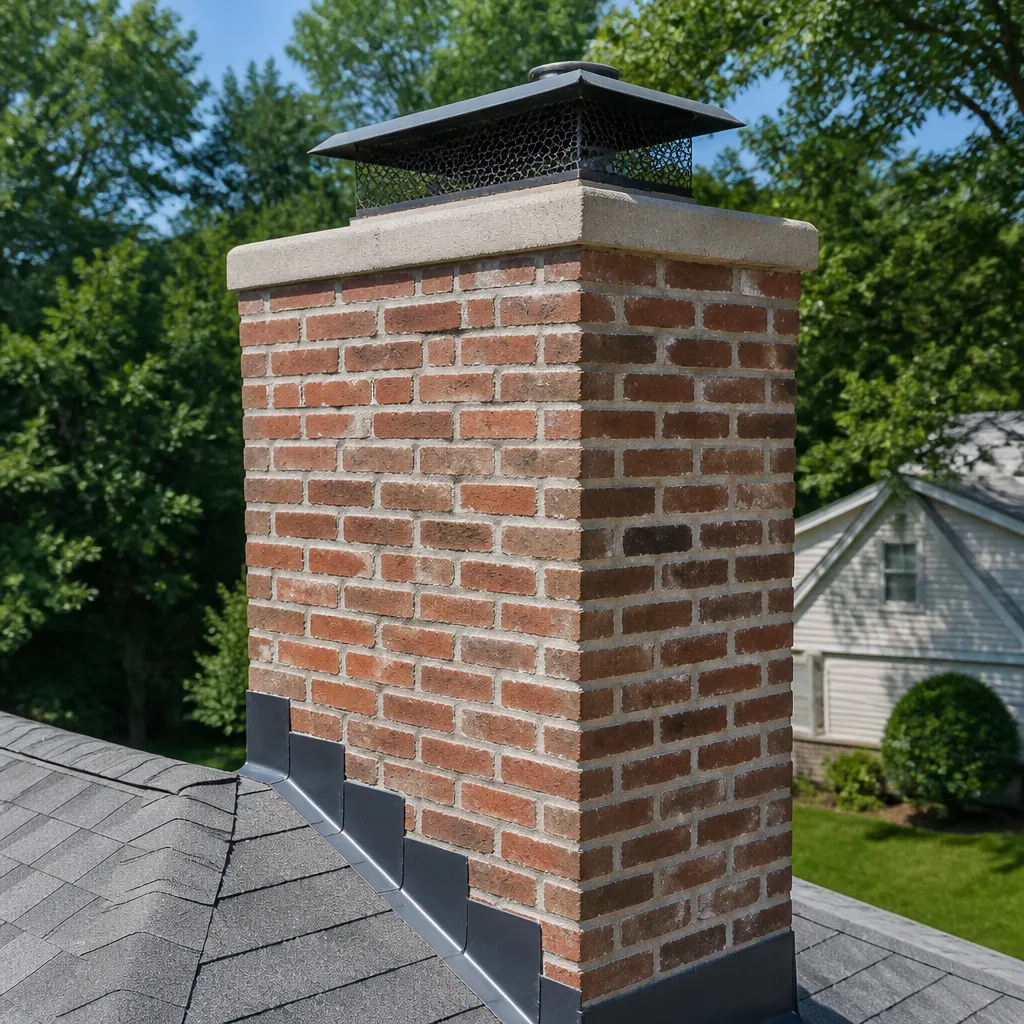 Masonry repair
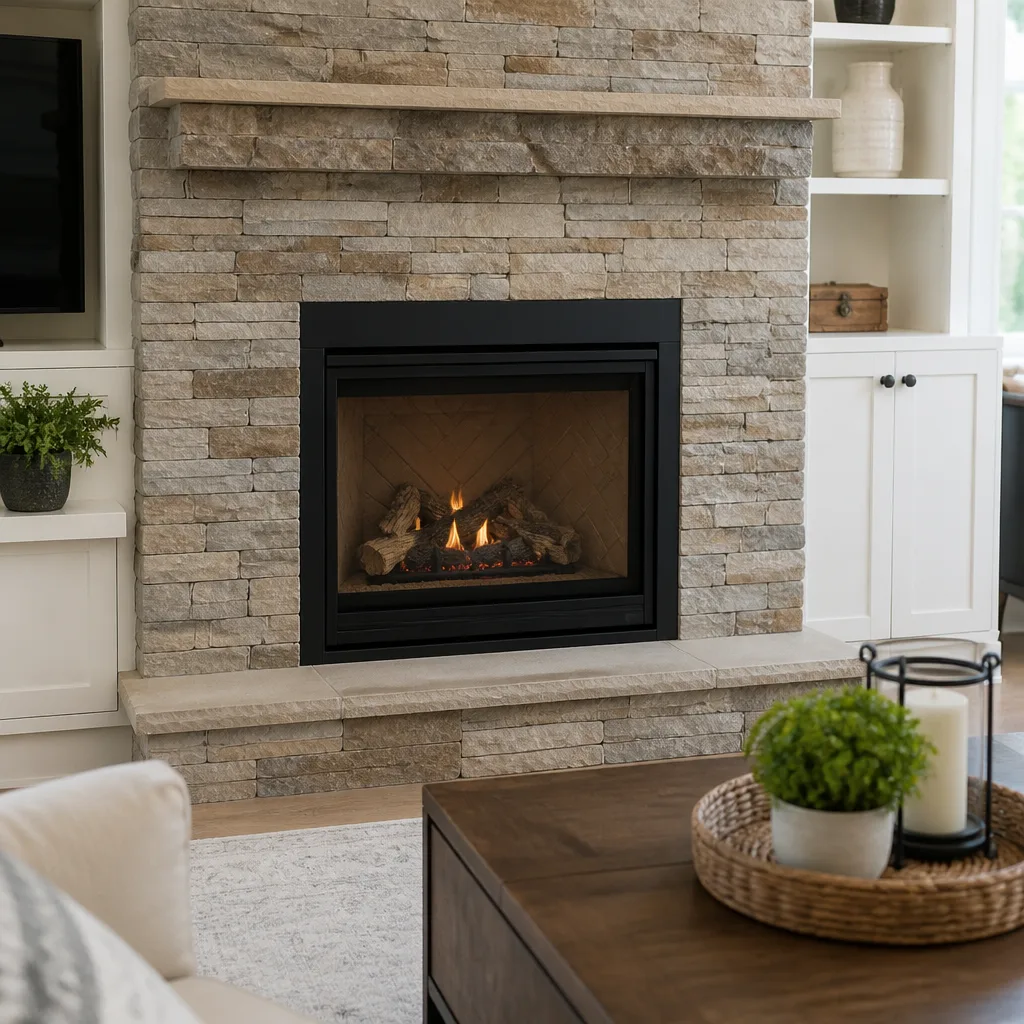 Gas fireplace service
Level 1 sweep and inspection to the NFPA 211 annual standard - flue, crown, cap, and flashing checked and photographed
Chimney sweep logs do not sweep chimneys. They loosen some creosote - which then falls where a brush and vacuum still have to collect it.
Chimney Cleaning Permits, Codes & Inspections in Federal Way, WA: What You Need to Know
Most homeowners assume the permit question starts and ends with the cleaning itself. It doesn’t. Sweeping a flue is maintenance, and in Washington State it doesn’t require a permit. But the repairs a thorough cleaning so often uncovers – a cracked liner, a failed connector, an insert that was never installed to code – are a different story. If a contractor replaces your chimney liner in Federal Way without pulling a permit, you may be unable to sell your home or file a successful insurance claim after a fire, and the liability for that unpermitted work transfers to you as the homeowner. This guide walks through where the permit line actually sits, which codes inspectors reference, and how cleaning documentation protects you when it matters most.
Quick Answer
In Federal Way, routine chimney cleaning and sweeping do not require a permit, but structural work – liner replacement, chimney relining, fireplace insert installation, and any modification to the flue system – does require a permit from the City of Federal Way Community Development department. Inspections reference NFPA 211 for clearances and liner requirements, while the Washington State Building Code governs flue sizing and installation standards. Keep every cleaning and inspection record; it’s your proof of due diligence if an insurance claim ever comes up.
Styles & brands we work with
- Sweep & inspection
- Caps & crowns
- Flue relining
- Masonry repair
- Gas fireplace service
Table of Contents
- Where the Permit Line Sits in Federal Way
- What the Washington State Building Code Says About Chimneys
- NFPA 211: The Standard Inspectors Actually Reference
- WABO Inspectors vs. CSIA Sweeps: Different Scopes, Different Authority
- Why Cleaning Documentation Matters After a Chimney Fire
- How the Federal Way Permit Process Works, Step by Step
- What Happens When Cleaning Uncovers Unpermitted Work
- Federal Way Conditions That Affect Your Chimney System
Where the Permit Line Sits in Federal Way
The simplest way to think about it: cleaning is maintenance, and repairs are construction. Federal Way’s Community Development department issues permits for construction. Cleaning a flue removes creosote and doesn’t alter the structure of the chimney, so it falls outside the permit requirement entirely.
Here’s the plain-language breakdown of what typically does and doesn’t need a permit:
No permit typically required:
- Routine sweeping and creosote removal
- Level 1 and Level 2 inspections (visual and camera-based)
- Chimney cap installation or replacement
- Crown repair or resealing when it’s surface-level work
- Firebox cleaning and minor mortar touch-ups
Permit typically required:
- Liner replacement or relining (including HeatShield resurfacing that changes the flue’s interior dimensions)
- Fireplace insert installation
- Converting a wood-burning fireplace to gas or pellet
- Structural chimney repair – rebuilding above the roofline, masonry reconstruction
- Adding a new chimney or flue to an existing structure
- Any work that changes the flue’s size, shape, or material
One nuance worth flagging: chimney caps and crowns sit in a gray zone. A like-for-like cap replacement usually doesn’t trigger a permit, but a crown rebuild that involves structural masonry often does. When we install caps and crowns through Gelco, Famco, or Copperfield, we check with the city on the scope before any work begins. That’s the kind of pre-check that separates a professional job from one that leaves you holding the paperwork problem. If you’re unsure which side of the line your project falls on, ask the city directly or call us at (844) 949-4711 and we’ll help you sort it out before anything gets scheduled.
What the Washington State Building Code Says About Chimneys
Washington State adopts the International Building Code with amendments, and the chimney provisions live in Chapter 31 of the IBC as adopted. Chapter 31 covers masonry chimneys, factory-built chimneys, and the venting systems connected to them. Two things in that chapter come up again and again during Federal Way inspections: flue sizing and clearance to combustibles.
Flue sizing is where a lot of DIY and cut-rate work goes wrong. The code requires the flue to be sized properly for the appliance it serves. A flue that’s too large for a wood stove or insert loses draft and builds creosote faster. A flue that’s too small won’t vent properly and can push combustion gases back into the home. When we install a DuraFlex flexible liner system, the sizing calculation is part of the job – not an afterthought. DuraFlex liners meet national building code requirements for chimney relining, which matters when an inspector reviews the work.
Clearance to combustibles is the other big one. A chimney needs a specific air gap between its exterior and any wood framing, insulation, or other combustible material. In older Federal Way homes, that gap was sometimes compromised during a remodel – a homeowner insulates an attic and doesn’t realize the insulation is now touching the chimney chase. Inspectors look for this, and so do we.
The full IBC chimney chapter also addresses:
- Required liner thickness and material for masonry chimneys
- Venting requirements for factory-built fireplaces and inserts
- Chimney height relative to the roofline (the “10-3-2 rule” for proper draft)
- Spark arrestor and cap requirements
The short version: the state code sets the baseline, and any work that touches the flue system has to meet it. That’s true whether the work is being inspected by the city or not – but it’s much harder to prove you met the code if the work was done without a permit and without a record.
NFPA 211: The Standard Inspectors Actually Reference
NFPA 211 is the Standard for Chimneys, Fireplaces, Vents, and Solid Fuel-Burning Appliances, and it’s the technical reference most inspectors and chimney professionals reach for when evaluating whether a system is safe. The building code sets the legal requirement; NFPA 211 describes how a system should be constructed and maintained to meet it.
Three areas of NFPA 211 come up during nearly every Federal Way inspection:
1. Clearances. NFPA 211 specifies the minimum distance between a chimney’s exterior and combustible materials. For masonry chimneys, the standard exterior clearance is 2 inches; for interior chimneys, 1 inch. For factory-built systems, the manufacturer’s listed clearance takes precedence. When clearance is compromised, the fix is a proper chimney enclosure or a shielded vent – not more insulation packed against the pipe.
2. Liner types and condition. NFPA 211 requires that solid-fuel appliances be connected to a lined flue. It recognizes clay tile, stainless steel, and listed cast-in-place liner systems. HeatShield is one of those cast-in-place systems – it’s a manufacturer-backed resurfacing product with documented performance standards, which is why it’s the industry standard for restoring a damaged clay liner without a full replacement in the right circumstances.
3. Connector sizing. The pipe that connects an appliance to the flue (the connector) has to be sized correctly, installed with the proper slope, and made of the right material for the fuel type. A wood-burning stove needs a different connector than a gas appliance. Improper connectors are a common reason a chimney fails inspection.
NFPA 211 also defines the three inspection levels – Level 1, 2, and 3 – that CSIA-certified sweeps follow. A Level 1 inspection is a visual check during a routine cleaning. A Level 2 adds a camera scan of the flue interior and is required after any chimney fire, after a change in appliance, or before a real estate transfer. A Level 3 involves opening concealed parts of the chimney and is done when a serious problem is suspected. Knowing which level you need is part of the job.
WABO Inspectors vs. CSIA Sweeps: Different Scopes, Different Authority
This is one of the most misunderstood parts of the chimney process, and it trips up homeowners and sometimes contractors. WABO-certified inspectors and CSIA-certified sweeps serve different roles. One issues permits and inspects construction work on behalf of the city. The other evaluates the safety and condition of your chimney system and performs the maintenance.
WABO (Washington Association of Building Officials) inspectors are certified to review building construction for code compliance. In Federal Way, the WABO-certified inspectors at Community Development review the permitted work on your chimney – the liner replacement, the insert install, the structural repair – and confirm it meets the adopted building code. They issue the permit, they inspect the work at defined stages, and they close the permit when the job is complete. They don’t clean chimneys and they don’t issue safety evaluations of your existing flue.
CSIA (Chimney Safety Institute of America) certified sweeps are trained to inspect, evaluate, and maintain chimney systems. A CSIA-certified sweep performs the Level 1, 2, or 3 inspection defined by NFPA 211, identifies defects, and can recommend and carry out repairs. When our technicians perform an inspection, that’s the scope we’re working within.
When do you need both? Any time permitted work is being done on your chimney. The CSIA-certified sweep diagnoses the issue, recommends the repair, and often performs it; the WABO-certified inspector reviews the permitted work for code compliance. The two roles are complementary, not redundant. A homeowner who gets only the sweep misses the code-compliance sign-off. A homeowner who gets only the inspector misses the diagnostic evaluation that determines what work is actually needed.
If a contractor tells you a permit “isn’t necessary” because the work is small, ask which inspection level it falls under and whether it’s a structural change. Structural changes require permits. Cleaning doesn’t. There’s almost no gray zone between those two poles, so a contractor who can’t explain clearly which side they’re on is worth a second look.
Why Cleaning Documentation Matters After a Chimney Fire
After a chimney fire, insurance investigators ask a predictable set of questions. When was the chimney last cleaned? Who did the work? What did the inspection find? Homeowners who can pull out a written record answer those questions in minutes. Homeowners who can’t find themselves in a much harder conversation – one where the insurer has to make assumptions about maintenance.
Not every chimney fire is a dramatic event with flames shooting out the top. Many are slow, hot burns inside the flue that the homeowner never notices. They damage the liner, warp the damper, and crack the masonry in ways that only show up on a camera inspection. When an adjuster reviews a claim, the maintenance record isn’t just helpful – it’s evidence of due diligence.
A proper maintenance record for your Federal Way home should include:
- The date of each cleaning and inspection
- The name of the company that performed the work and the technician’s certification
- The inspection level performed and the findings
- Photos or camera footage of the flue interior, if available
- Any repairs recommended and whether they were completed
- Any permits pulled and their numbers
We provide a written record of every cleaning and inspection we perform, including the camera footage when we run a Level 2. It’s not paperwork for its own sake – it’s the difference between a smooth claim and a contested one. The same record protects you at a home sale. Federal Way buyers’ agents routinely ask for chimney documentation during escrow, and a homeowner who can produce two or three years of clean inspection records avoids the kind of contingency renegotiation that costs real money.
If a chimney sweep doesn’t offer you a written record of the work, ask for one. Any professional should be able to provide it.
How the Federal Way Permit Process Works, Step by Step
If the work on your chimney requires a permit, here’s how the process typically unfolds. The exact steps depend on the scope of the job, but the sequence is consistent.
- Diagnosis. A CSIA-certified sweep performs an inspection and identifies what’s wrong – a failed liner, a damaged crown, a compromised connector. The diagnosis determines the scope of the permit.
- Scope and estimate. The contractor writes up the work, including materials. For liner work, that often means specifying a DuraFlex system and its sizing calculation.
- Permit application. The application goes to Federal Way Community Development. It describes the work, references the adopted building code, and includes the manufacturer’s listing information for the materials being installed.
- Permit issuance. Once issued, the permit authorizes the work to begin. The permit number should be posted or available on-site.
- Installation. The contractor performs the work. Structural stages may require inspection before the job can proceed to the next stage – for example, before the chimney chase is closed up.
- Inspection. A WABO-certified inspector reviews the work against the code and the permit scope. If everything meets, the inspector signs off.
- Final closure. The permit is closed, and the homeowner should keep a copy of the closure for their records. This document becomes part of the home’s permanent file and is one of the things a buyer’s inspector will want to see.
A few things can go sideways here. The permit can be pulled for the wrong scope – someone applies for a cap replacement but does a full reline. The permit can be pulled by a contractor who isn’t licensed to do the work. Or the work can be done without a permit at all, which leaves the homeowner with a system that functions but doesn’t have a paper trail. Any of those situations can come back to bite at a sale, a refi, or an insurance claim.
When we repair a chimney in Federal Way, the permit question is settled before scheduling. If the scope crosses the permit line, we handle the application. If it doesn’t, we document why the work falls outside the requirement so you’re not caught short later.
What Happens When Cleaning Uncovers Unpermitted Work
This happens more than most homeowners realize. A cleaning starts as routine maintenance and reveals that a previous owner had a liner replaced without a permit, or an insert installed by a contractor who skipped the application. Now the current homeowner is holding a system that functions but isn’t documented, and any new work triggers questions.
The most common scenarios we run into in Federal Way:
- A stainless liner that’s the wrong size. The previous owner or their contractor installed an oversized or undersized liner. It fits, but it doesn’t meet the sizing requirement. The fix is a proper reline with something like DuraFlex, sized correctly, and the work is a permit item.
- An insert with no listed clearance. A fireplace insert was installed without the manufacturer’s required clearance to combustibles. This is both a code issue and a safety issue – and it’s one of the more serious findings.
- A crown installed over a failing chase. The crown looks fine from the roof, but the masonry underneath has been compromised. Someone capped a problem rather than fixing it.
- An unpermitted chimney rebuild. The chimney was rebuilt above the roofline, but the work wasn’t inspected. If the rebuild doesn’t meet the code, the homeowner may face a full re-do.
What we do in these situations is document what we find, take photos or back the findings up with the camera footage, and explain what the code requires. We don’t tell a homeowner they need to tear out a working liner if the current installation is safe and functional – sometimes the appropriate response is documenting the existing installation and moving on, because the code doesn’t retroactively require all older work to be upgraded. But if the existing work is unsafe or is going to be flagged at a sale or insurance review, the homeowner needs to know that before they’re standing in front of a buyer’s inspector.
Our approach on fireplace repair matters here too. We won’t recommend a full liner replacement if a HeatShield resurfacing will restore the existing liner to a safe condition. That’s a genuine alternative in the right circumstances, and it’s not a shortcut. It’s a manufacturer-backed solution that’s used in the trade for a reason.
Federal Way Conditions That Affect Your Chimney System
The Pacific Northwest climate is one of the harder environments on a chimney system, and Federal Way sits in the middle of it. Long, wet winters and humid shoulder seasons mean the exterior of a chimney is exposed to moisture for much of the year. Masonry absorbs water, and repeated freeze-thaw cycles crack and spall the crown and the upper chimney chase. That’s the reason we install chimney caps and crowns using products from dedicated chimney manufacturers like Copperfield and Famco rather than improvised hardware-store materials. The purpose-built products are designed for the exposure these chimneys actually see.
The way Federal Way homes are heated matters too. Many homes in this area were built around wood-burning fireplaces and later converted to gas or pellet inserts. Each conversion changes the way the flue vents, and each one should have been permitted. In older neighborhoods, the chimney chase may have been modified during an attic conversion or a roof replacement, and those modifications sometimes compromised the clearance to combustibles.
Creosote buildup is the other local factor. Wood-burning fireplaces used as supplemental heat – not just ambiance – burn more wood and build creosote faster than fireplaces used occasionally. NFPA 211 recommends annual cleaning and inspection for a reason; a chimney that’s burned heavily through a Federal Way winter often needs attention before the next season starts.
Humidity also affects the flue’s interior. A chimney that sits unused through the summer can develop moisture damage inside the flue – the products of combustion from the last fire, combined with humid air, form an acidic residue that eats at the liner. This is why we recommend a Level 1 inspection before the burning season starts, even if the chimney saw light use the year before.
If you’re not sure when your chimney was last serviced, call us at (844) 949-4711. We answer 24/7. Fast dispatch from 7am to 7pm, Sunday through Friday.
Common Mistakes to Avoid
- Assuming a cleaning includes an inspection. A sweep and an inspection are two different services. Ask which inspection level is being performed – Level 1, 2, or 3 – and get it in writing. A quote for “cleaning and inspection” that doesn’t specify the level is worth clarifying before booking.
- Hiring a contractor who skips the permit for liner work. If a contractor tells you a full liner replacement doesn’t need a permit in Federal Way, that’s a red flag. Structural flue changes are a permit item, and skipping the permit leaves the homeowner holding the liability.
- Not saving the paperwork. Every cleaning record, inspection report, permit number, and camera photo should go in a file. If you sell the home or file an insurance claim, the file is what proves the maintenance was done properly.
- Treating a fireplace insert install as a simple swap. An insert is a listed appliance with specific clearance requirements. Installing one without checking the manufacturer’s listing and pulling the appropriate permit is a common cause of failed inspections at resale.
- Ignoring a cap that’s blown off. Federal Way windstorms take caps off, and an uncapped flue lets rain and animals into the chimney. That leads to liner damage and blocked flues – both of which cost far more to fix than a replacement cap.
- Using a handyman for a liner that needs a permit. A general handyman may not be authorized to pull the permit for structural chimney work, and may not know the sizing requirements in the code. Ask to see the manufacturer’s listing documentation for any liner material before it goes in.
- Skipping the pre-season inspection. The best time to catch a chimney problem is before the burning season, not after. A small crack in the crown in October is a fixable issue; the same crack in January after a storm can be a full masonry repair.
See the difference
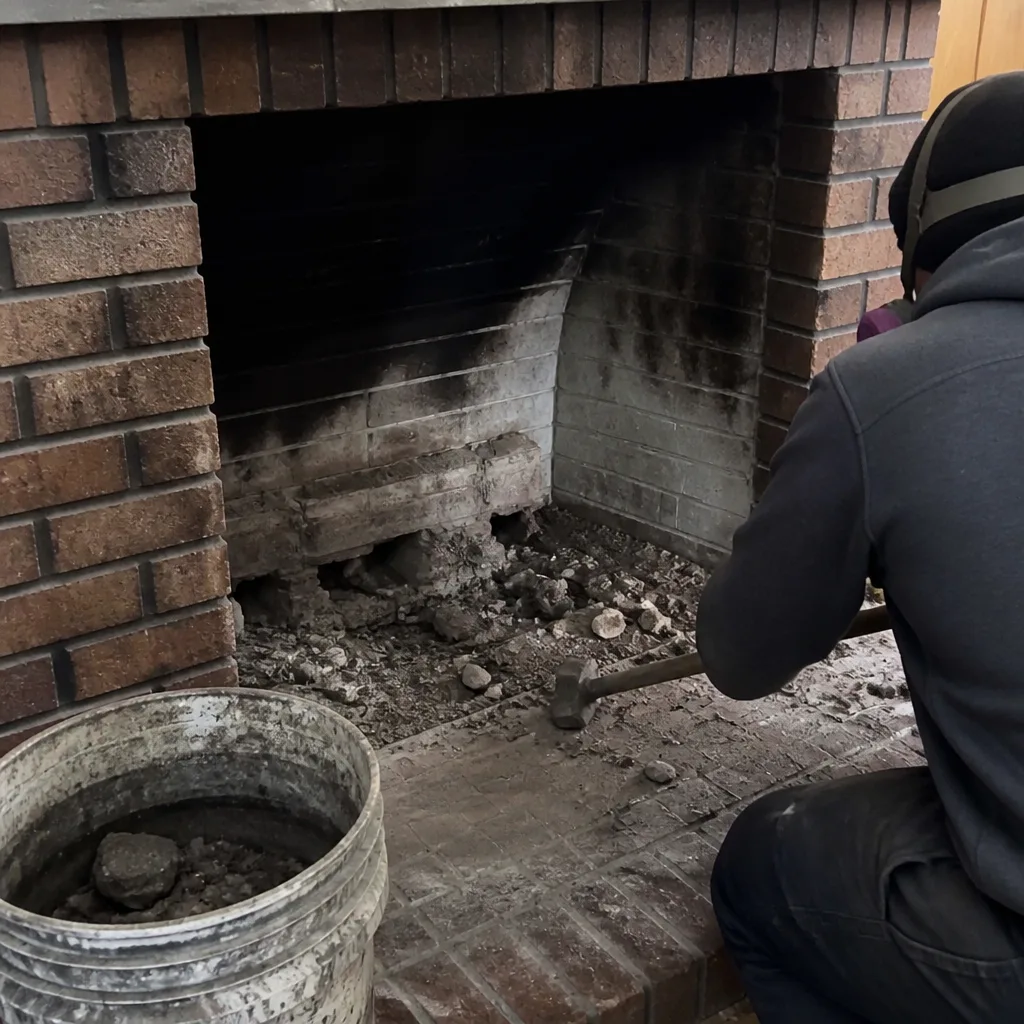 Before
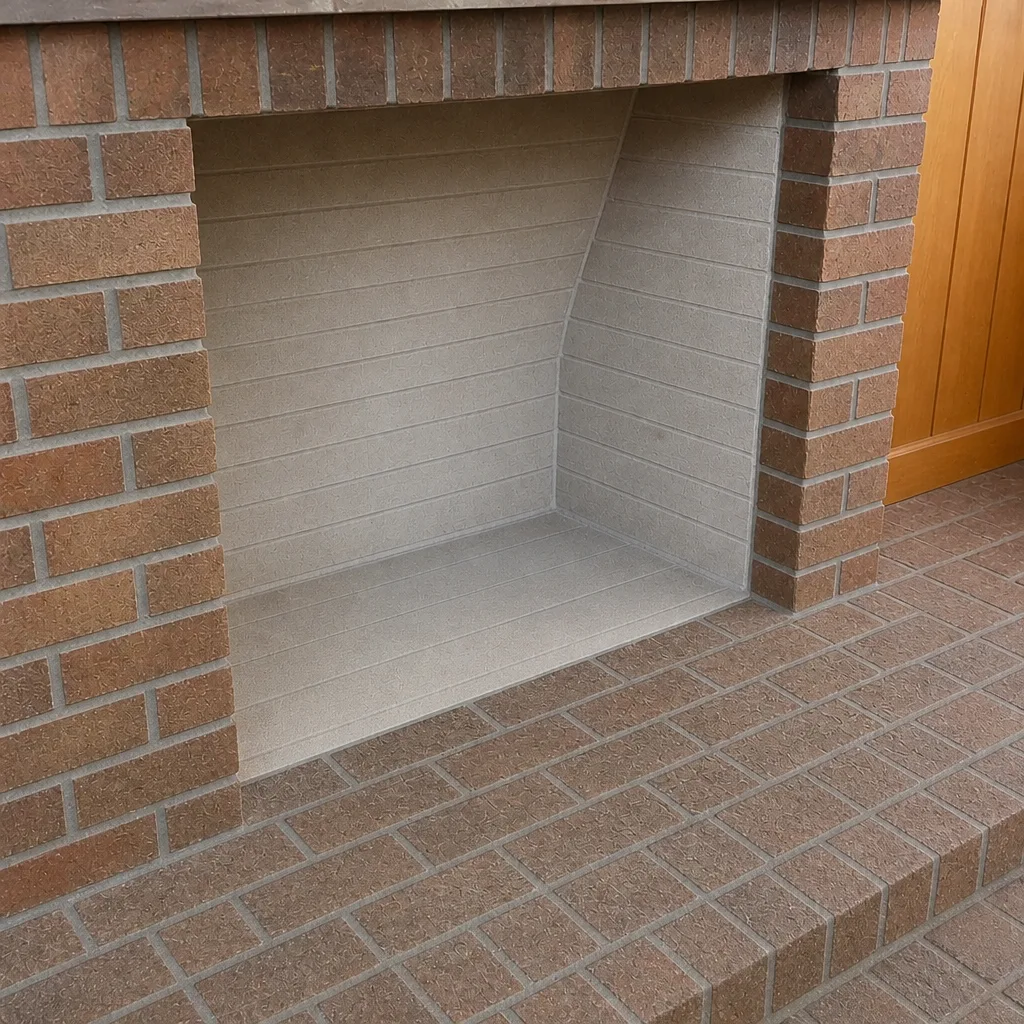 After
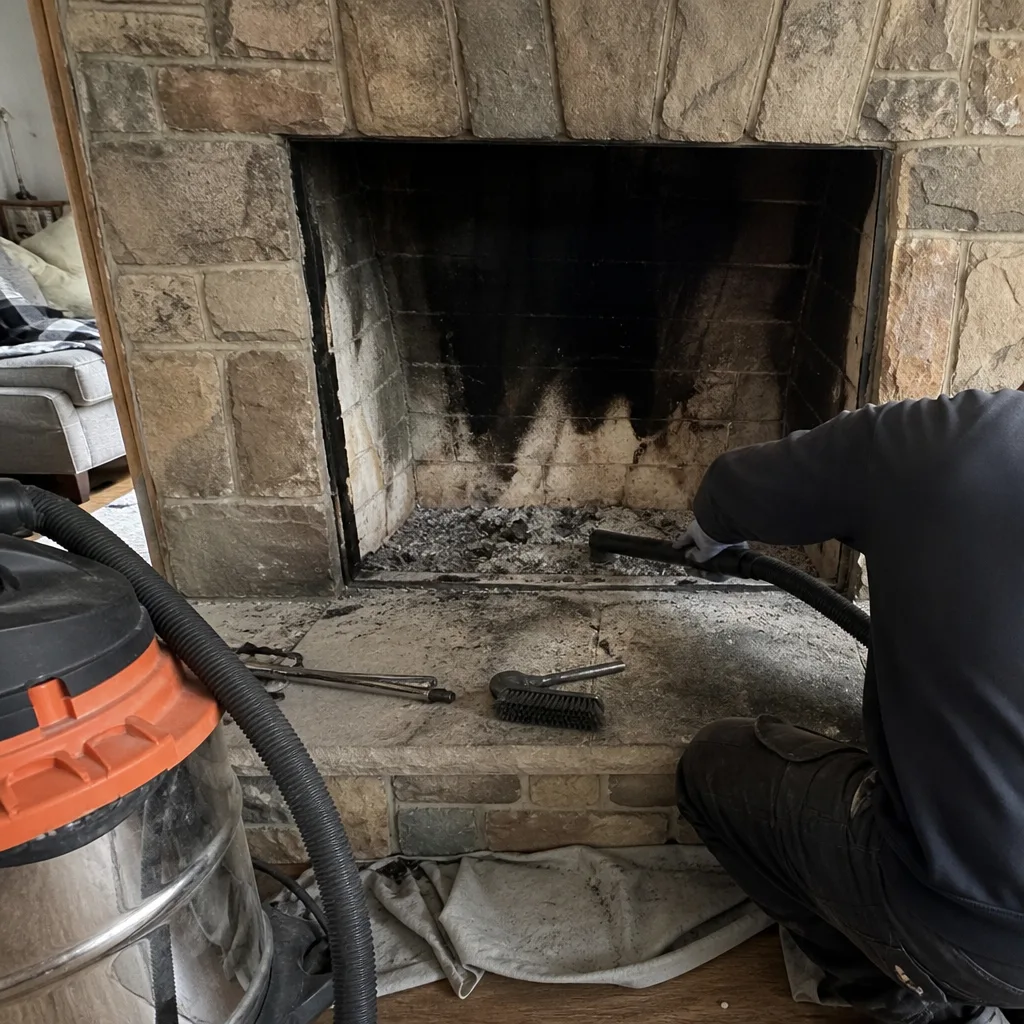 Before
 After
 Before
 After
When to Call a Professional
Call a professional any time the work involves the flue’s interior, the chimney’s structure, or the connection to an appliance. That covers liner replacement, insert installation, chimney rebuilds, and any work that would need a permit from Federal Way Community Development. Also call if you’ve never had the chimney inspected, if it’s been more than a year since the last cleaning, if you’ve had a chimney fire (even a small one), or if you’re buying or selling a Federal Way home and need documentation. And call if you smell smoke in the house when the fireplace isn’t in use, or if the damper doesn’t operate smoothly – those are warning signs that a small problem is turning into a bigger one. Federal Way Chimney Sweep Pros offers free estimates in Federal Way – call (844) 949-4711. We answer 24/7. Fast dispatch from 7am to 7pm, Sunday through Friday.
Frequently Asked Questions
No. Routine chimney cleaning and sweeping do not require a permit in Federal Way or anywhere in Washington State. Cleaning is maintenance, not construction, so it falls outside the city’s permit requirements. If a cleaning uncovers a problem that requires structural work – a liner replacement, an insert install, a chimney rebuild – that work does require a permit. Call (844) 949-4711 for an exact quote – estimates are free.
Liner replacements, chimney relining, fireplace insert installations, structural chimney repairs above the roofline, and any work that modifies the flue’s size or material require a permit. Cap replacement and surface-level crown repair typically do not. When in doubt, ask the city directly or call us at (844) 949-4711 before scheduling the work.
A WABO-certified inspector reviews permitted construction work for code compliance on behalf of the city. A CSIA-certified sweep inspects, evaluates, and maintains the chimney system following the inspection levels defined in NFPA 211. You typically need both when permitted work is being done: the sweep diagnoses and performs the work, and the inspector signs off on the code compliance.
NFPA 211 recommends annual inspection and cleaning as needed for wood-burning chimneys. Homes that burn wood heavily through the winter often benefit from an inspection before the season starts, since creosote builds fastest during heavy use. Gas and pellet appliances have different schedules – call us at (844) 949-4711 and we’ll help you figure out the right interval for your system.
It’s possible, but the unpermitted work will almost certainly come up during the buyer’s inspection, and it often costs more to resolve at that point than it would have to permit correctly. In some cases the buyer will require the work to be brought up to code before closing. If you know or suspect unpermitted work exists, call us for an inspection so you can address it on your timeline instead of the buyer’s.
An insurance claim after a chimney fire is reviewed against the maintenance record and the permitted status of the work. If the liner was replaced without a permit, the insurer may dispute the claim or reduce the payout. Keeping cleaning and inspection records, and pulling permits for any structural work, is the best protection against that situation. Call us at (844) 949-4711 if you need documentation on an existing system before the next burning season.
The Bottom Line
Chimney cleaning itself doesn’t require a permit in Federal Way, but the repairs a cleaning often reveals do. Liner replacements, insert installations, structural relining, and chimney rebuilds all cross the permit line, and they’re a permit item whether the homeowner or contractor pulls it or not. The code that governs the work is Chapter 31 of the IBC as adopted in Washington State, the technical standard inspectors reference is NFPA 211, and the two roles in the process – WABO-certified inspectors and CSIA-certified sweeps – cover different scopes. Document every cleaning and inspection. Pull permits for structural work. And if you’re not sure which side of the line your project falls on, call us before the work begins.
Federal Way Chimney Sweep Pros handles cleaning, inspection, fireplace repair, chimney repair, and cap and crown installation – the full system, end to end. We work with trade-grade materials from brands like DuraFlex, HeatShield, Gelco, Olympia Chimney, Famco, and Copperfield, and we identify the real problem before recommending a fix. Your chimney works harder than you think. So do we.
Call (844) 949-4711 for a free estimate. We answer 24/7. Fast dispatch from 7am to 7pm, Sunday through Friday.
Written by the team at Federal Way Chimney Sweep Pros.