
Last updated November 24, 2026
 Sweep & inspection
 Caps & crowns
 Flue relining
 Masonry repair
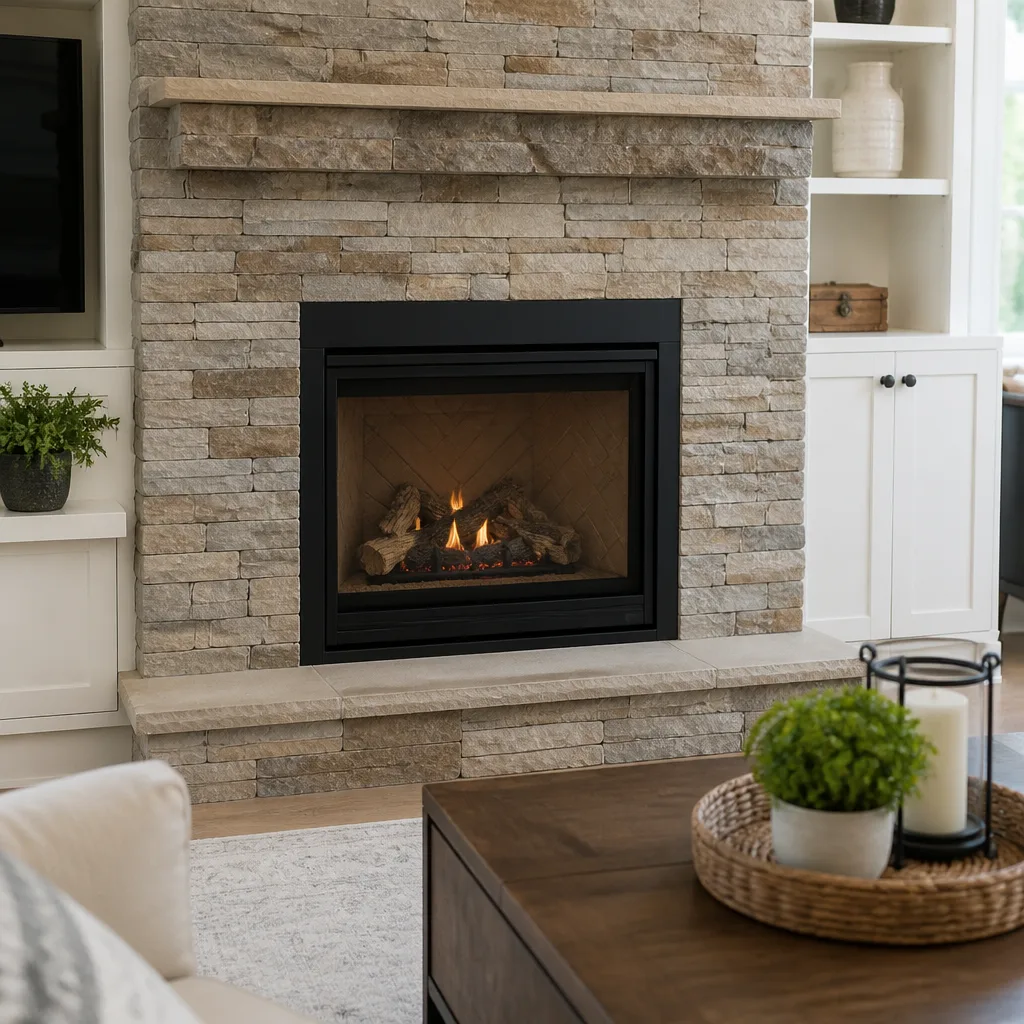 Gas fireplace service
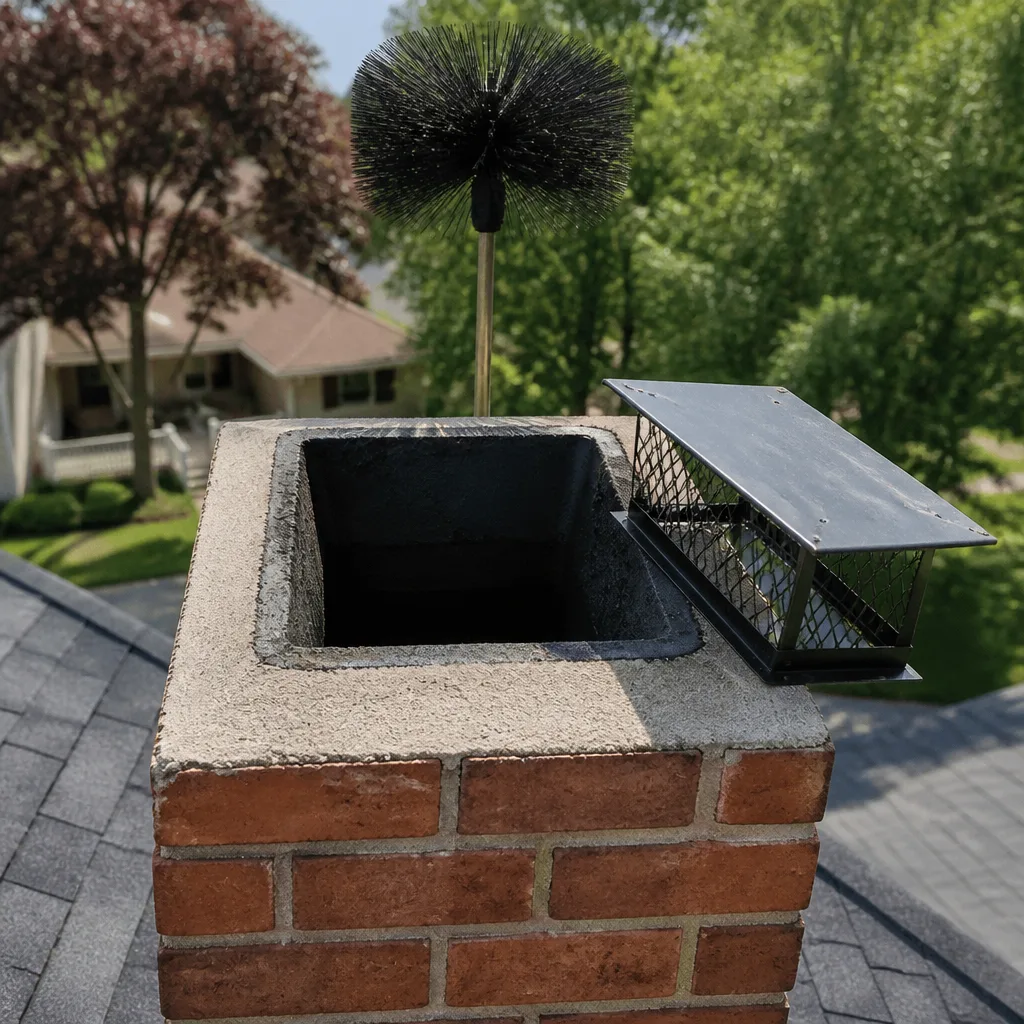
Level 1 sweep and inspection to the NFPA 211 annual standard - flue, crown, cap, and flashing checked and photographed
Chimney sweep logs do not sweep chimneys. They loosen some creosote - which then falls where a brush and vacuum still have to collect it.
Chimney Sweep Maintenance Checklist for Federal Way Homeowners
Your chimney has one job that nothing else in the house shares: it moves combustion gases out of your living space while surviving whatever the weather throws at it. And yet most homeowners never look at it between annual sweeps. The damper alone is the most-used moving part in the whole system and the first thing to fail, but it shows up on fewer than 20% of the generic chimney checklists floating around online. That gap is where small problems turn into expensive ones. This guide walks you through every component in order, tells you what you can safely check yourself, what needs a trained eye, and how to log it all so Federal Way homeowners can spot failure before it spreads.
Quick Answer
The core of a chimney maintenance checklist is a component-by-component review of the crown, cap, flashing, liner, smoke chamber, damper, and firebox, checked for specific pass/fail signs rather than by calendar alone. A sweep and inspection once a year keeps the flue clear, and a simple home walk-around between visits catches weather damage early. Anything involving the liner, offset deposits, or flashing seal failure needs a professional, not a DIY once-over.
Styles & brands we work with
- Sweep & inspection
- Caps & crowns
- Flue relining
- Masonry repair
- Gas fireplace service
Table of Contents
- The Crown: Your First Line of Defense Against Water
- The Cap and Flashing: Keeping Water and Wildlife Out
- The Liner: The Component You Should Never Self-Assess
- The Smoke Chamber: Mirror-and-Flashlight Checks From the Firebox
- The Damper and Firebox: The Moving Parts That Fail First
- Building a Federal Way Maintenance Schedule That Works
- Keeping a Maintenance Log for Insurance and Resale
- What Only a Professional Can Assess
The Crown: Your First Line of Defense Against Water
The crown is the concrete or mortar slab at the very top of your chimney that sheds water away from the flue. When it’s intact, rain rolls off and away. When it cracks, water gets in, and in Federal Way’s freeze-thaw cycles that trapped moisture expands each winter and pries the crack wider. A hairline crack in October is a crumbling crown by February.
Check your crown from the ground with binoculars before you do anything else. Here’s what separates a pass from a fail:
- Pass: The crown is one continuous slab with a slight upward slope away from the flue, no visible gaps, and the mortar between the flue tile and crown is sound.
- Fail: Any crack wide enough to catch a fingernail, a crown that looks crumpled or spalled (flaking), a crown that slopes toward the flue instead of away, or visible separation from the flue tile.
Federal Way sits on a mix of clay and glacial soils that shift with moisture, and that movement stress reaches your masonry over time. Add the freeze-thaw pattern – water in the crack during a wet day, hard freeze overnight, expansion before it thaws – and a small crown defect becomes a structural one faster than most homeowners expect.
What a crown repair actually involves
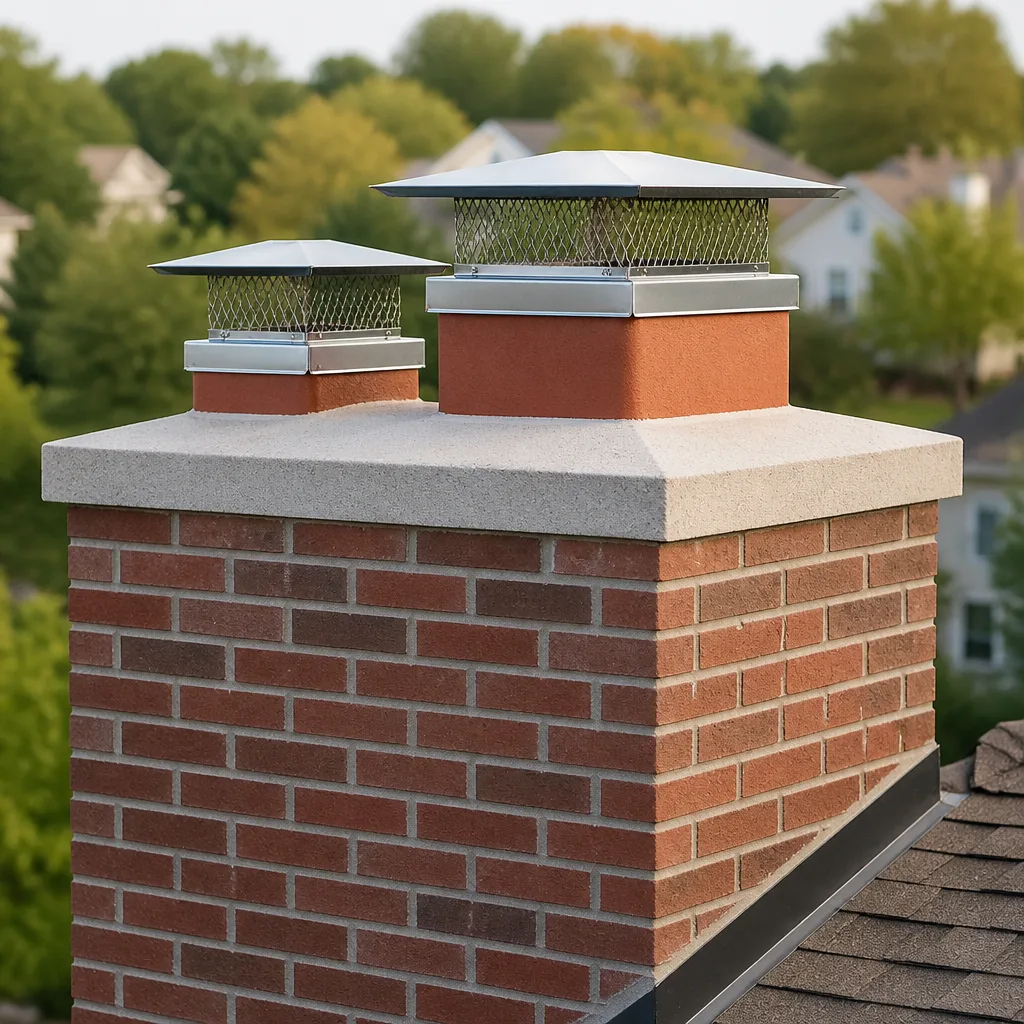
A failing crown gets rebuilt, not patched. That means removing the old slab, reforming the slope, and pouring a crown that directs water well clear of the flue. The caps and crowns we install come from purpose-built chimney manufacturers like Copperfield, Gelco, and Famco – not improvised hardware-store products. A proper crown is one of the cheapest repairs on the whole chimney and one of the most effective at preventing everything downstream of it.
The Cap and Flashing: Keeping Water and Wildlife Out
A chimney cap does two jobs: it stops rain from falling straight down the flue, and it keeps birds, squirrels, and raccoons out. Both fail quietly. You won’t notice a missing cap until a nest is blocking your flue or water is rusting out your damper.
Quick answer on the cap: It passes if it’s securely attached, rust-free, and its mesh sides are intact with no tears. It fails if it’s loose, tilted, missing mesh, or shows heavy rust – rust means the metal is thinning and it’s nearly ready to drop.
Flashing is the metal seal where your chimney meets the roof. This is where most leaks begin, and it’s the item most homeowners mistake for a roof problem. Check your flashing for these specific signs:
- Look at the metal strips where chimney meets shingles. Lifted, curling, or missing edges are a fail.
- Run a hand along the tar or sealant line – cracking or gaps mean the seal is breaking down.
- Check for rust streaks running down the chimney, which point to water tracking under the flashing.
- Look for water stains on the ceiling or rafters near the chimney inside the attic. This is the clearest sign flashing has already failed.
Flashing seal failure is not a self-repair. Roof work at height is genuinely dangerous, and a seal that looks fine from the attic can be admitting water in ways you can only see from the roof itself. That’s a call-a-professional item, every time.
The Liner: The Component You Should Never Self-Assess
The liner is the flue surface that contains combustion gases and directs them up and out. It’s also the one component you should never judge for yourself. Why? Because from the firebox you can’t see offset deposits, cracked tiles above the smoke chamber, or gaps in a liner that’s failed higher up the run. A homeowner glancing up the flue and seeing “looks fine” is the single most common false reassurance we run into.
What a trained inspection actually looks for:
- Cracked or missing flue tiles, or gaps between tiles
- Heavy or uneven creosote deposits, especially glazed creosote that a brush alone won’t remove
- Corrosion or separation in metal liners
- Signs of moisture intrusion behind the flue
- Whether the flue is sized correctly for the appliance connected to it
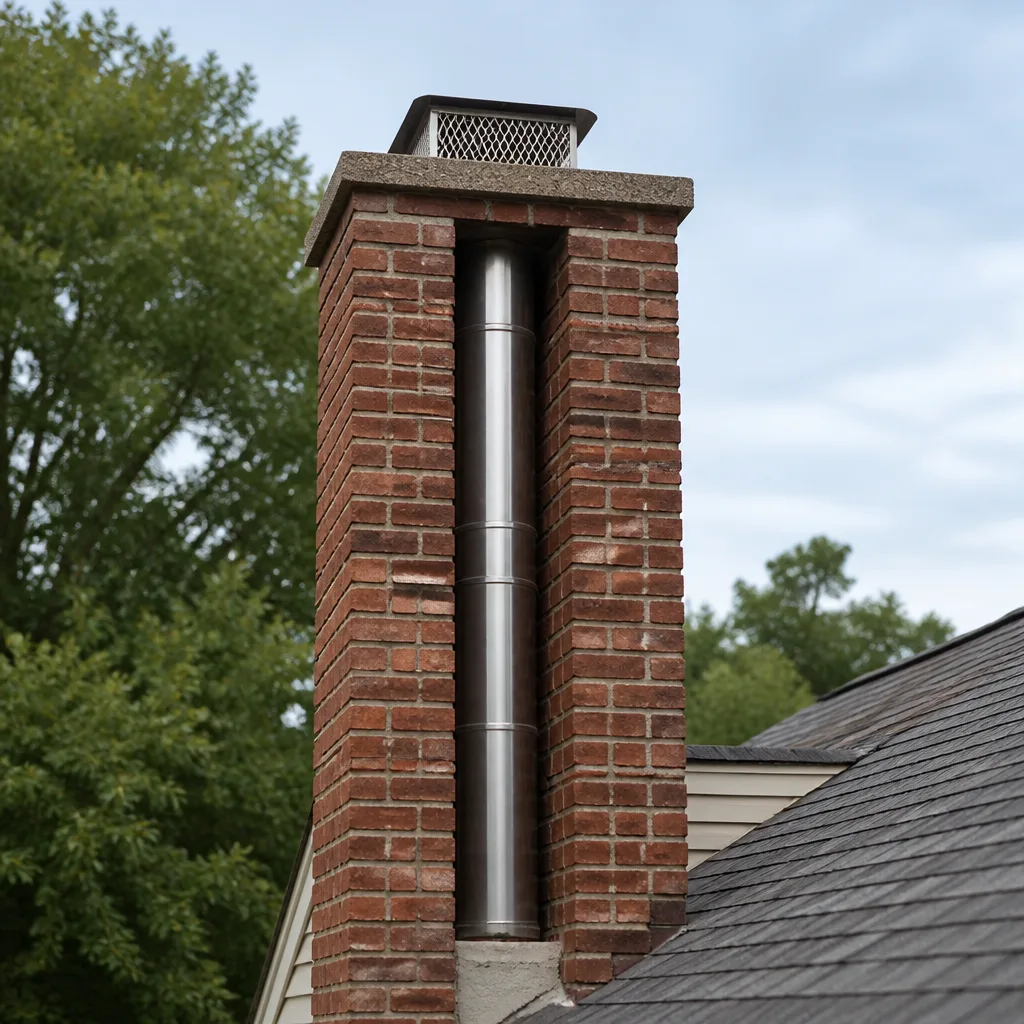
When a liner needs attention, we resurface it with HeatShield, an industry-standard restoration system with documented performance standards, or install a DuraFlex flexible liner system for cases that need full relining. DuraFlex systems meet national building code requirements for chimney relining, and they fit complex flue configurations that some companies simply won’t take on. Both approaches extend the life of a chimney that a less careful outfit might tell you needs to be torn down.
Safety note: A damaged liner can let carbon monoxide and heat reach combustible material in the structure. This is not an item to patch or defer. If an inspection finds a liner problem, treat it as urgent and have it repaired by a qualified professional.
The Smoke Chamber: Mirror-and-Flashlight Checks From the Firebox
The smoke chamber is the sloped area above the damper that funnels smoke into the flue. Its surfaces should be smooth and sealed. Rough, corbeled masonry – the jagged stepped brick many older chimneys have – gives smoke eddies something to cling to, which leads to creosote buildup and slower drafts, especially in a cold climate where people run the fire hard.
You can get a decent look at your smoke chamber with a flashlight and a hand mirror from inside the firebox, without special tools. Here’s how to do it safely:
- Make sure the fire is completely out and the firebox is cold. No warm embers, no exceptions.
- Open the damper and shine a bright flashlight up into the chamber above it.
- Angle a mirror on a stick to see the surfaces you can’t see directly – the walls and sloped sides.
- Look for rough, jagged masonry, heavy black deposits that look tar-like rather than powdery, or surfaces that flake when you scrape lightly with a screwdriver handle.
- Note any gaps or cracks in the chamber walls, and any staining that suggests water is getting in.
Powdery soot is normal and gets swept away. Glazed, tar-like creosote that’s hard to scratch indicates a deeper problem and needs professional attention, because it burns hot and is the kind of deposit that drives chimney fires. The smoke chamber is an inspection item – don’t attempt to chip or scrape anything loose up there yourself.
The Damper and Firebox: The Moving Parts That Fail First
The damper is the most-used moving part in your whole chimney system. Every fire opens and closes it. Metal fatigues, hinges loosen, and the seal warps. A damper that doesn’t close properly lets heated air escape up the flue all year and lets cold air and moisture into the firebox when you’re not burning. If a single component deserves a monthly check, this is it.
Damper pass/fail: It passes if it opens fully, closes snugly with no visible gap, and moves without grinding or sticking. It fails if it’s loose on its hinges, warped, or won’t seat closed – usually because rust, soot, or a bent frame has gotten in the way. A damper that won’t close is an energy leak as well as a draft problem. Damper issues get repaired as part of our fireplace repair work, and it’s often a smaller job than homeowners expect.
The firebox – the interior chamber where the fire sits – is where you check for the following:
- Brick or firebrick that’s cracked, spalling, or loose in the joints
- Mortar joints that have worn away between firebricks
- A back wall or floor that has worn thin from years of heat
- Any gap where fire could reach the frame behind the firebox
Small hairline cracks in firebrick aren’t automatically a red flag, but cracks that are wide, getting wider, or that you can fit a coin into need professional evaluation. The firebox is the hottest part of the system – don’t patch firebrick with general-purpose mortar, which won’t hold up to the heat.
Building a Federal Way Maintenance Schedule That Works
A calendar alone isn’t a schedule. What actually keeps a chimney in working order is pairing a yearly professional sweep and inspection with simple home checks at the right times of year. In Federal Way, the rhythm is driven by the wet-season stretch from fall into spring, when freeze-thaw stress on masonry is highest and fireplaces get heavy use.
Use this sequence:
- Early fall (before your first fire): A full sweep and inspection by a professional. Check the crown, cap, and flashing from the ground with binoculars. Test the damper for smooth movement and a snug close.
- Every month during burn season: Operate the damper fully open and closed. Do a quick mirror-and-flashlight look at the smoke chamber. Check the firebox for new cracks.
- Midwinter: Recheck the crown from the ground for any new cracks after freeze-thaw cycles. Look for water stains on the ceiling near the chimney inside the house.
- Spring (after final fire): Sweep again if you burn heavily. Check the cap for rust and the flashing for lifting edges. Log everything.
- Any time: After any storm that drops limbs or causes obvious roof damage, check the cap and flashing visually. Storm and impact damage is worth a look even without hail, which is uncommon in Federal Way.
If you burn daily through the winter, the yearly sweep may need to become two sweeps. If you burn a dozen fires a season, one is usually plenty. The inspection tells you which you are – which is why we say the sweep and inspection work together, not the sweep alone.
Keeping a Maintenance Log for Insurance and Resale
Every repair and sweep you log is evidence. Evidence that the chimney was maintained when you go to sell, evidence if a claim ever gets contested, and evidence to yourself of when each part of the system was last touched. A simple paper notebook or a spreadsheet works fine. The format matters less than the habit.
Log these fields for every visit:
- Date of sweep or inspection
- Who performed the work and what was found (e.g. “heavy creosote on smoke chamber” or “crown hairline crack noted”)
- Parts replaced or materials used – note the brand, e.g. “HeatShield liner resurfacing” or “Copperfield cap installed”
- Photos of the crown, cap, and flue before and after
- Any recommended work deferred to next season, and why
In a resale, a homeowner who can show a documented chimney history is in a stronger negotiating position. The buyer’s inspector will find whatever the log already says, and a documented record of proactive maintenance beats a mystery. Keep a copy of the log with your home’s other maintenance records.
What Only a Professional Can Assess
There’s a hard line between what a careful homeowner can check and what needs trained eyes and the right equipment. Knowing where that line is protects you – and it’s a big part of why vague contractor diagnoses can be frustrating. Here’s the split:
- Self-check: Damper movement, firebox cracks, smoke chamber surface from the firebox with a mirror, cap from the ground, crown hairline cracks from the ground, water stains inside the house.
- Professional only: Liner integrity and offset deposits, flashing seal failure from the roof, correct flue sizing, the full interior of the flue above the smoke chamber, and structural issues in the masonry stack.
Our technicians have up to 12 years of experience diagnosing exactly this kind of gap between what looks fine and what’s actually failing. When we inspect, we show you the evidence – video and photos – so a recommendation to repair is something you can see for yourself, not take on faith. When work can safely wait, we tell you that too.
Federal Way’s mix of older masonry chimneys and newer prefabricated systems means the answer differs house to house, which is why we inspect before we recommend. A full-service company handles the sweep, the inspection, the chimney repair, the cap and crown install, and the liner work under one roof – no need to call three contractors and hope they agree. Born from brands pros rely on, we source our DuraFlex, HeatShield, Olympia Chimney, and Famco materials from trade-trusted suppliers because the parts determine how long a repair lasts.
Common Mistakes to Avoid
- Treating a sweep as a once-a-year checkbox. The sweep clears the flue; the component checklist catches the rest. Skipping the crown, cap, and damper checks means the sweep only tells you about the flue, not the chimney.
- Assuming a missing cap or torn mesh is harmless. Animals nest in open flues every season. If you see a cap that’s loose or torn, treat it as urgent rather than “next summer.”
- Declaring the flue “fine” after a quick look up. Offset deposits and cracked tiles higher up are invisible from the firebox. You can’t see what the camera sees.
- Patching a cracked crown with roofing cement. It traps water instead of shedding it, and the freeze-thaw cycles turn the patch into a bigger crack by spring.
- Using general-purpose mortar on firebrick. Firebox temperatures will destroy it fast. Firebrick needs firebrick-rated material.
- Ignoring a damper that won’t close tightly. It’s an energy leak and a draft problem that a trained technician can fix – cheaper than replacing the fireplace.
- Never logging anything. When you go to sell or file a claim, a log of what was done and when is worth more than the receipts in a drawer.
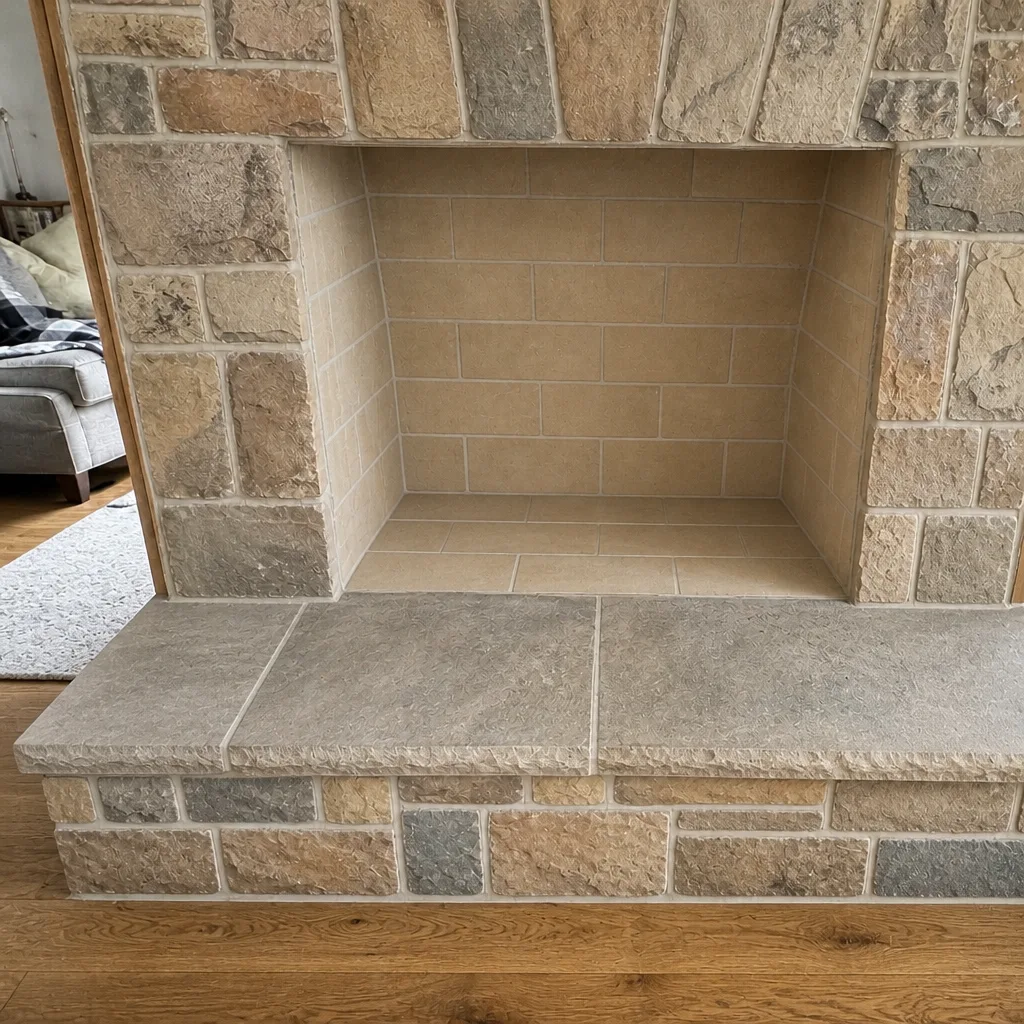
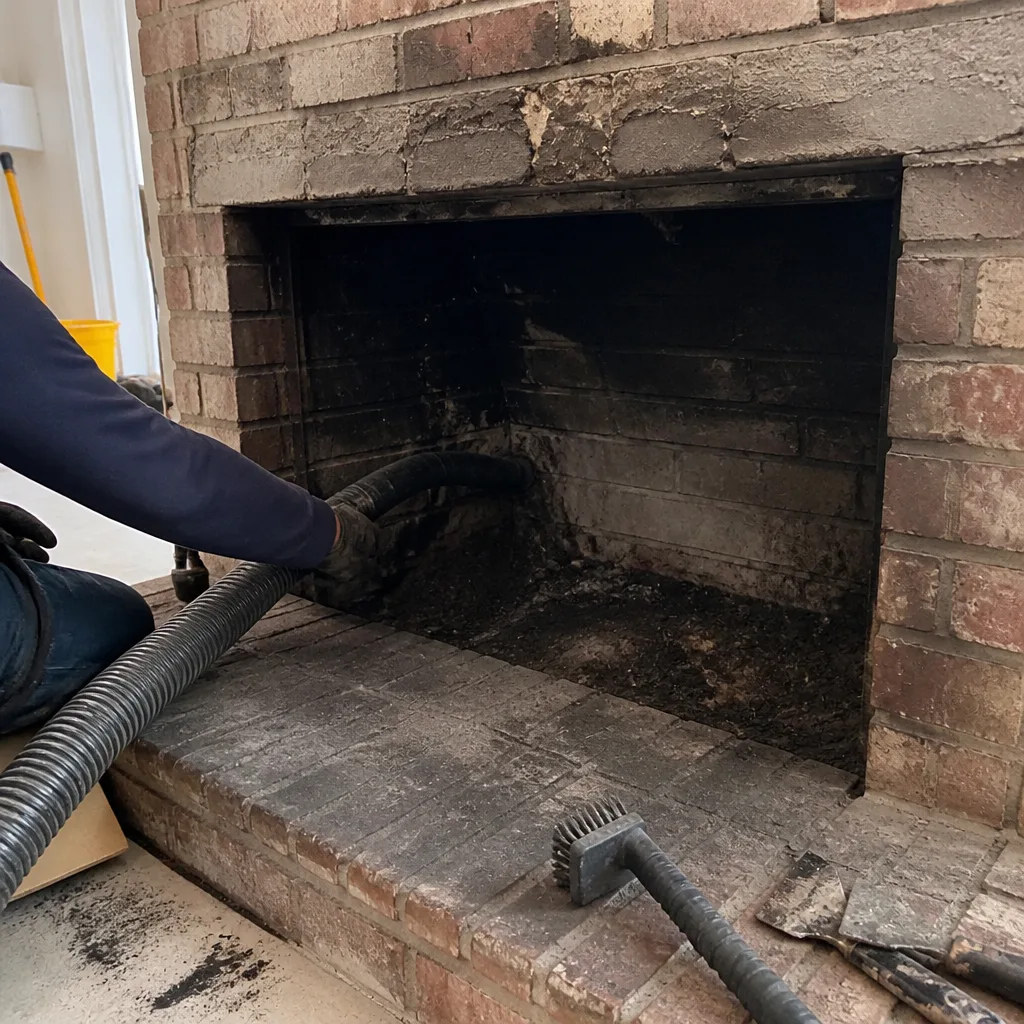
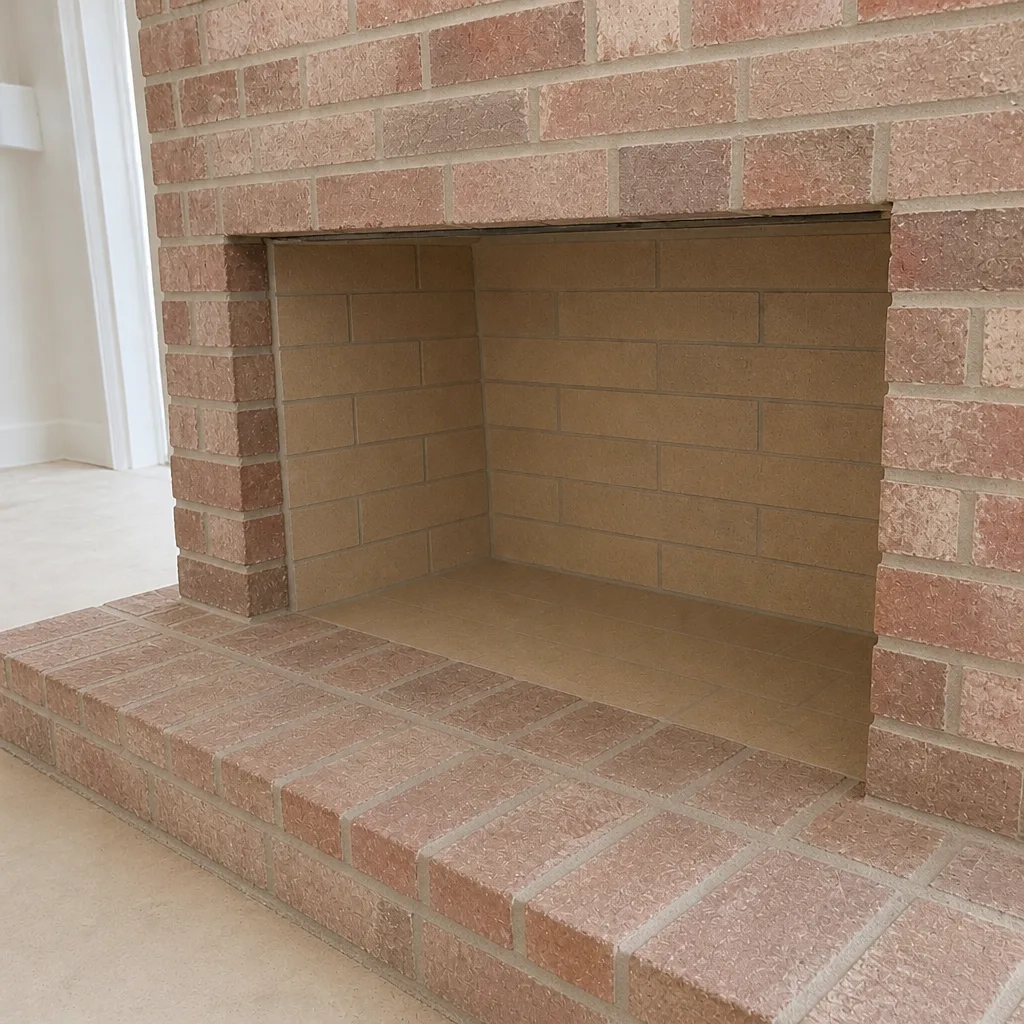
See the difference
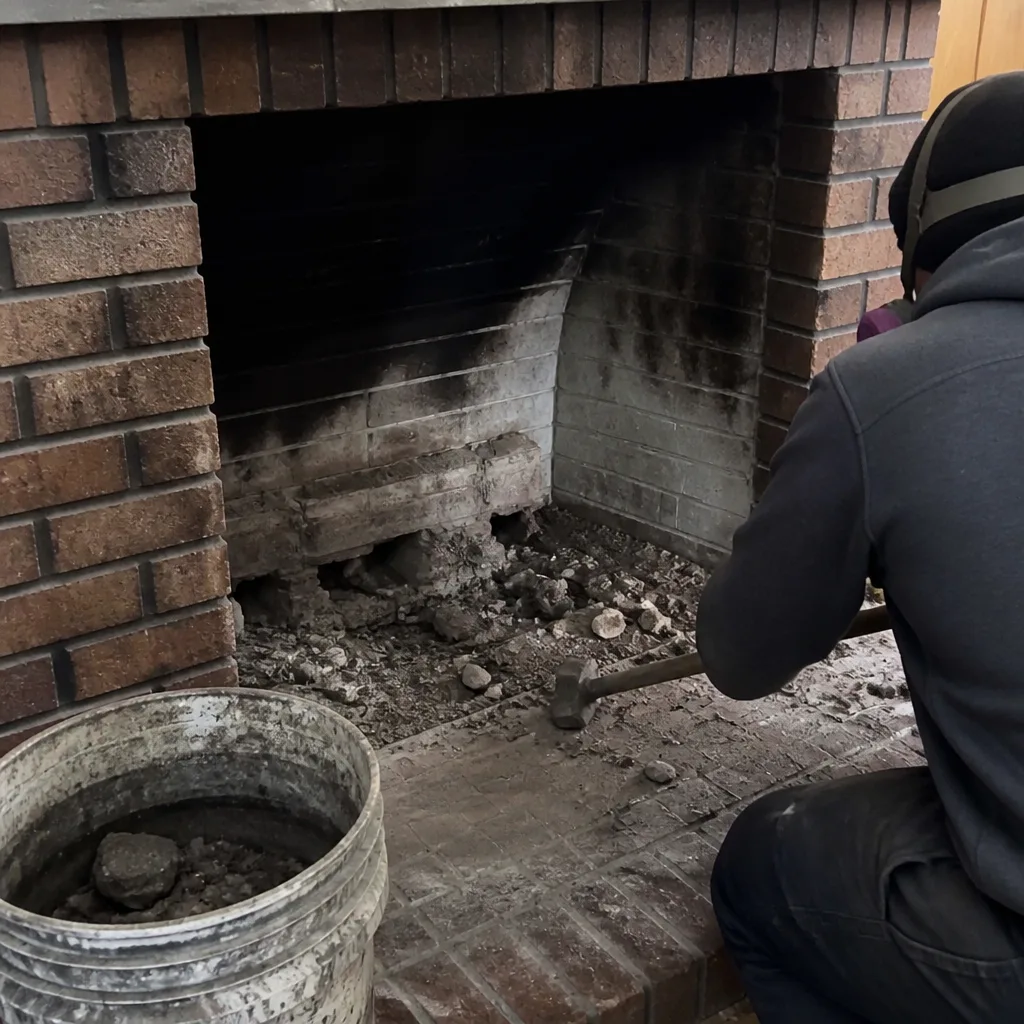 Before
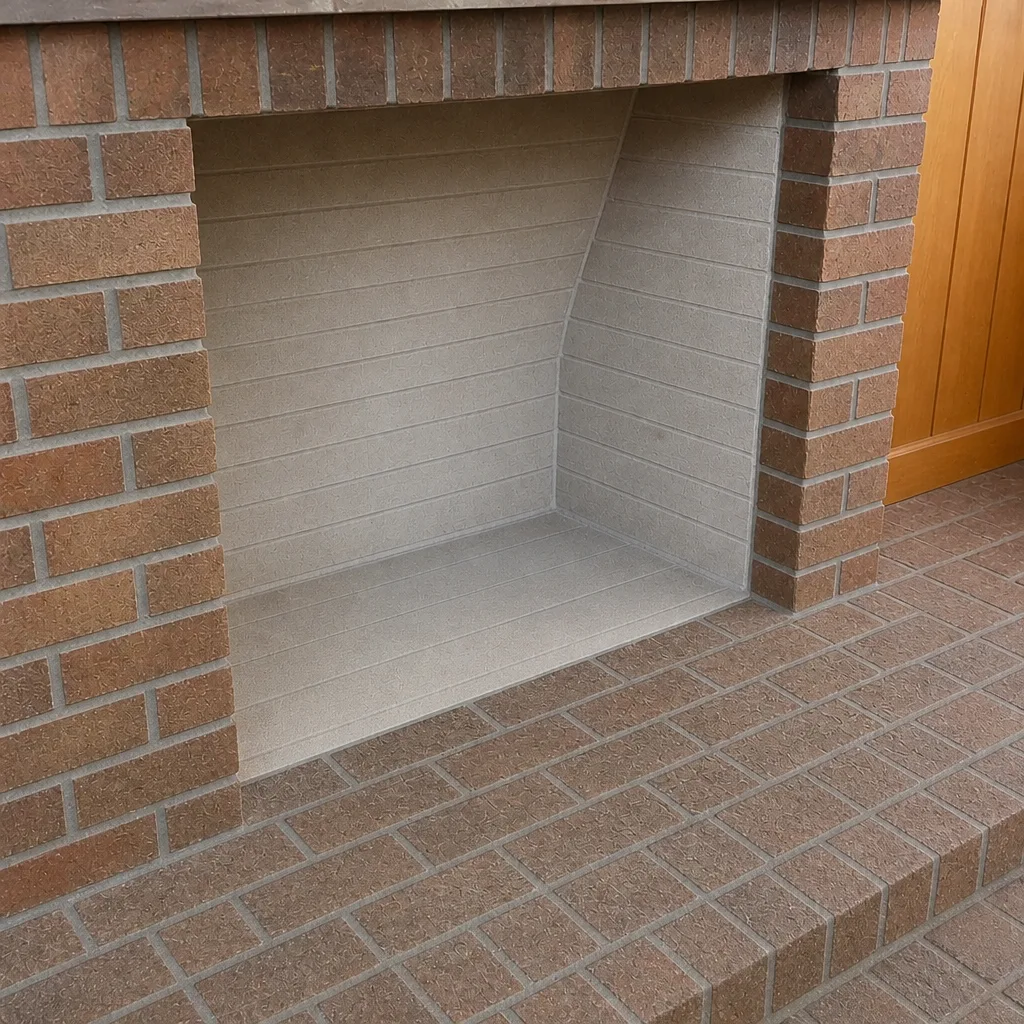 After
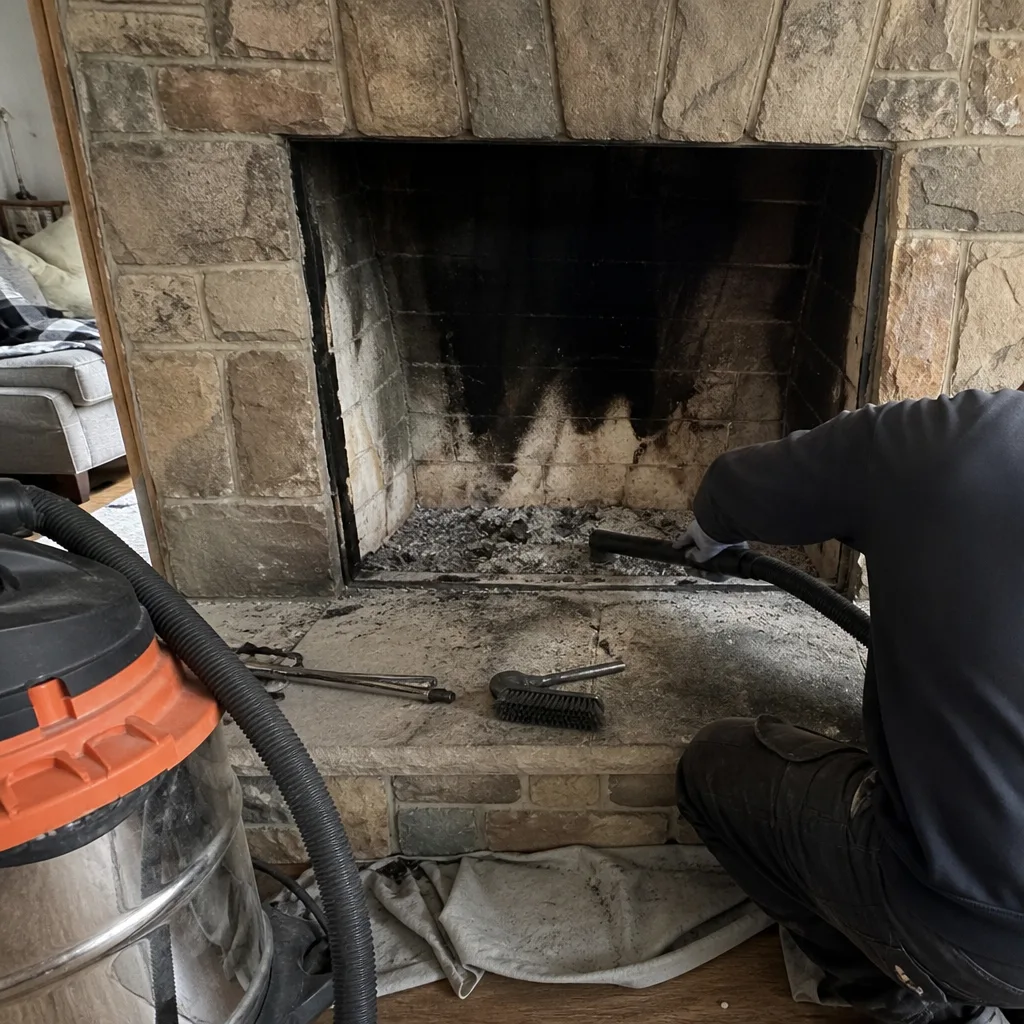 Before
 After
 Before
 After
When to Call a Professional
Call for a professional inspection if any of the following is true: your crown has a visible crack, your cap is loose, tilted, or missing mesh, you see water stains near the chimney indoors, or your flashing is lifting or rusting. Call urgently if you smell smoke indoors when the fireplace isn’t in use, if your firebox has open or widening cracks, or if you find glazed, tar-like creosote in the smoke chamber. And call on the normal yearly schedule regardless – a sweep and inspection once a year is the baseline. Federal Way Chimney Sweep Pros offers free estimates in Federal Way. Call (844) 949-4711.
Frequently Asked Questions
Once a year for most homeowners, and twice if you burn daily through the winter. Annual is the baseline because a yearly inspection catches the crown, cap, and flashing issues a home check can miss, and it keeps the flue clear of creosote. Call the sweep right after your final fire of the season or just before the first fire of the next. Call (844) 949-4711 for an exact estimate.
Yes on the first part – the damper is the most-used moving part in the system and usually the first to fail. And yes, you can check it yourself: open it fully, close it with no gap, and feel for grinding or sticking. If it fails, the repair is often simple. Call (844) 949-4711 to book a fireplace repair estimate.
Yes – a flashlight and a hand mirror from inside the firebox will let you see the smoke chamber surfaces and spot rough, jagged masonry or glazed deposits. What you can’t do from the firebox is see up the flue above the smoke chamber. That needs a professional. Call (844) 949-4711 for an inspection that includes a camera view.
A failing crown shows hairline cracks, spalling or flaking, or a slope that runs toward the flue instead of away. In Federal Way’s freeze-thaw cycles, water in a hairline crack expands each winter and widens the crack, so a small crown defect becomes a big one across a couple of seasons. Call (844) 949-4711 if you see cracks from the ground.
Liner integrity, offset deposits higher up the flue, and flashing seal failure from the roof are the three that genuinely require a trained eye and proper equipment. Trying to check these yourself risks missing the real problem or, on the roof, actual injury. Call (844) 949-4711 for a full professional inspection.
Yes – a maintenance log documents every sweep, repair, and part replaced, which matters for insurance claims, resale, and simply knowing when each part of the system was last touched. Keep it with your home records and add to it after every visit. Call (844) 949-4711 to schedule a sweep and start your log.
The Bottom Line
A chimney maintenance checklist works best as a component-by-component review, not a calendar reminder to call the sweep. Check the crown, cap, and flashing from the ground. Test the damper monthly. Do mirror-and-flashlight smoke chamber checks from the firebox. Leave liner integrity, offset deposits, and flashing seal failure to trained eyes. Book a yearly sweep and inspection, keep a log of everything, and the chimney stays ahead of the problems that get expensive. Federal Way Chimney Sweep Pros covers the whole system – cleaning, inspection, fireplace repair, chimney repair, and cap and crown installation – with trade-grade brands like DuraFlex, HeatShield, Olympia Chimney, and Famco. Start with the chimney sweep page or call us for your yearly appointment.
Ready to get your chimney on a maintenance schedule? Call (844) 949-4711 for a free estimate. We answer 24/7. Fast dispatch from 7am to 7pm, Sunday through Friday.
Written by the team at Federal Way Chimney Sweep Pros.