
Last updated November 24, 2026
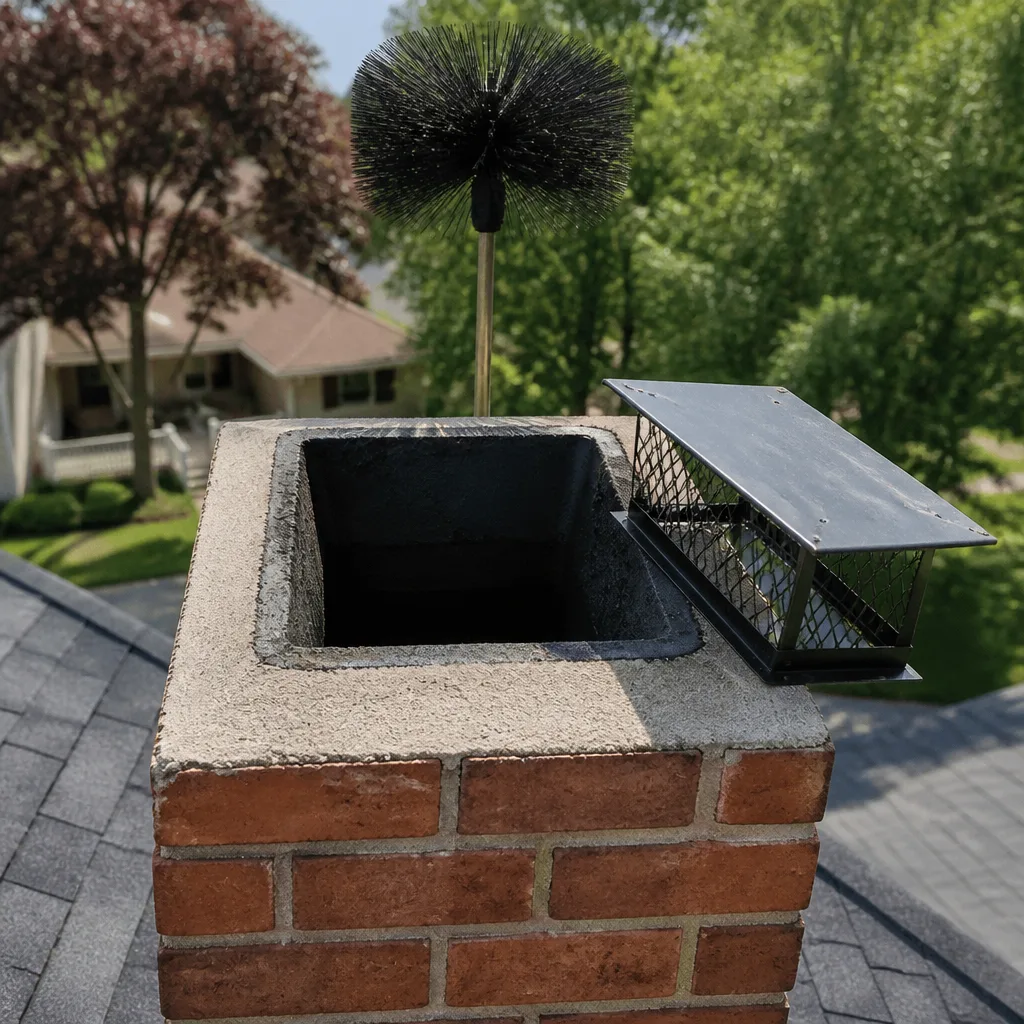 Sweep & inspection
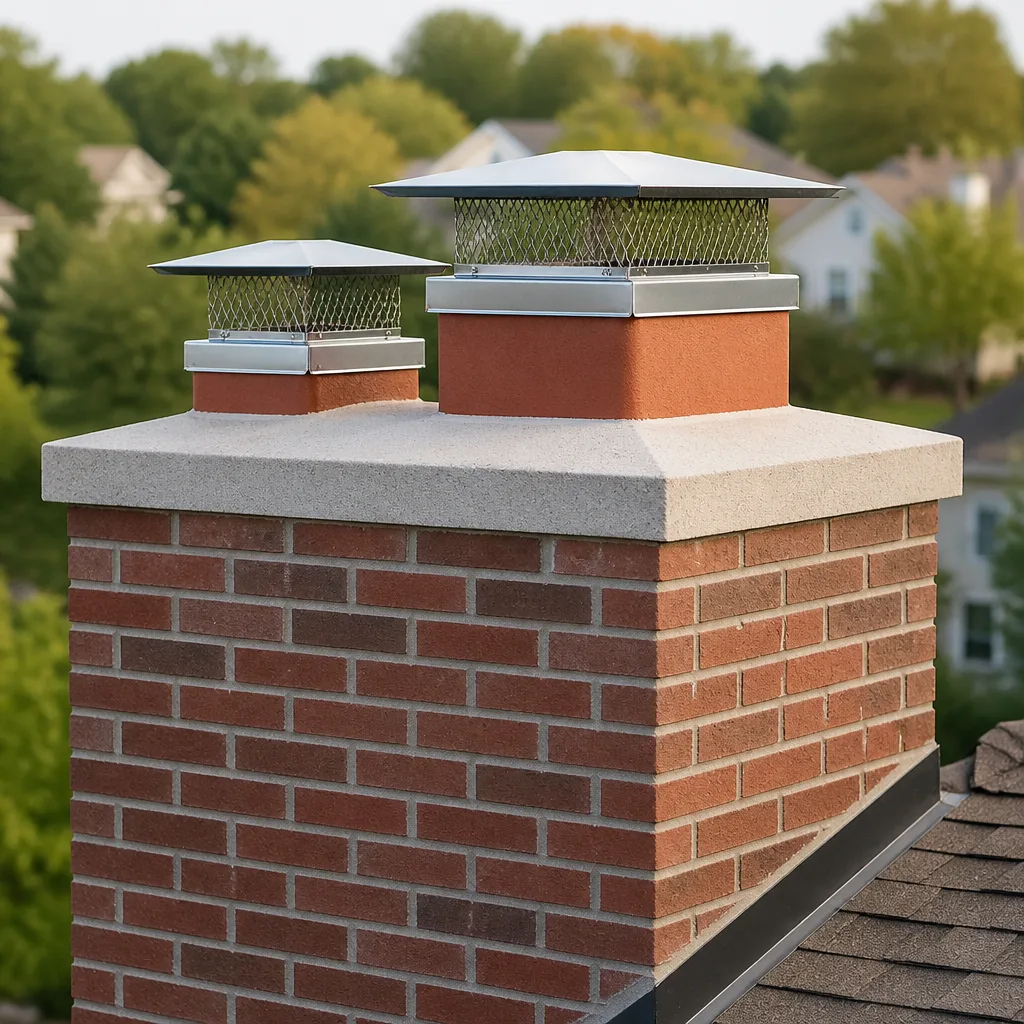 Caps & crowns
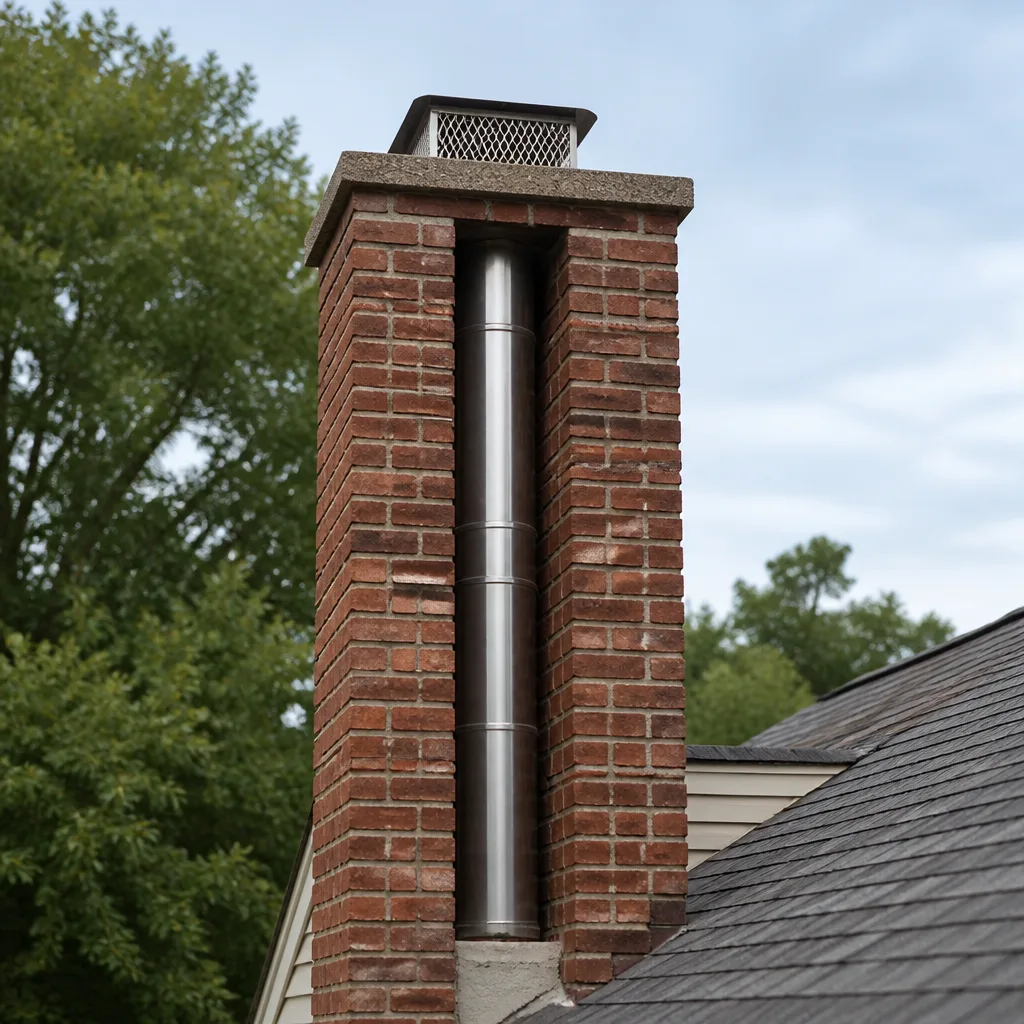 Flue relining
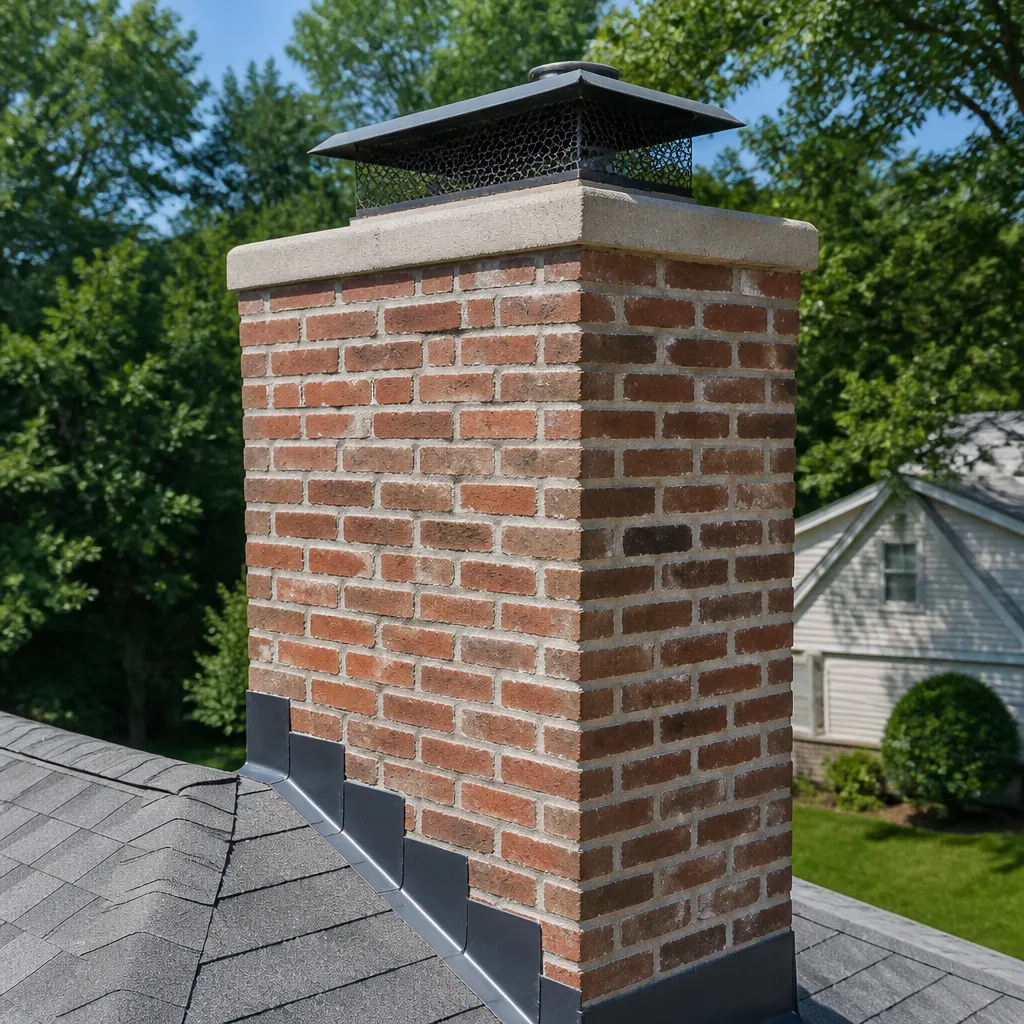 Masonry repair
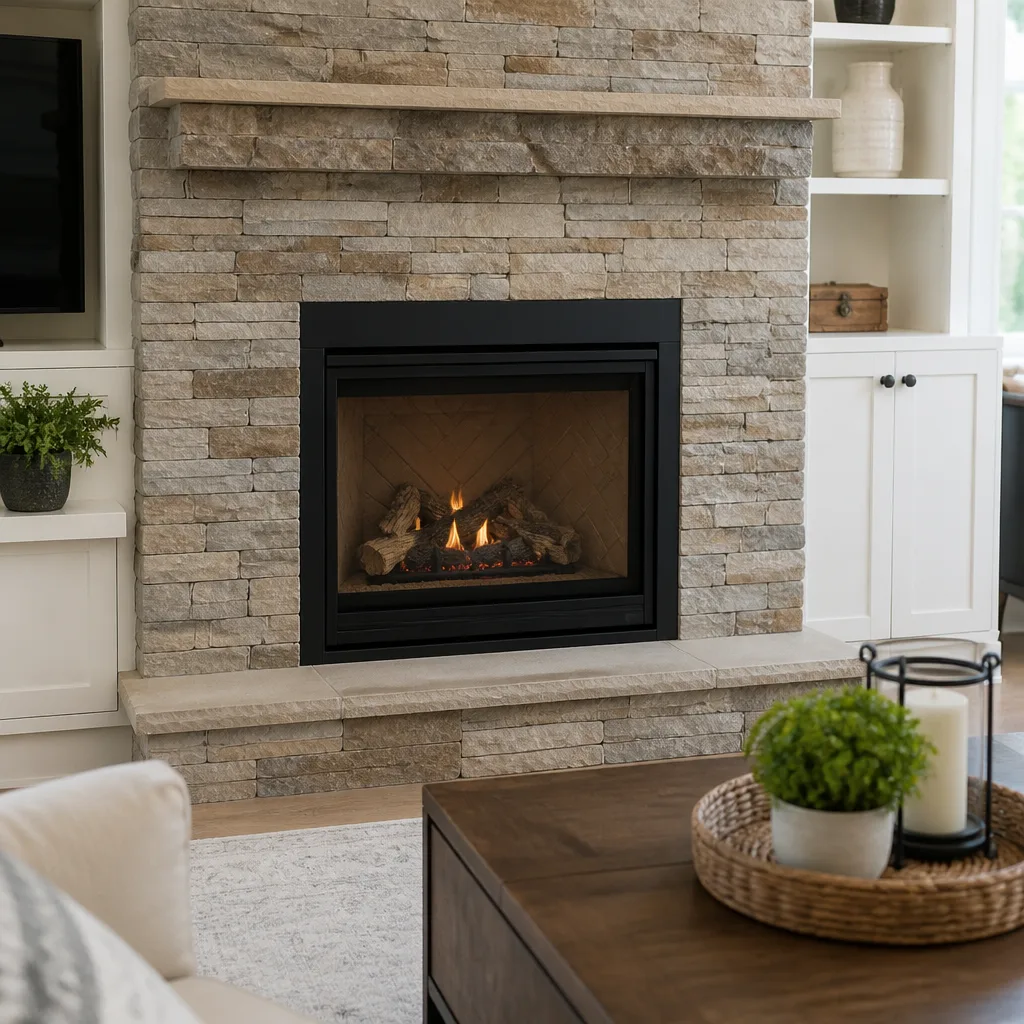 Gas fireplace service
Level 1 sweep and inspection to the NFPA 211 annual standard - flue, crown, cap, and flashing checked and photographed
Chimney sweep logs do not sweep chimneys. They loosen some creosote - which then falls where a brush and vacuum still have to collect it.
Chimney Cleaning Emergency Preparedness Guide for Federal Way Homes
Most people picture a chimney emergency as something sudden and random. It rarely is. A chimney fire, a carbon monoxide event, or a draft that fails on a cold night almost always traces back to a root cause that was building quietly for months: a creosote-loaded flue, a cracked crown letting water in, a blocked flue with no cap to keep birds and squirrels out. The homeowner who has a suppressant log on the shelf, a carbon monoxide alarm at the right height, and an inspector they can actually reach is in a very different position than the homeowner who has never looked up the flue. This guide walks through the most common Federal Way chimney emergencies, the exact sequence to follow in the first few minutes, and the maintenance habits that make most of them preventable. We’ll cover chimney fires, carbon monoxide, animal intrusion, and the post-fire protocol that a lot of people skip.
Quick Answer
If you have a chimney fire, close the firebox door and the damper, get everyone out of the house, call 911, and do not open windows or flood the firebox with water. If your carbon monoxide alarm sounds and you burn gas or wood, evacuate first, then call 911. After any chimney fire, even a small one, the system needs a professional inspection before you relight. The most effective emergency prep is the boring kind: an annual sweep before heating season, a carbon monoxide alarm on every level, and a cap on the flue. Federal Way Chimney Sweep Pros offers free estimates and can inspect your system before the season starts. Call (844) 949-4711.
Styles & brands we work with
- Sweep & inspection
- Caps & crowns
- Flue relining
- Masonry repair
- Gas fireplace service
Table of Contents
- The Three-Stage Response to a Chimney Fire
- Carbon Monoxide Warning Signs Tied to Chimney Failure
- What to Have on Hand Before Heating Season in Federal Way
- Post-Chimney-Fire Protocol: The Step Most Homeowners Skip
- Animal Intrusion in the Flue: A Fall and Winter Emergency
- Prevention: Mapping Emergencies Back to Their Causes
- The Pre-Season Checklist Every Federal Way Home Needs
- Common Mistakes to Avoid
The Three-Stage Response to a Chimney Fire
A chimney fire is louder and stranger than most people expect. The classic description is a low roaring sound like a jet passing overhead, sometimes a popping, sometimes a flame visible at the top of the stack. Most people who have lived through one say they spent the first few minutes unsure what they were hearing. Knowing the sequence in advance is the whole point of emergency prep.
Stage 1 – Cut the air. Close the firebox door if you have one. Close the damper. A chimney fire needs oxygen, and the two openings that feed it are the firebox and the top of the flue. You cannot close the top, but you can absolutely close the bottom. This is the single fastest action you can take.
Stage 2 – Get out and call 911. Once the air is cut, get everyone out of the house and call 911. Even if the fire seems contained, chimney fires can spread into the framing around the flue if the chimney has cracks or gaps. Firefighters have thermal imaging and can confirm whether the fire has moved beyond the flue. Err toward calling. A false alarm is a non-event; a missed call is not.
Stage 3 – Suppressant, only as a supplement. A chimney fire suppressant log or stick is a useful backup if you happen to have one on hand and the fire is small, but it is never a substitute for step 2. Suppressant products are designed to help smother creosote fires; they cannot verify whether the flue is intact, whether the fire reached the roof deck, or whether the chimney is safe to use again.
Why opening windows is the wrong instinct. It feels natural to throw open a window or door for ventilation. In a chimney fire it can feed oxygen into the room and change the pressure dynamics in the firebox, which can pull flame and smoke back into the living space. If you’re evacuating anyway, that’s fine. But don’t open a window before you’ve closed the damper and gotten people out.
If you have questions about your chimney before the season starts, our chimney sweep service is the first line of defense.
Carbon Monoxide Warning Signs Tied to Chimney Failure
Carbon monoxide from a chimney problem has a different fingerprint than CO from a furnace or water heater. In a chimney-related event, the CO is usually being pushed back down the flue or escaping through a seam, joint, or crack in the chimney system rather than venting up and out the top. That pattern often shows up as CO in the living space near the fireplace, or in a second-floor room where the flue passes through.
Some signs to take seriously:
- CO alarm sounding, particularly one mounted near the fireplace or in a bedroom above it, while other appliances seem normal.
- Backdraft smell – a sour, smoky, or “used air” smell in the room after lighting a fire, especially on windy days or when the furnace cycles on.
- Headaches, dizziness, or nausea that start after lighting the fireplace and clear when you leave the room or house. CO symptoms are often mistaken for a cold or flu.
- Moisture on windows or walls near the chimney that wasn’t there before, which can indicate poor draft and exhaust venting into the home.
- Visible soot or dark staining around the firebox, damper, or flue seams, which suggests exhaust is escaping from the system rather than exiting the top.
A home with multiple combustion appliances (fireplace, furnace, water heater, gas range) makes a CO event harder to pin down, because the source is not always obvious. That’s why we recommend a CO alarm on every level of the home and one within 10 to 15 feet of each sleeping area, mounted at roughly knee-to-shoulder height on a wall – about the height of a seated person’s head. CO mixes fairly evenly with room air, but the sensors on many units are calibrated to the breathing zone, not the ceiling.
If the alarm goes off, evacuate the home, call 911, and do not re-enter until the fire department clears the building. Once you’re safe, a professional chimney inspection is the next step – and that’s where we come in. Our chimney repair work often starts with the inspection report that identified the leak in the first place.
What to Have on Hand Before Heating Season in Federal Way
Emergency preparedness is not complicated. A small, inexpensive kit covers the most useful scenarios and costs far less than a single emergency visit. Before the first cold snap, put together the following:
- Chimney fire suppressant log or stick. One is enough to have on hand; store it where you can reach it quickly from the firebox, not in a garage cabinet. Suppressant products help smother a small creosote fire but aren’t a substitute for a 911 call.
- Working CO detectors on every level, replaced or re-batteried at the start of the season. Test each unit with its test button before the first fire. A detector that has never been tested is a question mark.
- Working smoke detectors in the same locations, tested at the same time. These catch the smoke layer before it fills the room.
- A fire extinguisher rated for wood fires near the fireplace. A standard ABC extinguisher is fine; a Class A water or dry chemical extinguisher is the right tool for a wood fire in the firebox.
- The name of a chimney inspector you can reach quickly. Write it down and put it somewhere the whole household can find it. If you’ve never had an inspection, get one before the season starts.
- A short, clear household fire plan. Who calls 911, who grabs the pets, where does everyone meet outside. Two minutes of planning is the difference between chaos and a sequence.
In Federal Way, the first serious rain of the season is often the signal that heating is about to begin. We work with Federal Way homeowners year-round, and the pattern is consistent: prepared homes have their annual sweep done before the first fire, and unprepared homes call us after a chimney fire or a draft failure.
Post-Chimney-Fire Protocol: The Step Most Homeowners Skip
Here is the single most common mistake after a chimney fire: skipping the inspection because “it went out on its own.” A chimney fire that self-extinguished can still have left the flue compromised – cracked tiles, warped seams, displaced sections of a liner, or creosote baked onto the walls into a harder, more flammable layer. The fire looks over. The system may not be.
The protocol after any chimney fire, small or large:
- Call 911 if it has not already been called. The fire department will confirm whether the fire has spread beyond the chimney.
- Do not relight the fireplace until a professional inspection is complete. No exceptions. Even a small visible flame event is cause for an inspection.
- Schedule a Level 2 or Level 3 inspection, depending on what the inspector recommends after a visual assessment. A Level 2 inspection uses a camera to look inside the flue; a Level 3 inspection gets into concealed spaces if there is evidence of damage to the structure.
- Get a written report with photos before any repair work is recommended. You should be able to see what the inspector is pointing to.
- Address any damage before relighting. A cracked flue tile, a failed HeatShield liner, or a loosened cap is a repair that needs to happen before the next fire.
We work with HeatShield for liner resurfacing and DuraFlex for flexible liner systems, both of which are industry-standard approaches for repairing a flue after fire damage. That’s important for Federal Way homes with older masonry chimneys, where the original tile liner may already be showing its age. Our fireplace repair team handles the firebox side of the system once the flue has been cleared for use.
Animal Intrusion in the Flue: A Fall and Winter Emergency
It’s a scenario that surprises people every fall: a bird, squirrel, or raccoon finds its way into the flue, either through the top of an uncapped chimney or by pushing past a damaged cap. Federal Way’s older neighborhoods are tree-dense enough that this happens more than most homeowners expect, especially in the fall when animals are looking for shelter.
The telltale signs:
- Scratching, fluttering, or chattering sounds from the chimney, particularly at dawn or dusk.
- A smell of animal waste or decay in the room where the fireplace is.
- Feathers, nesting material, or debris falling into the firebox.
- Damage to the firebox screen or damper from an animal that got partway in.
What not to do: do not light a fire with an animal in the flue, and do not try to smoke or flush it out. Do not attempt to reach up and pull the animal out yourself. If the animal is alive, call a local wildlife or animal control resource first; they may be able to help. Once the animal has been removed, the next step is a professional inspection to confirm the flue is clear, the cap is intact, and there is no nesting material left behind. A cap and crown installation is the standard fix, and we source caps and crowns through Gelco, Famco, and Olympia Chimney. Our Federal Way Chimney Sweep Pros team handles animal-intrusion calls as part of routine chimney inspection.
Prevention: Mapping Emergencies Back to Their Causes
The most useful mental model in chimney safety is that most emergencies have a predictable upstream cause. When you map each emergency to its root, the maintenance schedule that prevents them becomes obvious:
- Chimney fire – cause: creosote accumulation from burning wet wood or from skipping annual sweeps. Prevention: burn seasoned wood, sweep annually, and keep the flue clear.
- Carbon monoxide event – cause: blocked or damaged flue, poor draft, or a cracked chimney structure that lets exhaust into the home. Prevention: annual inspection, CO alarms, and prompt repair of any structural issue.
- Animal intrusion – cause: missing cap or damaged cap. Prevention: a proper cap installed by a chimney professional.
- Draft failure – cause: cold flue, negative pressure in the home, or a blocked flue. Prevention: inspection, and a pre-warm routine if your house is tight.
- Crown and flashing leaks – cause: failed masonry or flashing over years of weather. Prevention: inspection that looks at the crown and flashing, not just the flue.
In Federal Way, the wet fall and winter make any moisture intrusion worse than it would be in a drier climate. A hairline crack in the crown becomes a saturated masonry wall after a few weeks of rain, and saturated masonry is a masonry that will crack further on the next freeze. That’s why we install caps and crowns using products from dedicated chimney manufacturers – not improvised hardware-store substitutes that fail in a season or two.
The Pre-Season Checklist Every Federal Way Home Needs
Run through this list before the first fire of the season. It’s short, it’s cheap, and it catches the majority of preventable emergencies.
- Schedule an annual sweep. A professional sweep removes the creosote load and confirms the flue is clear.
- Schedule an inspection, especially if this is your first season in the home or if you’ve never had one. The inspector will check the flue, the firebox, the damper, the crown, the flashing, and the cap.
- Test all smoke and CO detectors. Replace the batteries if you haven’t in the last year.
- Confirm the cap is intact. A missing or damaged cap is the number one cause of animal intrusion and a major path for water.
- Inspect the crown for cracks. A visible crack is a call to the chimney professional, not a caulk-and-wait problem.
- Check the woodpile. Seasoned wood (split, dried, and stacked for a year or more) burns hotter and cleaner than green wood. Wet wood is the top contributor to creosote.
- Walk the roofline visually from the ground. Visible staining, cracked masonry, or missing flashing is a call-before-the-season issue.
- Keep the firebox clean of ash buildup and confirm the damper opens fully.
If you’re not sure which items on this list apply to your chimney, that’s an inspection question. It’s what the inspection is for. Call (844) 949-4711 for a free estimate. We answer 24/7, and dispatch runs 7am-7pm, Sunday through Friday.
Common Mistakes to Avoid
- Opening a window during a chimney fire. It feels like it helps with smoke, but it feeds oxygen and can pull smoke back into the room. Close the firebox door and the damper, then get out.
- Assuming a small chimney fire self-extinguished safely. Even a contained fire can crack the flue tiles, warp a liner, or bake creosote into a harder and more flammable layer. The system needs an inspection before you relight.
- Burning wet or unseasoned wood in a Federal Way fall. Wet wood is the fastest route to creosote buildup, and creosote is the fuel behind most chimney fires.
- Skipping the annual sweep because “it wasn’t used much.” A few fires a season still deposit creosote, and a flue that hasn’t been looked at is a flue with unknown problems. Use is not the same as inspection.
- Trying to remove a bird or animal yourself. Nesting material, a frightened animal, and an enclosed space do not mix. Call wildlife resources, then get the flue professionally inspected and capped.
- Trusting a hardware-store cap on a money-problem chimney. Caps and crowns are engineered parts; a chimney cap from a dedicated manufacturer fits the flue properly and holds up to weather. A universal cap often doesn’t.
- Treating CO symptoms like a cold or flu. Headaches, dizziness, and nausea that start after lighting the fireplace and clear when you leave are a red flag. Evacuate and call 911.
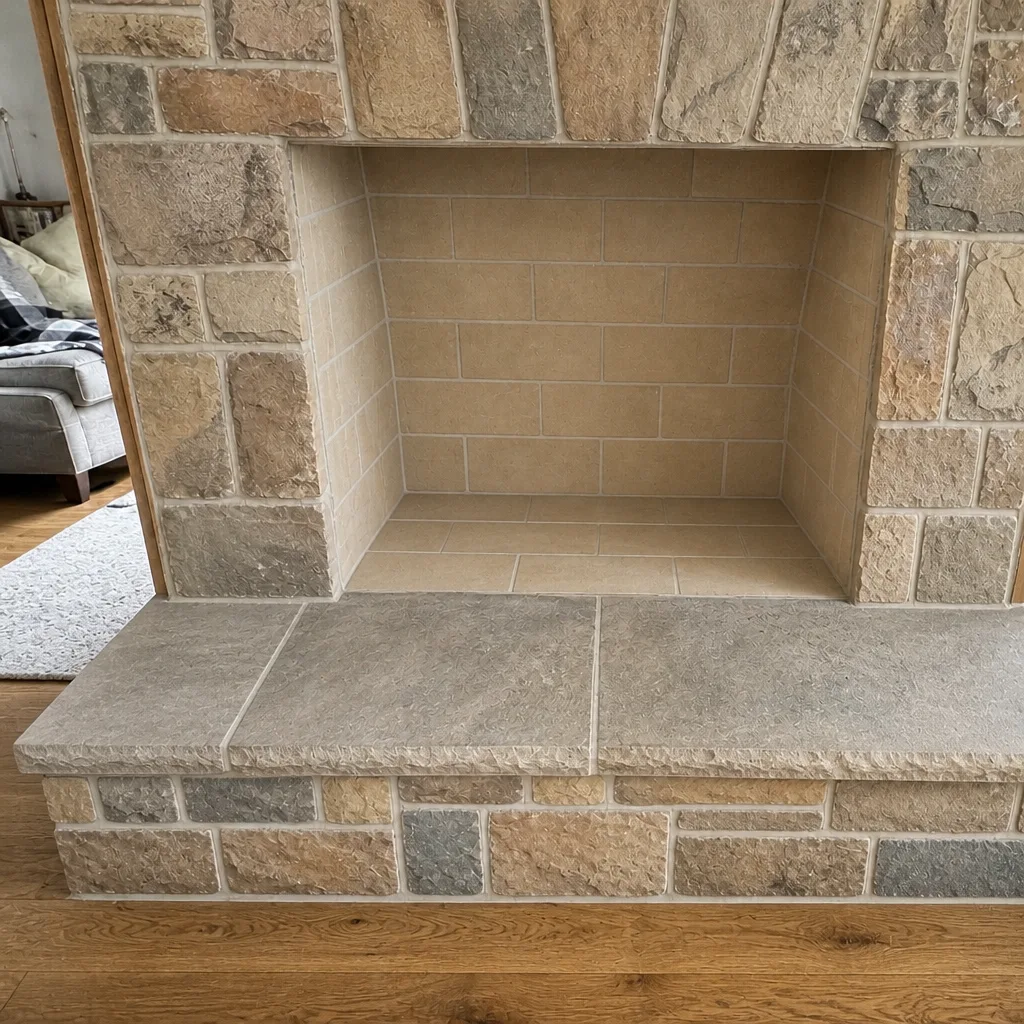
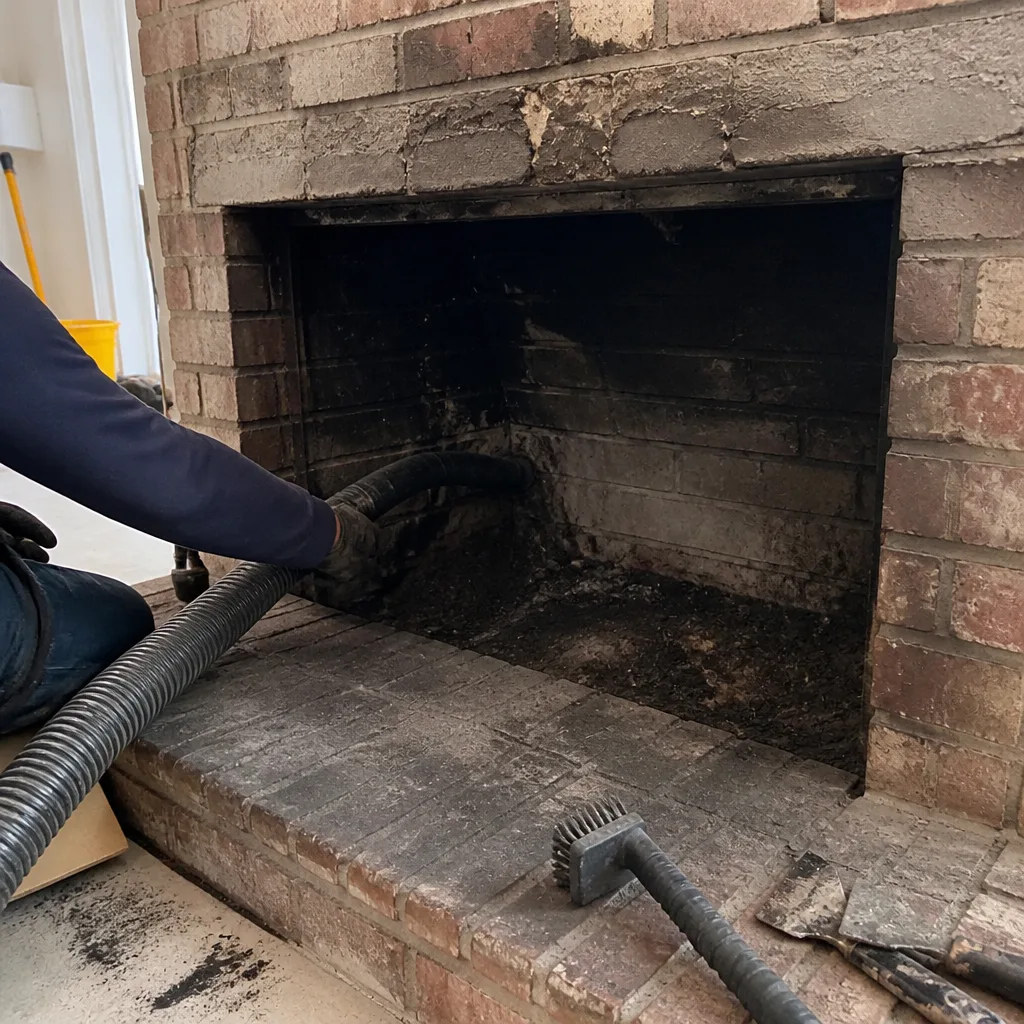
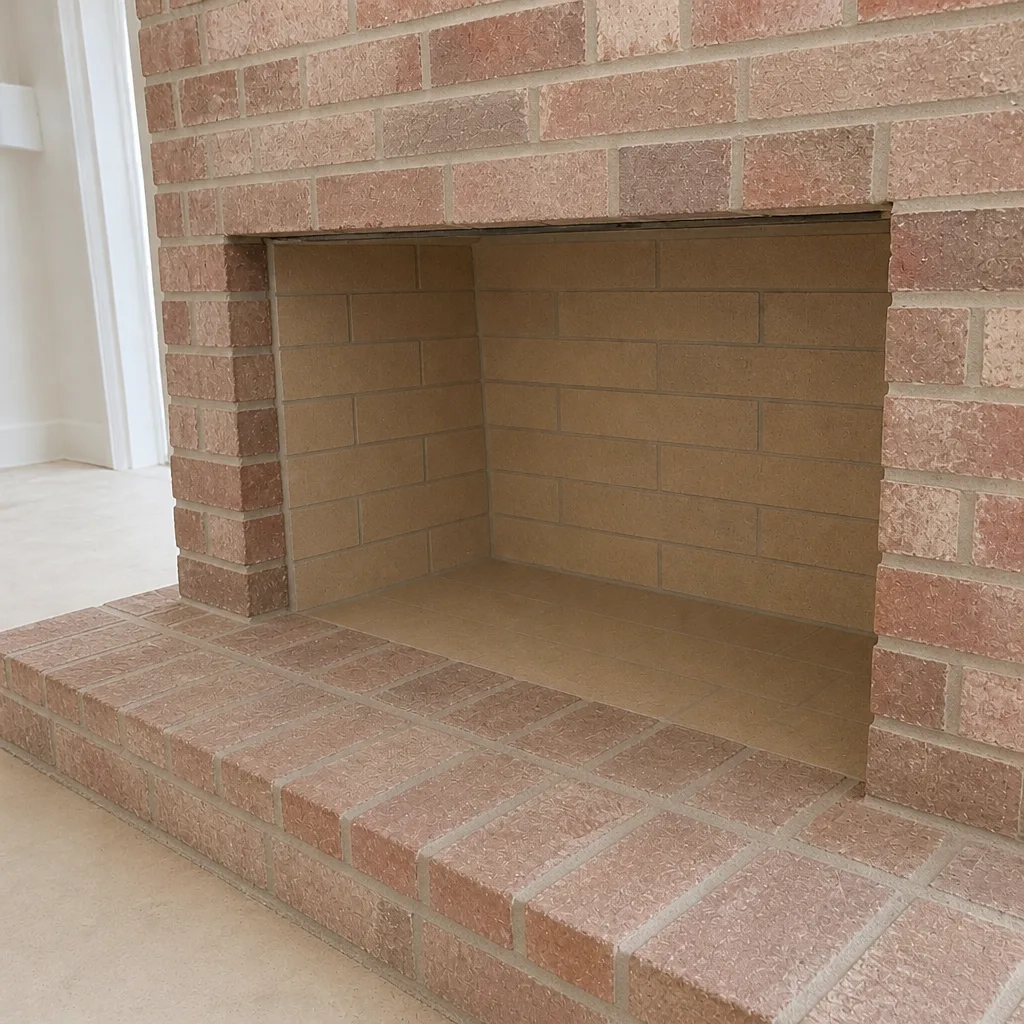
See the difference
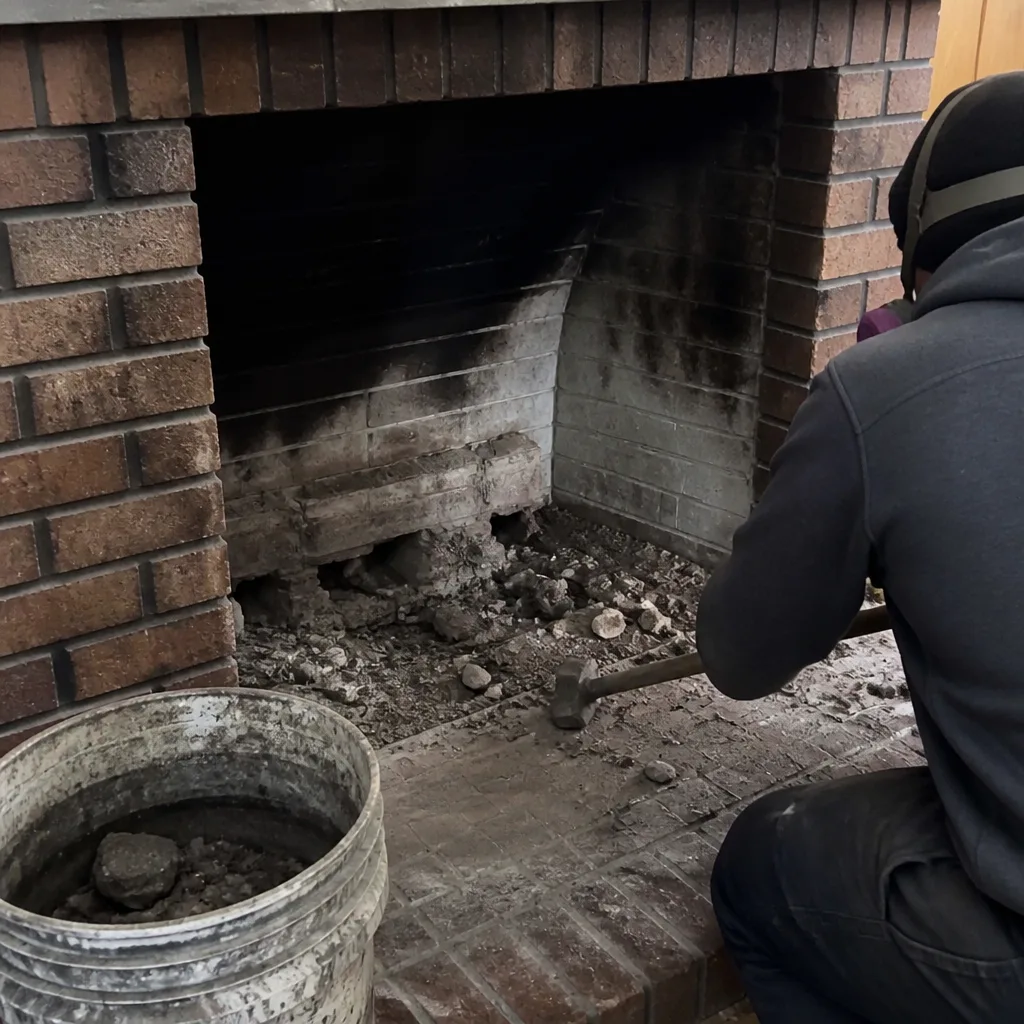 Before
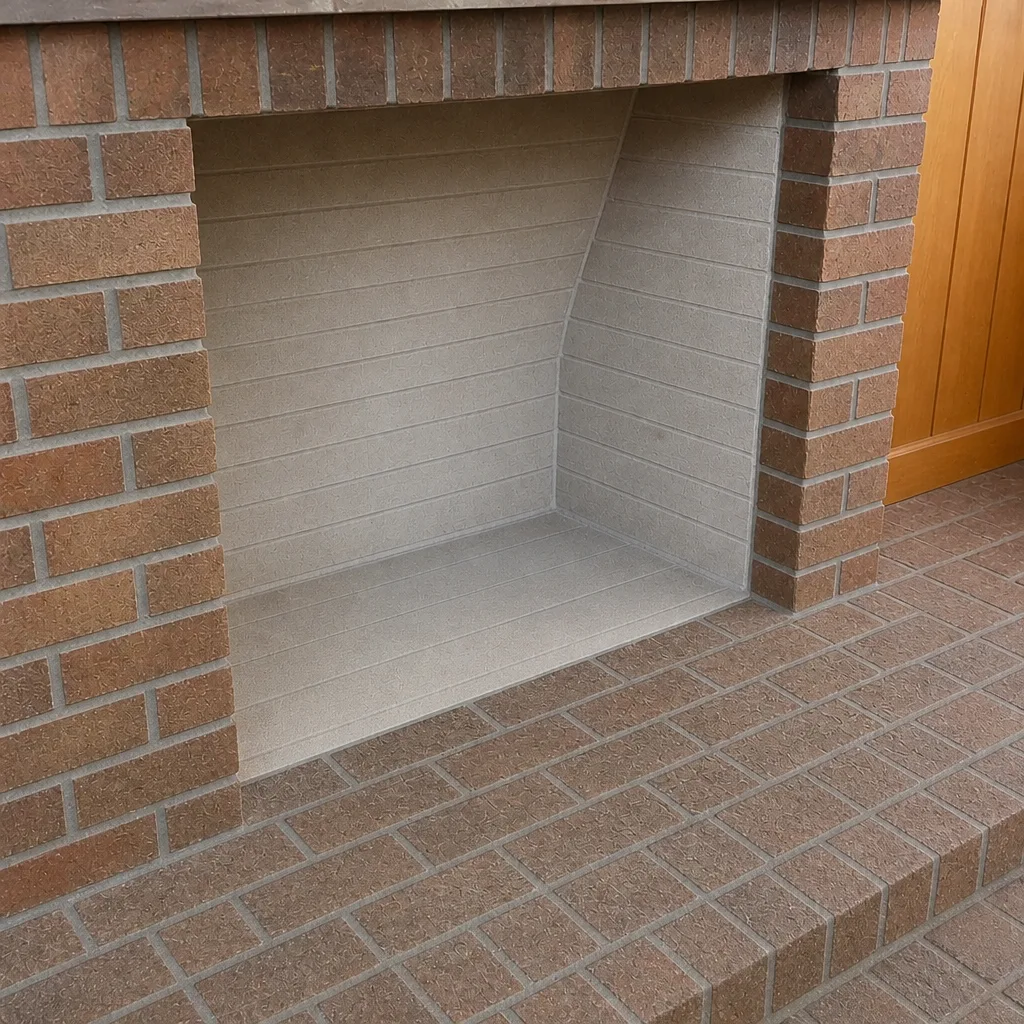 After
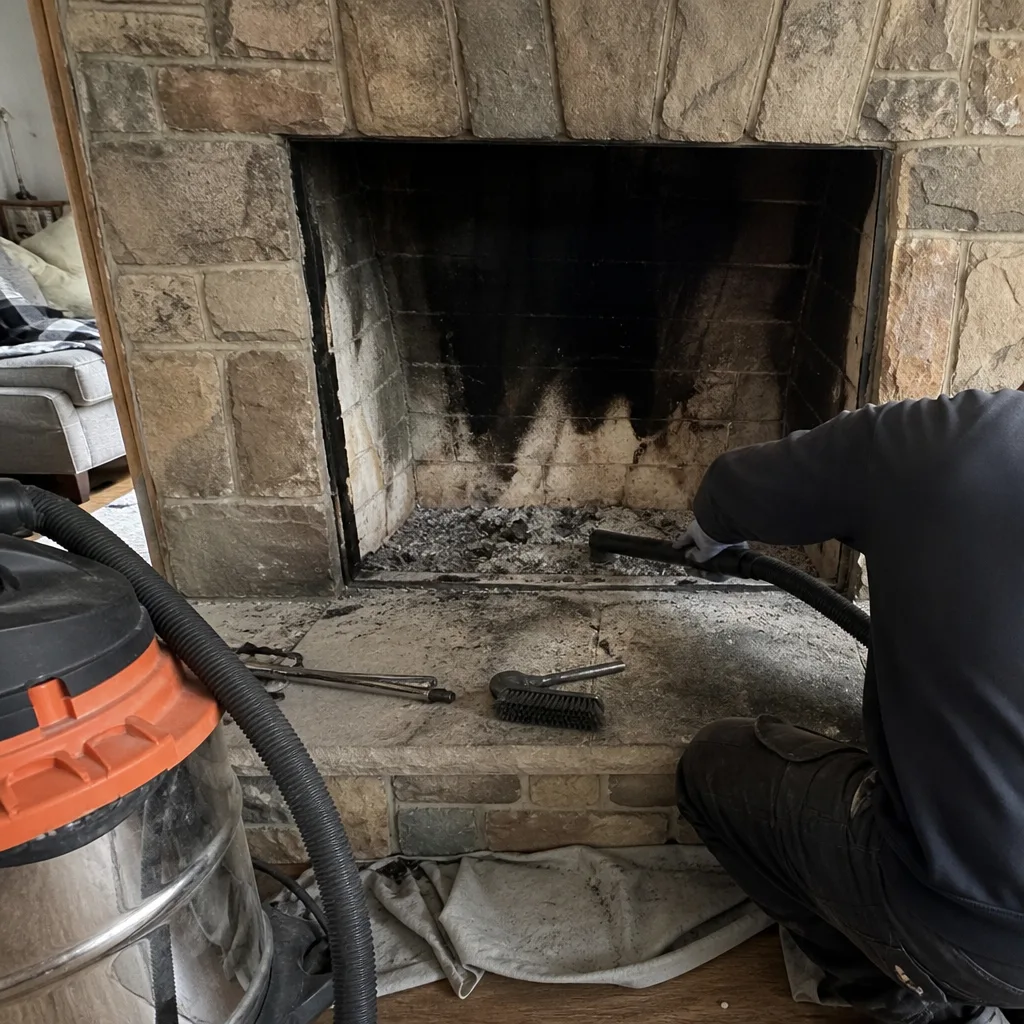 Before
 After
 Before
 After
When to Call a Professional
Some situations are clear-cut: a chimney fire, a CO alarm, an animal in the flue, visible smoke backdrafting into the room, or a chunk of masonry on the roof. Others are quieter. A draft that used to be strong and now struggles, visible soot staining around the firebox, water staining on the chimney breast after a heavy rain, or a fireplace that smells smoky when it hasn’t been lit in months – those are signals to get the system looked at before the next fire.
If you’re not sure whether a situation is an emergency or a routine visit, it’s an inspection question. Federal Way Chimney Sweep Pros offers free estimates in Federal Way, and the technician will tell you what they see, show you the camera evidence if there is any, and recommend repair only when the photos support it. Call (844) 949-4711. We answer 24/7. Fast dispatch from 7am to 7pm, Sunday through Friday.
Frequently Asked Questions
Common signs are a low roaring or popping sound from the chimney, a visible flame or sparks at the top of the stack, a sudden smell of burning creosote, or puffs of black smoke from the chimney. Many chimney fires go undetected because they burn slowly. If you suspect one, close the firebox door and damper, get out, call 911, and don’t relight until a professional inspects the flue.
Get everyone out of the home, then call 911 from outside. Do not open windows, do not try to find the source first, and do not re-enter until the fire department clears the building. After the event, the chimney system should be inspected by a professional before you relight anything, since a CO event in a home with a fireplace often traces back to the flue.
Once a year for most homes, and more often if you burn frequently or burn wood that isn’t well seasoned. The annual sweep is the single most effective preventive measure against chimney fires, and it’s also when the technician catches small issues – a failing cap, a crack in the crown – before they become expensive repairs. Call (844) 949-4711 to schedule a free estimate.
Yes. A self-extinguished chimney fire can still crack flue tiles, warp a liner, or leave behind a harder, more flammable layer of creosote. The fire may be over; the damage may not be. A camera inspection is how you confirm the system is safe to relight, and you should be able to see the photos yourself before any repair is recommended.
No. A suppressant log can help smother a small creosote fire, but it cannot confirm whether the fire has spread into the structure or damaged the flue. The sequence is: close the air supply, evacuate, call 911, and use the suppressant only as a supplement if it’s safe to do so. Call us afterward to schedule the required inspection.
Don’t light a fire, don’t try to smoke it out, and don’t reach in to pull it out yourself. Contact a local wildlife resource to remove a live animal, then have the flue professionally inspected and a proper cap installed. Hardware-store caps don’t fit every flue and often don’t stay put.
The Bottom Line
Federal Way chimney emergencies are mostly predictable outcomes of skipped maintenance: creosote buildup, missing caps, cracked crowns, wet wood, and inspections that didn’t happen. Prepare before the season starts. Put together a small kit – suppressant log, tested CO and smoke detectors, fire extinguisher, and the name of a chimney professional you can reach. Know the three-stage chimney fire response, and take CO alarms seriously. After any fire, small or large, get the system inspected before you relight. And if you’re not sure whether something is an emergency or a routine visit, call. Federal Way Chimney Sweep Pros offers free estimates, uses trade-grade materials from DuraFlex, HeatShield, Gelco, Olympia Chimney, Famco, and Copperfield, and handles the full chimney lifecycle – sweep, inspection, cap and crown, fireplace repair, and chimney repair. Call (844) 949-4711. We answer 24/7, with fast dispatch from 7am to 7pm, Sunday through Friday.
Written by the team at Federal Way Chimney Sweep Pros.