
Last updated November 24, 2026
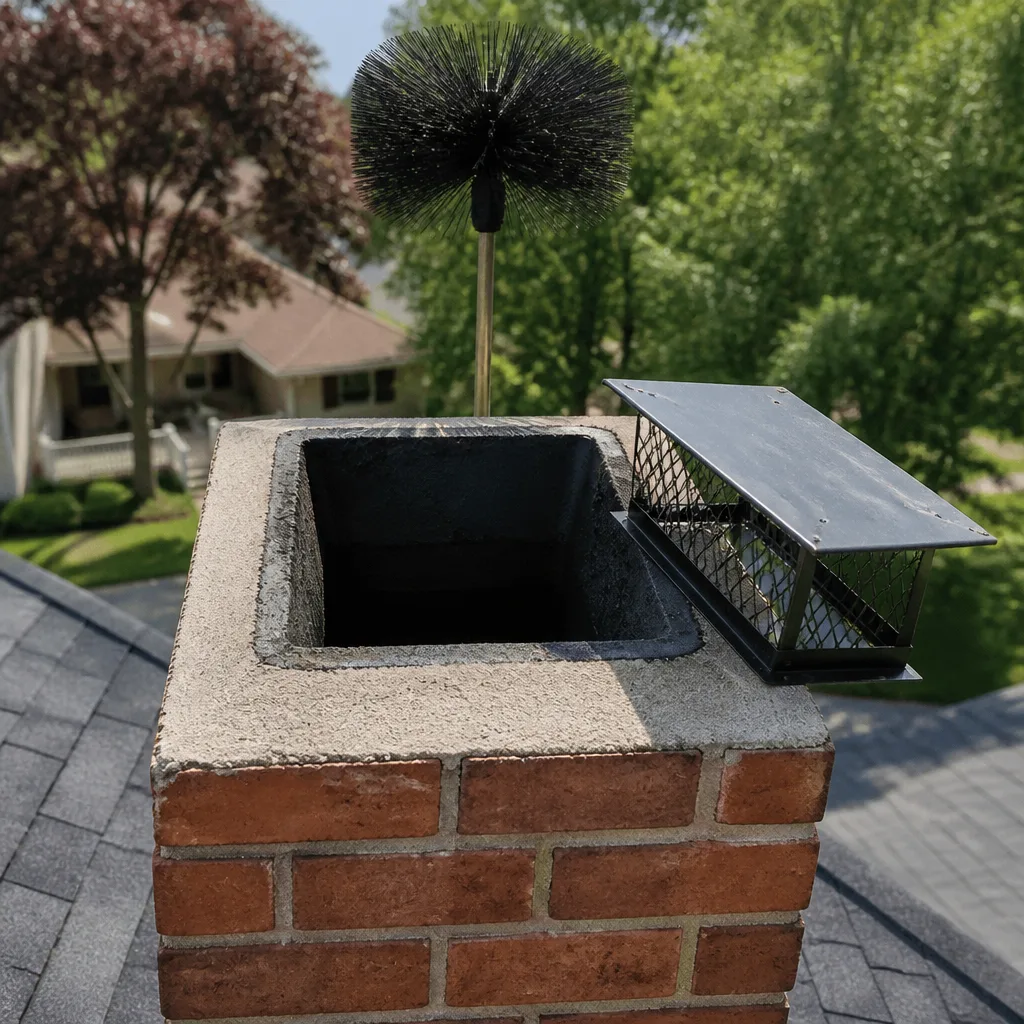 Sweep & inspection
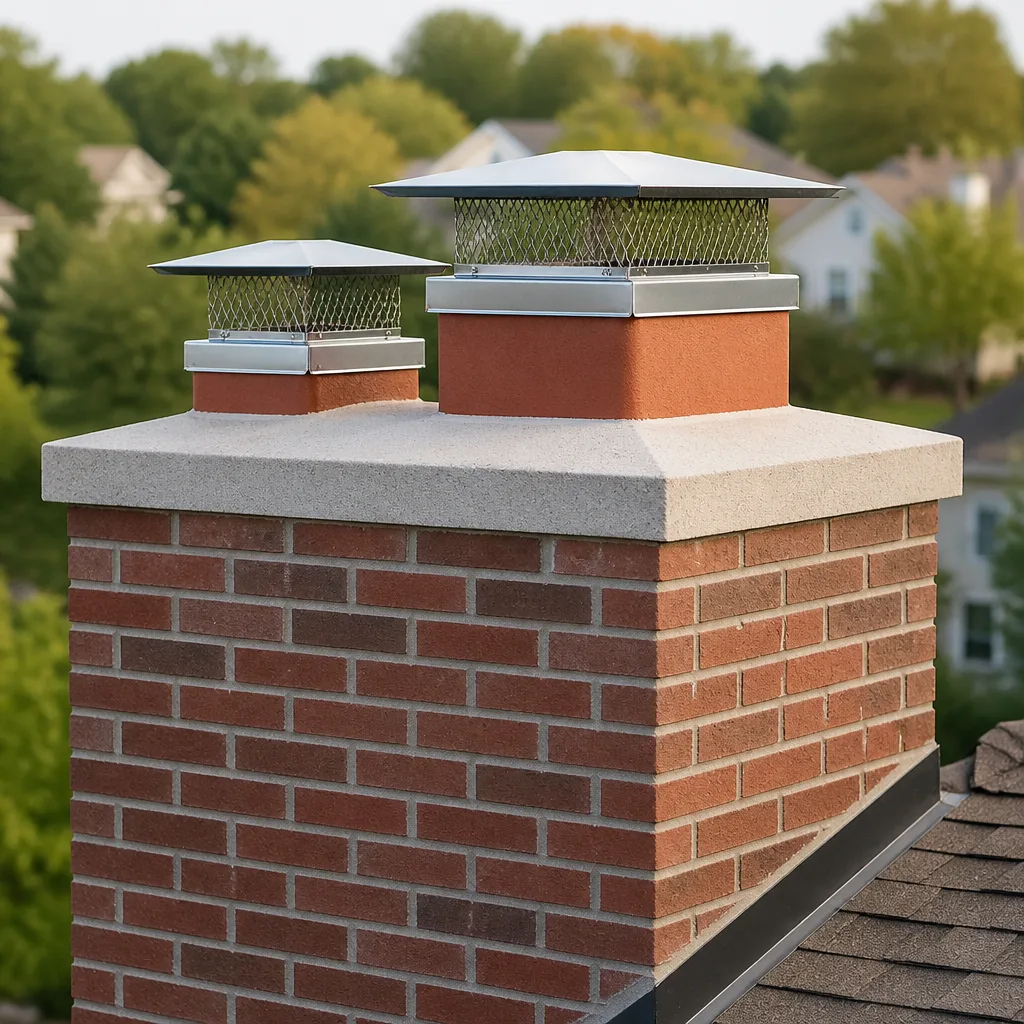 Caps & crowns
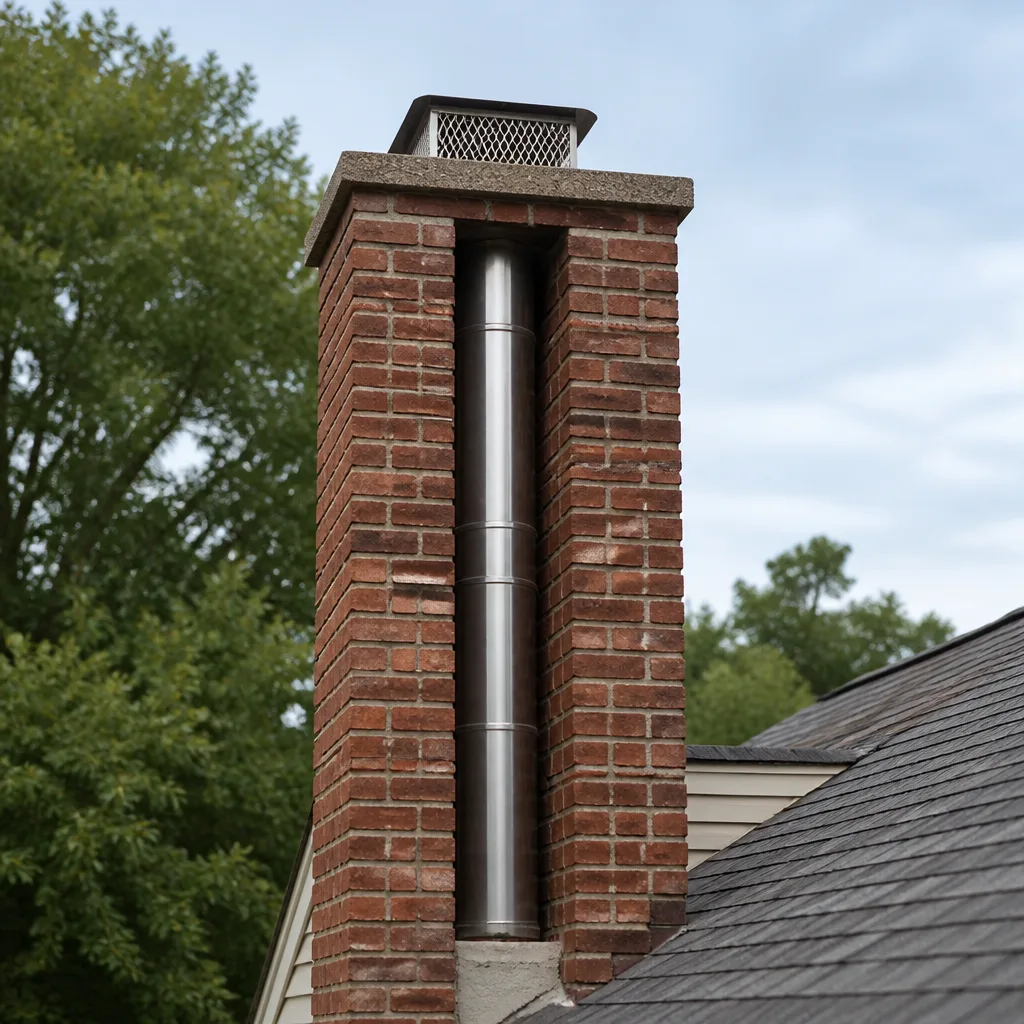 Flue relining
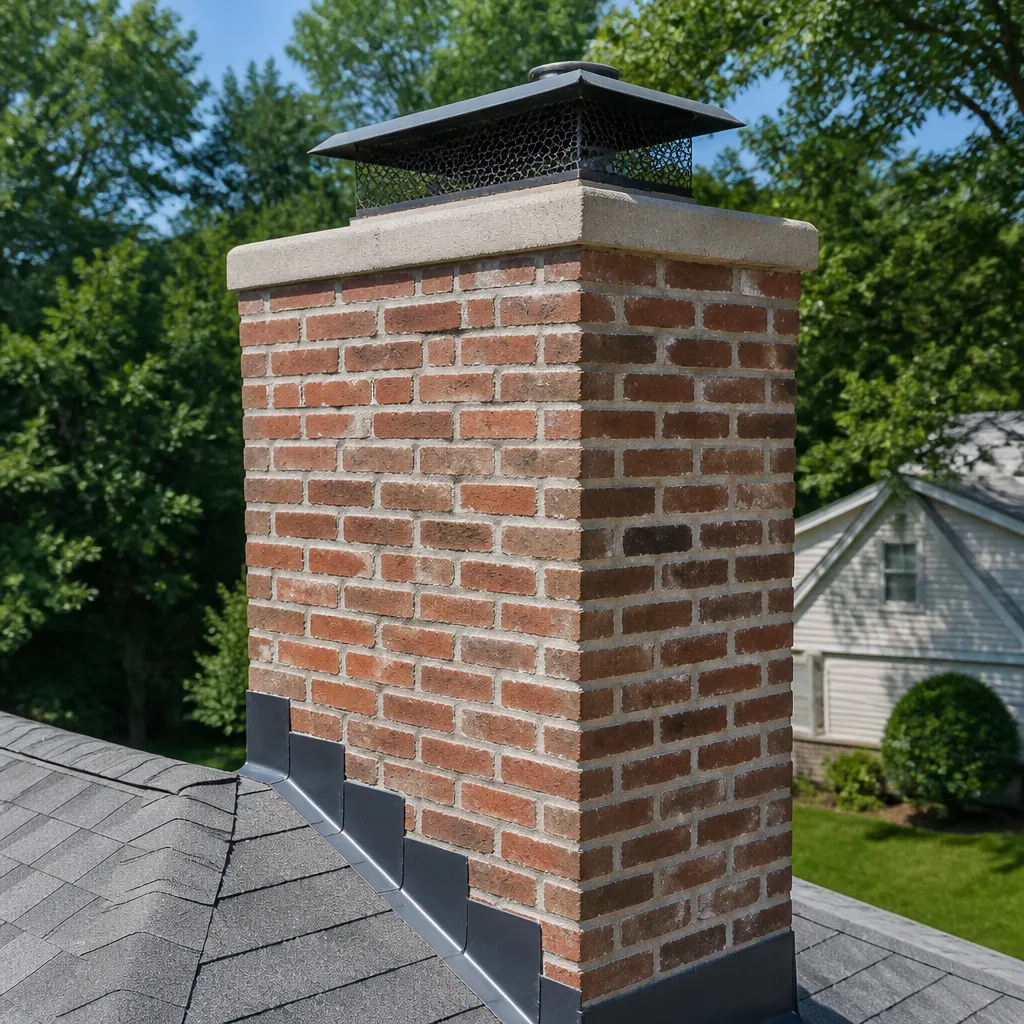 Masonry repair
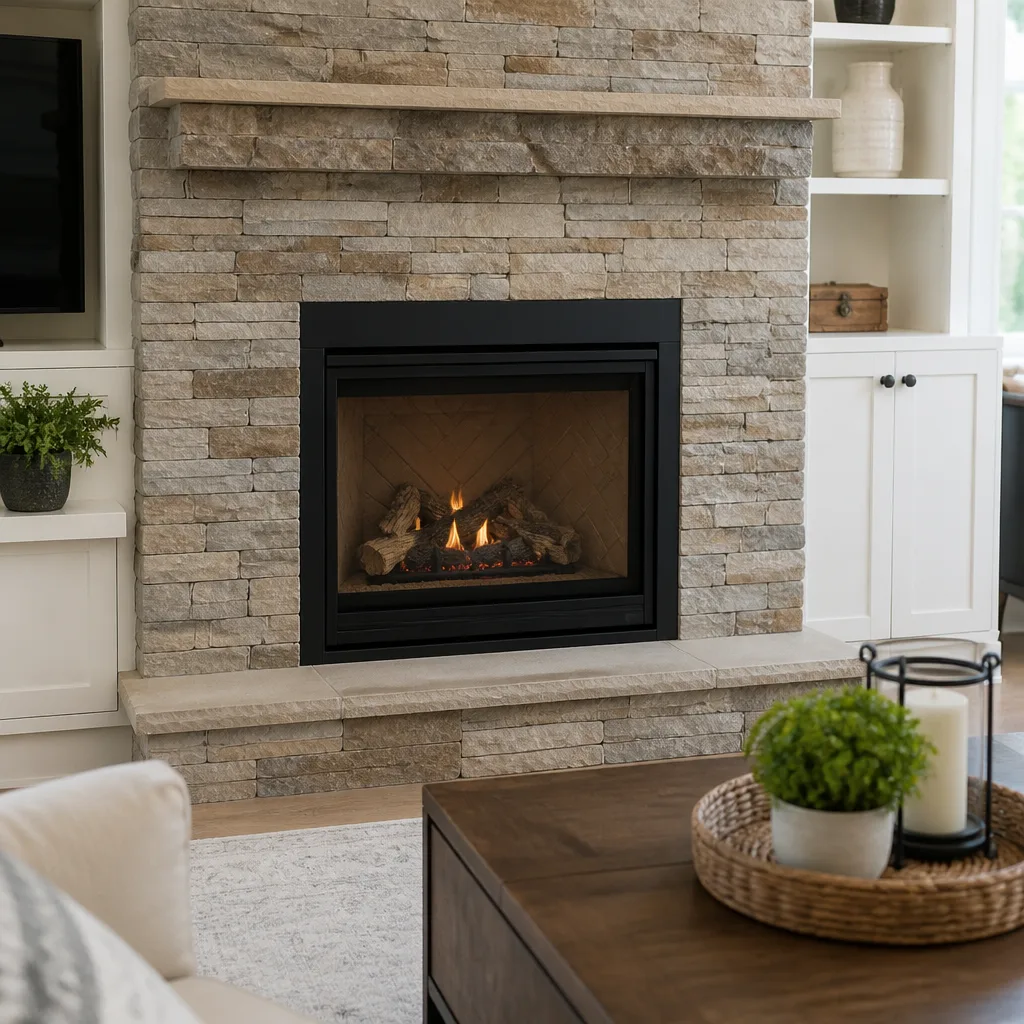 Gas fireplace service
Level 1 sweep and inspection to the NFPA 211 annual standard - flue, crown, cap, and flashing checked and photographed
Chimney sweep logs do not sweep chimneys. They loosen some creosote - which then falls where a brush and vacuum still have to collect it.
Chimney Cleaning Cost Breakdown: The Federal Way Homeowner’s Reference for 2026
The cheapest chimney sweep quote you’ll find in Federal Way typically excludes the camera inspection, which is the only way to confirm whether the cleaning actually worked. That single omission explains most of the price gap homeowners see when they compare bids. One contractor quotes $149 and another quotes $399, and it looks like a markup problem. It usually isn’t. Those two numbers describe different services with different equipment, different training behind them and different liability coverage. This guide breaks down every line item so you can read a Federal Way chimney invoice the way a technician reads it. You’ll learn what each service tier actually covers, what drives legitimate price variation in this market, and how to spot a low quote that’s quietly missing the work that matters.
Quick Answer
Chimney cleaning in Federal Way typically costs between $180 and $350 for a standard sweep, and a sweep bundled with a Level 2 camera inspection usually runs $300 to $500. Creosote treatment adds roughly $75 to $200 depending on severity, and cap or crown repair generally falls between $250 and $700. The written estimate sets the final price, and it should itemize each service rather than quote one lump sum. Our technicians have up to 12 years of experience reading Federal Way flues, and the pattern is consistent: the broad price range isn’t gouging, it’s the difference between a brush-and-go job and a documented, inspection-backed cleaning.
Styles & brands we work with
- Sweep & inspection
- Caps & crowns
- Flue relining
- Masonry repair
- Gas fireplace service
Table of Contents
- Why Chimney Cleaning Prices in Federal Way Range So Widely
- Itemized Cost Breakdown by Service Type
- What Actually Drives Price Variation Between Federal Way Contractors
- The Cost Math on Deferred Maintenance
- When a Low Quote Is a Red Flag vs. Legitimate Value
- How to Read a Chimney Sweep Invoice
- Federal Way Climate, Creosote and Cost
- Common Mistakes to Avoid
- When to Call a Professional
- Frequently Asked Questions
Why Chimney Cleaning Prices in Federal Way Range So Widely
“Chimney cleaning” is an umbrella term that covers services spanning a 20-minute brush job to a full camera inspection with chemical creosote treatment. That’s the whole explanation. A Federal Way homeowner comparing three bids isn’t comparing three prices for one thing; they’re comparing three different scopes that happen to share a label. Until you know which scope each bid describes, you have no basis for comparison.
Here’s what we mean in practice. A basic sweep removes soot and loose creosote from the flue with a brush and rods. A sweep with a Level 1 inspection adds a visual check of accessible portions of the system, from the firebox through the damper and up to the crown. A sweep with a Level 2 inspection adds a camera run through the entire flue, which is how you find cracked tiles, gaps at joints and hidden creosote glazing the eye can’t reach. Those are three distinct jobs, and they’re priced accordingly.
Insurance overhead plays a role too. A contractor carrying proper liability coverage on a job that puts someone on a roof or in a chase has a fixed cost that a low-overhead operator doesn’t, and that cost shows up in the quote. So does whether the work is subcontracted. When a generalist hands your job to a third party, you’re paying a margin on top of the actual work, and the person diagnosing your chimney isn’t the person who’ll stand behind the diagnosis.
Federal Way has another factor. The mix of older homes near the city center and newer construction out toward the edges means flue configurations vary a lot block to block. Masonry chimneys with clay tile liners, older fireplaces with damper assemblies that need servicing, and newer inserts with prefabricated flues all demand different tools and different time. A quote that doesn’t account for what’s actually in your flue is a quote built on an assumption. Find out what a real scope looks like by starting with our Federal Way Chimney Sweep Pros overview, then read on for the line items.
Itemized Cost Breakdown by Service Type
These are typical estimated ranges for the Federal Way market in 2026. They are not exact prices, and your written estimate is what sets the final number. What matters is the structure: you should be able to see each service named and priced separately, not buried in a lump sum.
- Basic sweep (standard flue): $180 to $350. Brush and rod cleaning, soot and creosote removal, basic debris cleanup.
- Sweep plus Level 1 inspection: $220 to $400. Adds a visual inspection of accessible components and a written condition report.
- Sweep plus Level 2 camera inspection: $300 to $500. Adds full-flue video documentation, which is what confirms the cleaning reached the liner surface.
- Creosote treatment application: $75 to $200. Chemical treatment for glazed or heavy third-degree creosote that brushing alone won’t remove.
- Chimney cap installation: $250 to $550. Purpose-built cap from a chimney manufacturer, sized to the flue.
- Crown repair or rebuild: $300 to $700 for repair; higher for a full crown rebuild depending on size and access.
- Liner relining: $4,000 to $8,000. Covered in detail below; this is the number that makes the annual sweep math obvious.
Why the Sweep Plus Level 1 and Sweep Plus Level 2 Tiers Exist Separately
A Level 1 inspection tells you what’s visible. A Level 2 tells you what’s happening inside the flue, and it’s the difference between hoping the cleaning worked and knowing it did. If you’re buying a home, changing fuel type, or it’s been more than a season since the last documented inspection, the camera tier is the one that answers the real question. When we quote Federal Way homeowners, we show the camera footage alongside the report so the recommendation is tied to something you can see yourself.
Add-Ons That Catch People Off Guard
Damper repair, firebox brick repointing and smoke chamber parging can all surface during a sweep and legitimately belong in the invoice. What should never happen is a surprise single-line total with no explanation. A cap or crown supply through Gelco or Copperfield shows up as a named line item because those are purpose-built chimney products, not improvised hardware-store substitutes. For the full scope of structural work, see our chimney repair page.
What Actually Drives Price Variation Between Federal Way Contractors
Four variables explain most of the spread between a $149 quote and a $450 quote in Federal Way. Understanding them lets you judge whether you’re paying for capability or paying for a margin.
- Equipment quality. A proper sweep uses the right brush head for the flue material, dust-containment equipment and a camera system. A brush on a rope from the back of a truck is cheaper because it does less and misses more.
- Insurance overhead. A contractor who carries current liability coverage pays for it, and roof work without coverage puts that risk on the homeowner if something goes wrong. Ask for a certificate before anyone goes on the roof.
- Certification cost. Credentialed technicians invest in ongoing training and industry standards. That investment is reflected in the price and, more importantly, in what they know to look for.
- Subcontracting. When a generalist bids the job and hands it off, you pay a markup for coordination, and accountability gets split. A single company that both diagnoses and completes the work reduces the finger-pointing problem entirely.
We source from DuraFlex, HeatShield, Gelco, Olympia Chimney, Famco and Copperfield because those are the lines professional chimney technicians rely on nationwide. When a Federal Way homeowner gets a quote for relining, whether the liner is DuraFlex flexible liner or a HeatShield resurfacing solution tells you something about what the contractor intends to install. That choice has real consequences for how the system fits complex flue configurations and whether it meets code requirements for your setup. It’s worth asking about explicitly.
None of this means the highest quote is automatically right. It means the cheapest one deserves an explanation. A low price is only legitimate value when the scope is documented and complete. If the line items aren’t in writing, you can’t tell which it is.
The Cost Math on Deferred Maintenance
An annual sweep in Federal Way runs roughly $229 as part of a bookable visit. A full liner relining runs $4,000 to $8,000 when deposits have caused a flue fire or the existing liner is damaged beyond resurfacing. That comparison is the entire economic argument for not skipping the sweep, and it holds every year.
The reason is creosote. It builds up in stages. First-degree creosote is flaky and light, and brushing removes it. Second-degree is sticky and denser, and it takes more work. Third-degree is glazed and hardened, and by the time it’s reached that point, brushing alone won’t touch it and chemical treatment becomes a separate billed service. Every skip pushes you one stage further up that ladder, and the cost of removal climbs with it.
Liner damage follows the same pattern. A cracked clay tile or a gap at a flue joint can be resurfaced with HeatShield, the industry standard for chimney liner resurfacing, which extends the chimney’s life without full replacement. But that’s only possible when the problem is found early. Left alone, a small crack lets condensate and heat into the structure, and the repair that was a resurfacing job becomes a full DuraFlex flexible liner installation, which meets code requirements and works around complex flue configurations that some contractors avoid. The relining is not the failure; the deferred years are.
The other cost of skipping isn’t financial in the same way. It’s safety. Creosote in a flue is a fire risk because it’s combustible and it accumulates in the hottest part of the system. A chimney fire can damage the liner or the surrounding structure before the household even knows it happened, and an obstructed or damaged flue can let combustion gases into the living space. Those are the reasons chimney sweeps recommend the annual visit. This is a genuine hazard, not a scare tactic, and it’s the reason we won’t provide step-by-step instructions for opening up, cleaning or repairing a flue yourself. Inspecting it and clearing it is a job for a trained professional.
If you’ve had a bad diagnosis in the past or been told you need the full relining without seeing evidence, read our chimney sweep page for how a documented sweep works. No recommendation should land without camera evidence you can review yourself, and there’s no harm in saying plainly when the work can safely wait another season.
When a Low Quote Is a Red Flag vs. Legitimate Value
A low quote is legitimate value when the scope is complete and documented. It’s a red flag when a service is missing that you’d have had to pay for eventually anyway. The trick is knowing which inclusions separate the two, because a low bid rarely announces what it left out.
Use this checklist to evaluate any Federal Way quote before you book:
- Is a camera inspection included, or is it an add-on? The cheapest quotes usually exclude it. That’s the exclusion that keeps you from knowing whether the cleaning worked.
- Are the services named separately? Sweep, inspection, creosote treatment, cap and crown should appear as distinct line items. A single total obscures what was actually done.
- Is the contractor carrying current liability insurance? Ask for documentation. If they hesitate, that’s your answer.
- Does the estimate show the material brands for any repair work? A cap quoted as a purpose-built product from a named manufacturer is different from a cap quoted as “parts.”
- Is the price in writing and signed? Per-job pricing is set by the written estimate. An estimate that changes on the day is not a flat price.
- Is anyone subcontracting? Ask who will be doing the work and who will be accountable for it. If it’s a different company, you want to know that up front.
The pattern we see in Federal Way is direct: quotes that exclude inspection are frequently the ones that look like deals. Everything else is normal market variation. If two full-scope bids come in at $320 and $450, that’s equipment, insurance and training, and both may be fair. If one comes in at $129 with no inspection named, you now know what’s missing.
How to Read a Chimney Sweep Invoice
A professional chimney invoice reads like a record of work, not a receipt. You should be able to trace every dollar to a specific service, a specific material and a specific reason it was needed on your system. If you can’t, you have no way to know if the work was done or if it will hold.
Line items that indicate professional-grade work:
- The sweep and the inspection are billed separately with the inspection level named (Level 1 or Level 2).
- Any creosote stage is described and the treatment method is named.
- Repair materials are identified by product and manufacturer, whether that’s HeatShield for resurfacing, DuraFlex for a flexible liner, or a cap and crown supplied through Famco or Olympia Chimney.
- Photographs or camera footage reference numbers are included, so you can match visuals to findings.
- The estimate shows a total that matches what was quoted before work began, with any deviation explained in writing.
Line items that suggest a vague bill: a single price with no service breakdown, an “inspection” line with no inspection level, a repair line with no material named, or an “additional findings” line that appears after work has started with no photo evidence. Those aren’t always dishonest, but they’re impossible to verify, and the burden falls on you to ask.
For repair work, the materials have to be right for the job, not just present. A crown built from generic cement mix will fail in the wet winter cycles we get in Federal Way faster than a crown made from a product designed for the job. A cap sized for the wrong flue will leak. When we do cap and crown work, we use purpose-built products from dedicated chimney manufacturers because it’s the difference between weather protection that holds and a patch that has to be redone. The same applies to fireplace repair: the right material specified for the specific assembly.
Federal Way Climate, Creosote and Cost
Federal Way’s wet winters matter for chimney cost in ways most cost guides don’t mention. Chimneys here deal with significant moisture exposure over the wet season, and the parts of the assembly that manage that exposure are the cap, the crown and the flue top. A cap that’s missing or damaged lets water down the flue, where it combines with soot and creosote and changes how the deposits behave. That can push a flue from a straight brush cleaning into a treatment session, and it’s why the crown and cap condition gets checked before a quote is finalized.
The heating season in Federal Way is long and relatively mild. That’s a favorable combination for creosote management, because it tends to produce fewer of the extended high-temperature burns that drive third-degree glazing, but more of the lower, longer burns that still deposit soot steadily. What that means in practice is simple: you still need the annual sweep, and you still need the camera to confirm the flue interior is intact after a wet season. The visual from the top of the chimney doesn’t tell you what’s happening at a joint ten feet down.
Fireplace and wood stove use also shifts seasonally. Before the burning season begins is the natural time to book the sweep, because the flue is accessible and the findings arrive with time to schedule repair before the first cold snap drives demand up across Federal Way. We answer 24/7 on the phone line. Fast dispatch from 7am to 7pm, Sunday through Friday. A sweep is a booked visit, planned for before you need the fireplace, not a same-hour call-out.
Common Mistakes to Avoid
- Comparing a basic sweep to a sweep-plus-inspection quote. These are different services. Federal Way homeowners often pick the lower number and then discover the missing piece when they try to close on a home or a bad smell persists. Read the scope before reading the price.
- Skipping the camera to save $100. The camera inspection is what confirms the cleaning actually reached the liner surface and whether damage is present. Saving that line and missing a cracked tile is the more expensive mistake every time.
- Assuming the cheapest bid means the work is fine. A price that comes in well below the Federal Way market without a documented scope is missing something. Ask what’s not included before you book.
- Not asking who will do the work. If it’s subcontracted, the person diagnosing your chimney may not be the one accountable for the repair. One company that diagnoses and completes the work removes that gap.
- Letting the cap and crown go unchecked. These are the parts that keep water out of the flue in our wet season. A cracked crown is a slow problem that gets expensive when it reaches the liner.
- Skipping a year because the fireplace “still draws fine.” A flue can be partially blocked or damaged and still draw on a mild day. The annual visit exists to catch what a working fireplace hides.
- Accepting a single-line invoice. If the bill doesn’t show what was done line by line, you can’t verify the work. Ask for the itemized version before payment.
When to Call a Professional
Call a professional when you’re at the start of the burning season and haven’t had the flue cleaned this year, when a smell or draft from the fireplace won’t clear, or when you see visible soot around the firebox or a cracked crown. Also call if you’ve moved into a Federal Way home and don’t have a record of the last inspection, or if you’re buying or selling and need documented evidence of the system’s condition. Any signs of a chimney fire, damage to the liner, or combustion gas concerns are immediate reasons to bring in a trained professional rather than continue burning.
Federal Way Chimney Sweep Pros offers free estimates in Federal Way. Call (844) 949-4711. We answer 24/7 and fast dispatch runs from 7am to 7pm, Sunday through Friday. Our technicians have up to 12 years of experience, and we scope the job from the firebox to the crown with a documented report included.
Frequently Asked Questions
A basic chimney sweep in Federal Way typically runs $180 to $350, and a sweep with a Level 2 camera inspection usually falls between $300 and $500. The written estimate sets the final price, and it should itemize each service. Call (844) 949-4711 for an exact quote; estimates are free.
Yes, if it’s been more than a season since the last one or you’re buying the home, because the camera is the only way to confirm the cleaning reached the liner surface and the flue is intact. A visual check from the top or bottom can’t see a joint gap ten feet down. Call (844) 949-4711 to book a sweep with documented camera footage.
Most chimneys used regularly for wood burning should be swept once a year, before the burning season, and more often if you burn frequently or notice heavy soot. In Federal Way, the wet season makes the pre-season visit the natural time to check the cap and crown too. Call (844) 949-4711 to get the sweep on the calendar before the first cold snap.
Creosote builds up in stages, and the later stages cost more to remove and carry real fire risk because creosote is combustible. Small liner damage that could be resurfaced with HeatShield can become a full relining job at $4,000 to $8,000 if it’s left long enough. Call (844) 949-4711 before the season starts rather than after a problem shows up.
Because they describe different scopes: the low quote usually excludes the camera inspection, and may also reflect lower equipment, insurance or certification overhead. That’s not always a red flag, but it means you’re comparing different services. Ask for an itemized scope from each bidder, or call (844) 949-4711 and we’ll walk you through what each line means.
For relining, look for DuraFlex flexible liner systems, which meet code requirements for chimney relining, and HeatShield for liner resurfacing. For caps and crowns, look for purpose-built chimney products from manufacturers like Gelco, Olympia Chimney or Copperfield rather than generic hardware. If a bid just says “materials,” ask which ones. Call (844) 949-4711 for an itemized estimate that names them.
The Bottom Line
The Federal Way chimney cleaning market isn’t expensive because contractors are gouging; it looks inconsistent because one label covers services ranging from a 20-minute brush job to a fully documented camera inspection with treatment. Compare scopes, not prices. Expect the sweep and inspection as separate line items, expect repair materials named by manufacturer, and expect a written estimate that sets the final number. The $4,000 to $8,000 relining job that deferred maintenance can create is the number that should make the annual sweep an easy decision, and the safety side of it is more important than the money. If a recommendation arrives without camera evidence you can review, ask for it, and it’s fine to ask whether the work can wait. Often it can.
No chimney problem should be diagnosed from the top of the ladder alone, and no repair should be recommended without a view of the inside. We identify the real problem, then fix it with trade-grade materials from brands chimney professionals rely on. One call covers your chimney from the firebox to the crown, from the Federal Way Chimney Sweep Pros team that handles the full system rather than a single service. Call (844) 949-4711 for a free estimate. We answer 24/7. Fast dispatch from 7am to 7pm, Sunday through Friday.
Written by the team at Federal Way Chimney Sweep Pros.
See the difference
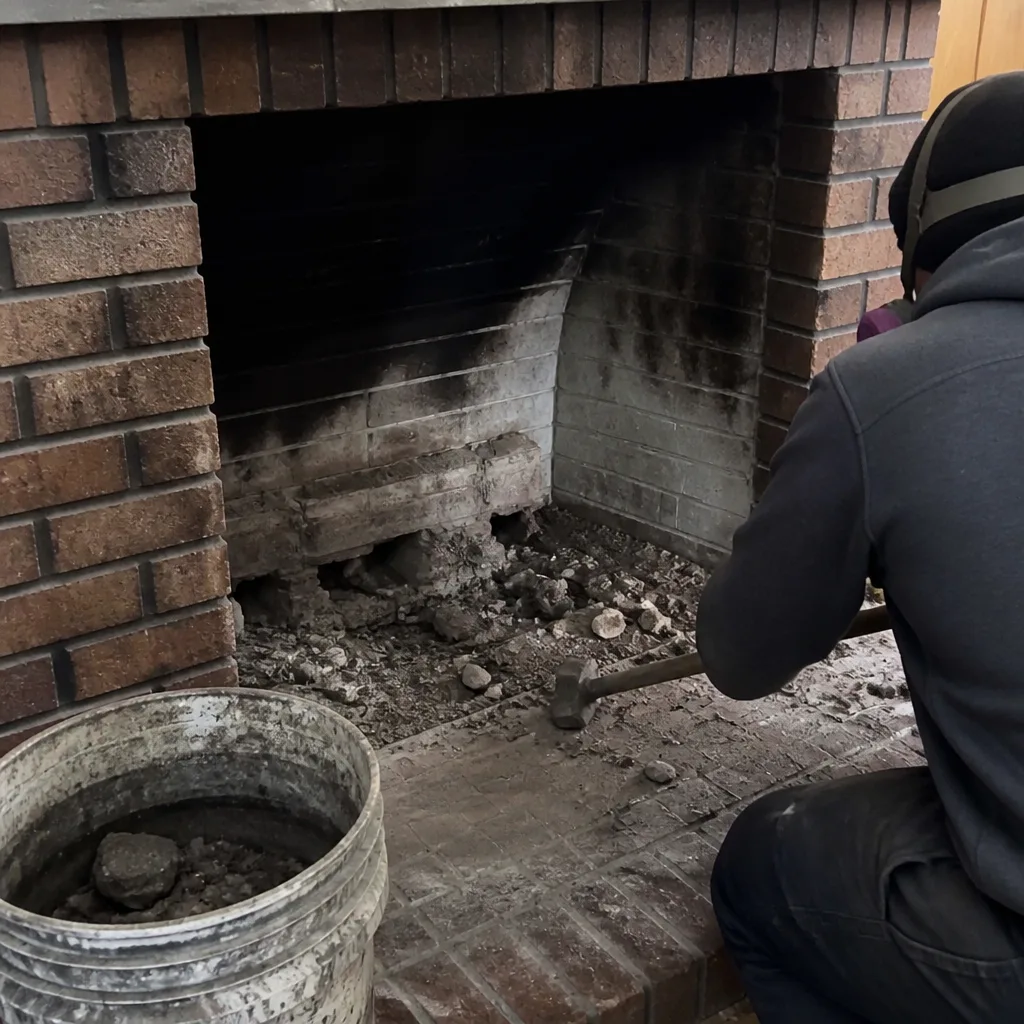 Before
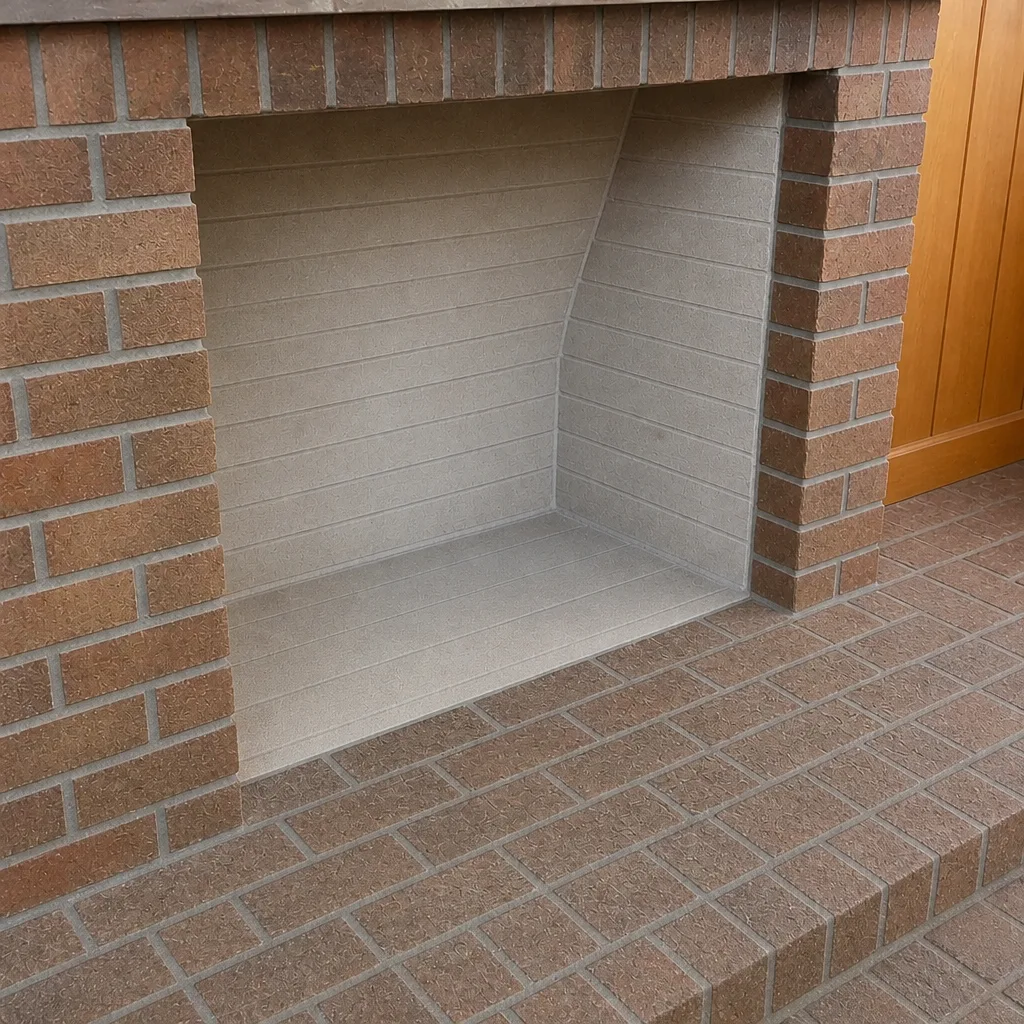 After
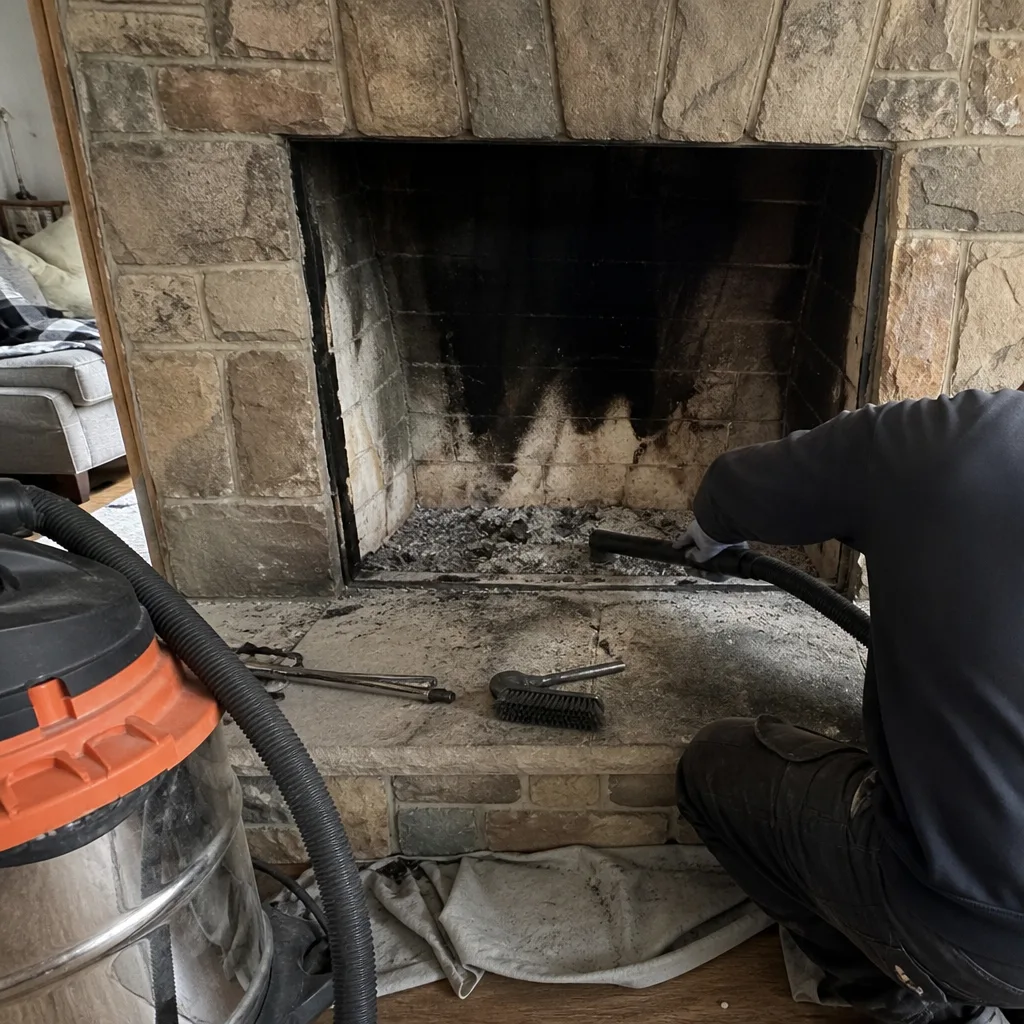 Before
 After
 Before
 After