
Last updated November 24, 2026
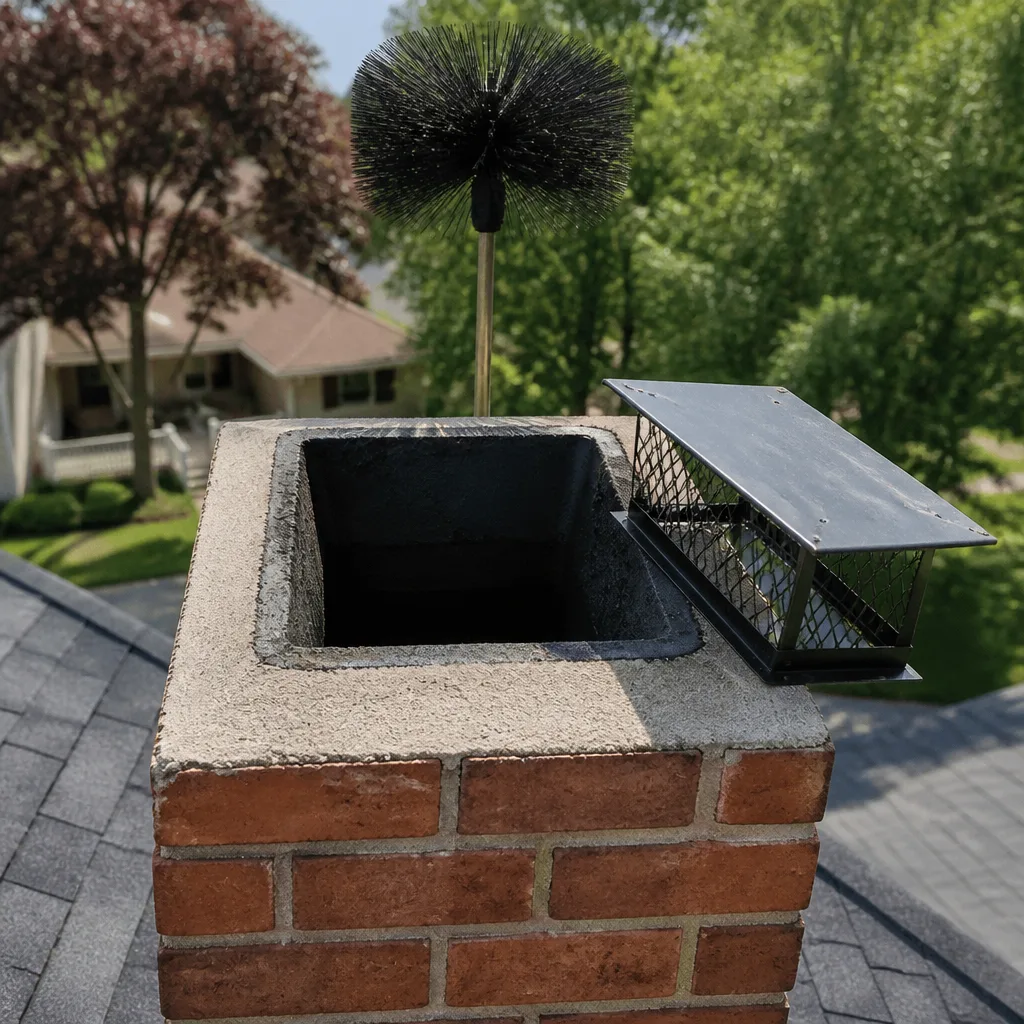 Sweep & inspection
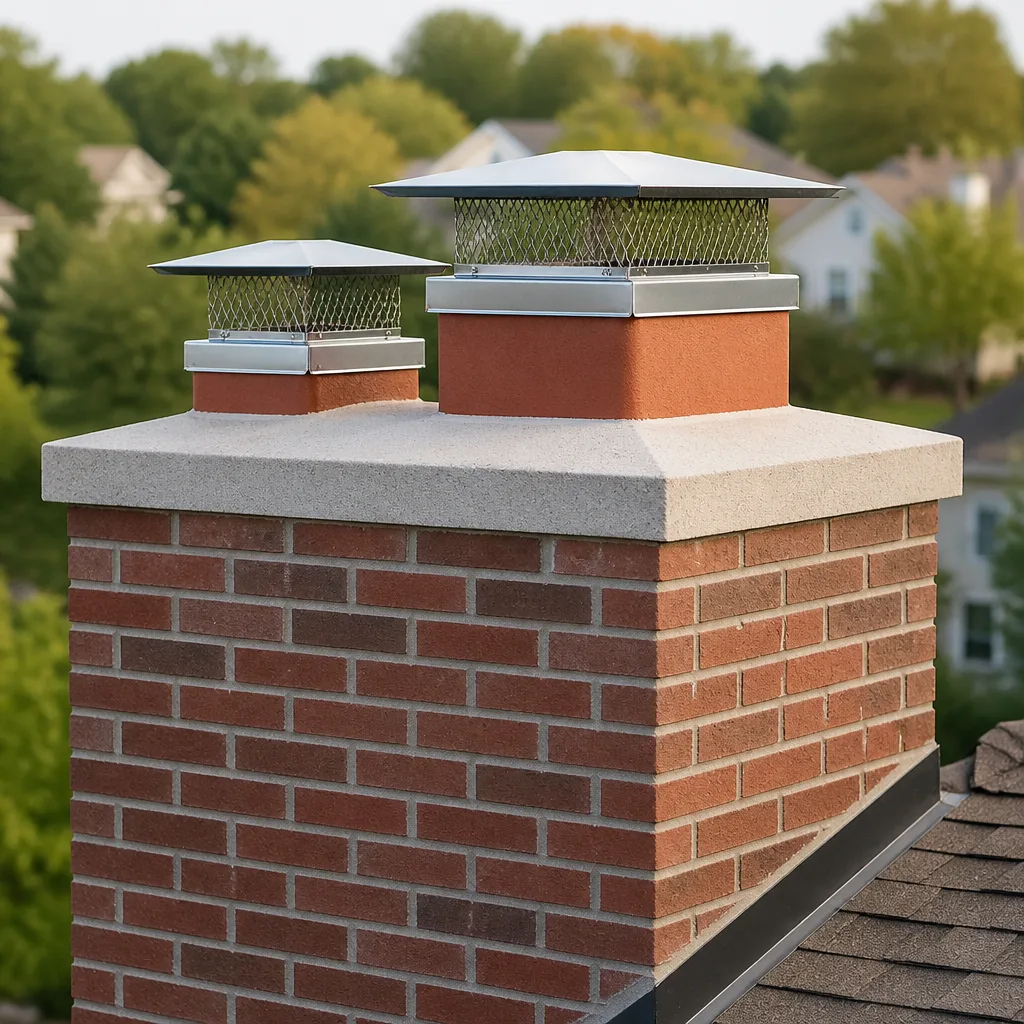 Caps & crowns
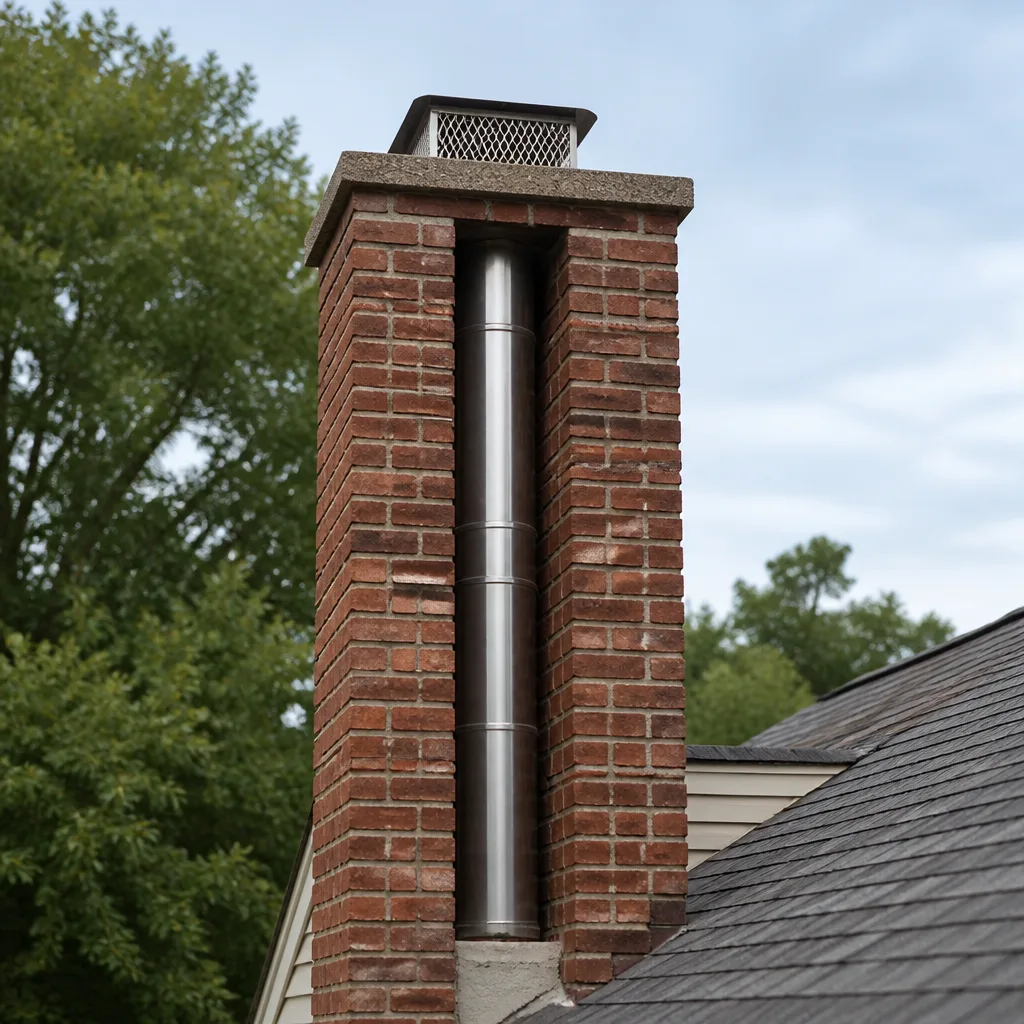 Flue relining
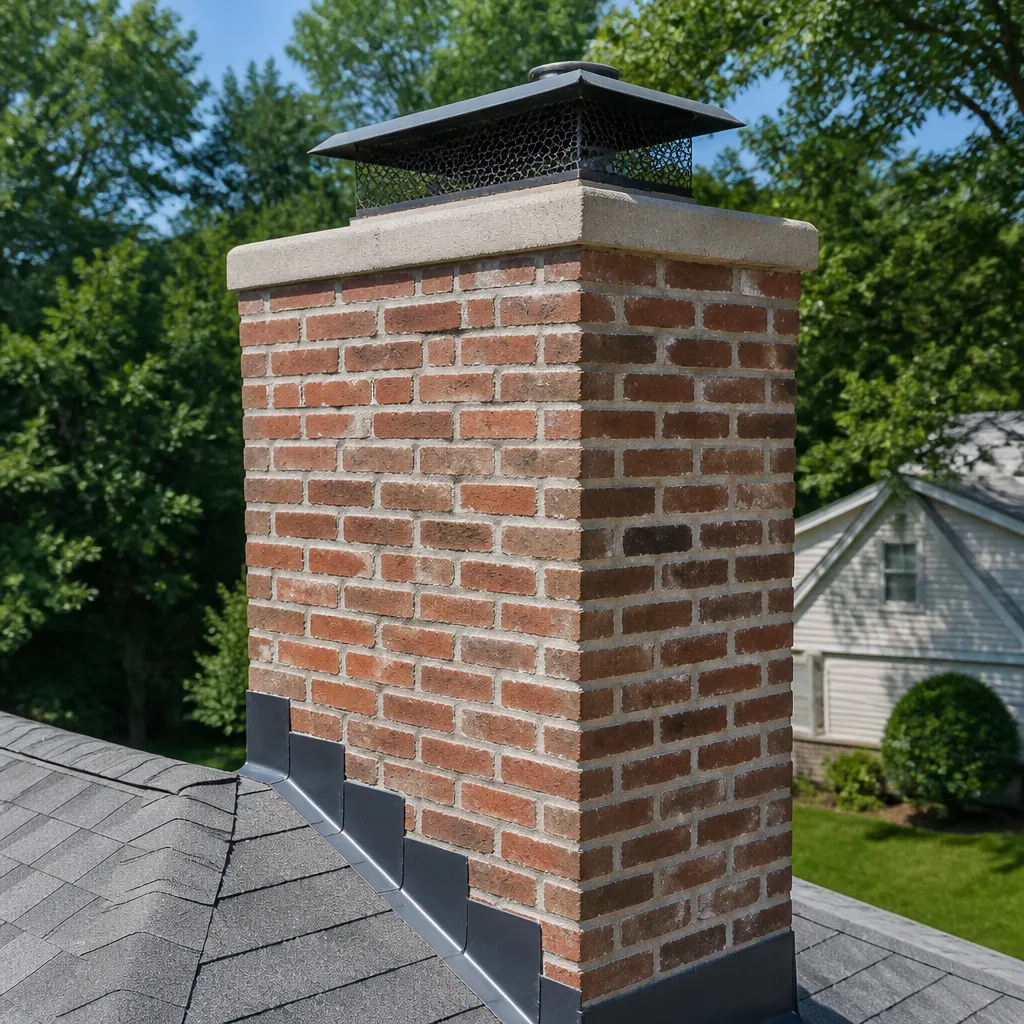 Masonry repair
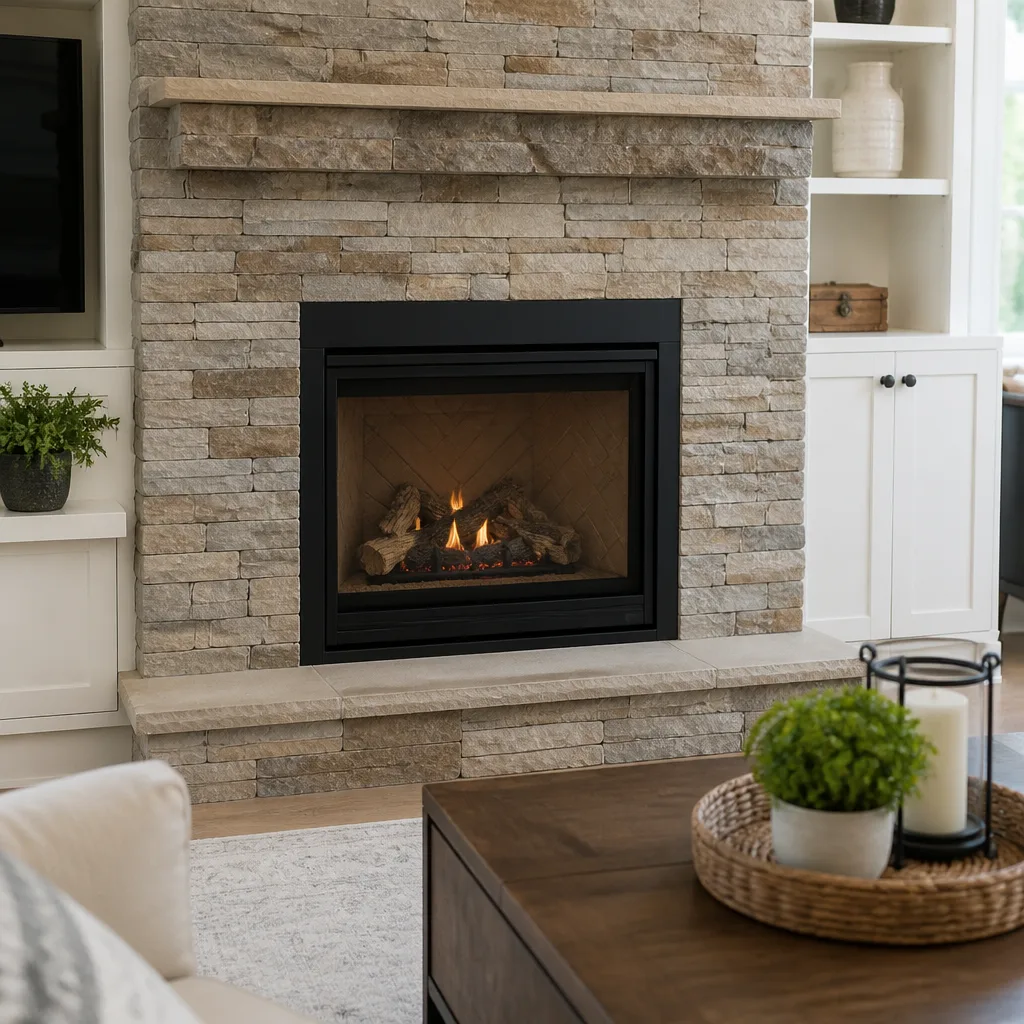 Gas fireplace service
Level 1 sweep and inspection to the NFPA 211 annual standard - flue, crown, cap, and flashing checked and photographed
Chimney sweep logs do not sweep chimneys. They loosen some creosote - which then falls where a brush and vacuum still have to collect it.
Seasonal Chimney Cleaning Care for Federal Way: Year-Round Homeowner’s Guide
Most homeowners in Federal Way book their sweep in October, right when the first cold snap hits. That timing feels natural, but it means you start heating season with last season’s creosote still coating the flue walls, and you’re competing with every other household for an appointment slot. The calendar most people follow doesn’t match the climate they actually live in. Federal Way’s wet shoulder seasons, mild winters, and moss-heavy summers create a maintenance rhythm all its own. This guide maps that rhythm month by month, so you know what to do to your chimney in spring, summer, fall and winter, and why.
Quick Answer
The best time to schedule a chimney sweep in Federal Way is late August or early September, before the first fire of the season, when the flue is dry and the schedule is open. Beyond the annual sweep, the Federal Way climate calls for spring checks on flashing and crown moss, summer attention to musty odors, and mid-winter interim inspections if you burn more than three cords a season. Cleaning once a year is a starting point, not a complete plan.
Styles & brands we work with
- Sweep & inspection
- Caps & crowns
- Flue relining
- Masonry repair
- Gas fireplace service
Table of Contents
- Why Federal Way’s Climate Changes the Chimney Calendar
- Why Late August or Early September Is the Ideal Sweep Window
- Fall: Preparing the System Before the First Fire
- Winter: What to Watch While You’re Burning
- Spring: Inspecting for Winter Damage and Moss Growth
- Summer: Musty Odors and the Question of Moisture
- Closing the System During Federal Way’s Shoulder Seasons
- The Federal Way Chimney Calendar at a Glance
Why Federal Way’s Climate Changes the Chimney Calendar
Federal Way sits in a climate that confuses the standard chimney advice. The wet season runs roughly October through April, with steady drizzle and long stretches of high humidity. Summers are mild and dry enough that moss and algae take hold on shady roof surfaces, including the crown of your chimney. Winters are cold but not severe, which means many households burn intermittently, light a fire for a few evenings, then let the fireplace sit cold for a week.
That pattern matters because a chimney doesn’t fail from one dramatic event. It fails from the accumulation of small stresses: moisture soaking into masonry, creosote layering onto a cold flue, and debris from the Douglas fir and cedar that surround many Federal Way properties collecting on cap screens.
Three local conditions drive the seasonal tasks in this guide:
- Long wet shoulder seasons. Fall and spring both deliver weeks of rain, and water is the single most destructive force on a masonry chimney. Flashing, crowns and caps take the brunt.
- Intermittent winter burning. Because winters are mild, many homeowners don’t burn steadily. Stop-and-start burning produces cooler flue gases and more creosote than a hot, continuous fire would.
- Moss-friendly summers. Shade from tall evergreens and summer humidity let moss colonize the north-facing crown and cap, holding moisture against the masonry.
Once you see the calendar through that lens, the tasks stop being “get a sweep once a year” and start being a set of timed actions. For a baseline on what a routine visit includes, our chimney sweep page covers the scope of cleaning and inspection.
Why Late August or Early September Is the Ideal Sweep Window
By late August, the dry season has done you a favor: the flue has had weeks to dry out. Creosote is brittle and comes off the walls cleanly. Scheduling is also easier, because the October rush hasn’t started. Most importantly, you finish the sweep before the first fire, so you’re burning through a clean flue instead of last season’s deposits.
Compare that with the October default. Homeowners who wait until the first cold night find two problems. First, their flue is still coated from the previous winter, and that layer can catch and burn if temperatures climb inside the chimney. Second, they’re competing with everyone else for appointments, so the work gets compressed into a narrow window.
Here’s how to plan the late-summer sweep:
- Book in early August. Aim for an appointment in the last two weeks of August or the first week of September.
- Sweep before you stock firewood. A clean flue is easier to assess, and you can see the full interior without a fresh stack of wood in the way.
- Pair the sweep with an inspection. A Level 1 inspection during the same visit catches flashing cracks, crown wear and cap screen damage before the wet season.
- Note what the technician finds. Any recommended repair should come with camera evidence or a clear description of the problem, not a verbal guess.
A dry flue also makes the sweep itself more effective. Wet, gummy creosote smears and resists brushing; brittle, dry creosote brushes away cleanly. If you’ve ever wondered why a late-summer sweep feels more thorough, that’s why. The same logic applies to any chimney repair discovered during the visit: dry masonry holds sealant and mortar far better than saturated masonry, so repairs done in late summer tend to last longer than repairs attempted in the middle of the rainy season.
Fall: Preparing the System Before the First Fire
Fall in Federal Way is the transition season, and it’s where a little preparation pays off through the whole winter. Once the sweep is done, the focus shifts to weatherproofing before the rains set in for good.
Walk through these tasks in early to mid-fall:
- Check the cap and screen. Debris from the surrounding Douglas fir and cedar collects fast. A clogged screen restricts draft and can push smoke back into the room.
- Inspect the crown. Hairline cracks in the concrete crown let water in every time it rains. Our chimney repair work includes crown work using products from dedicated chimney manufacturers, so a small crack gets addressed before it becomes a masonry problem.
- Look at the flashing. The metal that seals the chimney to the roofline is the most common source of leaks. If it’s lifting or the sealant is cracking, fix it before the wet season.
- Test the draft. Burn a small fire on a cool evening and watch the smoke. If it rolls back into the room, the flue may be restricted or the chimney may be short. That’s a sign to call before you rely on the fireplace all winter.
- Check the damper. It should open and close freely. A stuck-open damper wastes heat; a stuck-closed one is a safety issue.
Fall is also when many homeowners first notice smoke smell in the house even with no fire burning. That’s usually a pressure issue or a cold flue, and it’s worth raising during the fall visit. Getting the details right before the first real fire saves an emergency call in January, when you’d rather be warm than waiting.
Winter: What to Watch While You’re Burning
Winter is the season you’re actually using the chimney, and that’s exactly when problems show up. What you’re watching for is creosote buildup and any change in how the fireplace behaves.
Signs that your Federal Way chimney needs attention mid-season:
- Smoke rolling into the room when you light a fire, or a fire that’s hard to get started.
- A stronger, sharper smell from the fireplace than earlier in the season.
- A duller fire for the same amount of wood, which can mean a restricted or dirty flue.
- Soot or dark deposits around the top of the firebox or the damper.
- Creosote flaking onto the firebox floor.
If you burn more than three cords of wood in a season, a single annual sweep may not be enough. A mid-winter interim check catches heavy creosote before it reaches a level that restricts draft or poses a fire risk. For those homes, we recommend an interim inspection around the middle of the season, with a clean-out if buildup warrants it.
A word of safety, and it’s the important one: never attempt to remove heavy creosote or open a flue you don’t understand. Creosote can ignite, and a chimney fire that spreads into the structure is a serious emergency. If you suspect a chimney fire has occurred, even a small one, stop using the fireplace and call for an inspection before burning again. The signs include a roaring sound, a sudden rush of air, or visible flame at the top of the chimney. A trained professional can assess what happened with a camera and tell you whether the flue is still safe. This is a job for a professional, not a DIY project.
Spring: Inspecting for Winter Damage and Moss Growth
Spring in Federal Way is the damage-assessment season. Months of rain, plus the freeze-thaw cycles of a mild winter, leave their mark on the exterior of the chimney. This is the time to look before the problems compound through summer.
Spring tasks, in order:
- Inspect the flashing. The wet season is the hardest test of flashing seals. Look for lifted metal, cracked sealant or water staining on the masonry below the roofline.
- Clear moss from the crown and cap. Moss holds moisture against the concrete and masonry, and over time that moisture works its way in. Remove it, then check for cracks or spalling beneath.
- Check the cap screen for winter debris. Storms deposit needles and twigs from Douglas fir and cedar onto screens. Clear them so the flue can breathe through the warmer months.
- Look at the mortar joints. Freeze-thaw cycles open joints. A small re-pointing job in spring is far cheaper than reconstructed masonry later.
- Confirm the crown is intact. A cracked crown allows water intrusion all summer. Cracked crown work done in spring will last through the next wet season.
If a cap or crown needs replacing, the products matter. Caps and crowns from manufacturers like Gelco and Famco are purpose-built chimney weatherproofing components, not hardware-store substitutes. Using the right product in spring means the repair survives the next winter, and the one after that.
Spring is also the natural time to consider a camera inspection. Winter burning may have left creosote deeper in the flue than the fall sweep removed. A camera inspection gives you a clear look, so any recommendation is based on what’s actually there. That’s what we mean when we say we don’t recommend work without evidence you can see for yourself.
Summer: Musty Odors and the Question of Moisture
Summer is the season most homeowners forget their chimney exists, and it’s also when a musty smell can develop in an unused system. A chimney in a humid Pacific Northwest summer is essentially a cold, damp column of masonry. Air inside is still, humidity is high, and ash residue on the firebox walls holds a little moisture. That combination produces a musky, sour odor that drifts into the house even with no fire burning.
The key question is whether the smell is moisture infiltration or simply dry ash odor. Here’s how to tell:
- Dry ash odor is faint, dusty and earthy. It appears in a chimney that’s been swept and has no water intrusion. It’s a nuisance, not a failure.
- Moisture infiltration smells damp, musty or like a wet basement. It often comes with a visible clue: water staining on the firebox, a damp patch on the masonry, or a dark streak on the exterior wall below the roofline. That points to a flashing, crown or cap problem.
If the odor is dry ash, the fix is straightforward: a summer sweep and a closed damper. If it smells damp, the source is water, and covering it with a deodorizer won’t help. The fix is finding where the water enters, then sealing or repairing it. Caps and crowns from manufacturers like Olympia Chimney and Gelco are designed for exactly this, keeping water out while allowing the chimney to vent.
Summer is also the season to schedule non-urgent repairs. A dry, mild summer gives sealants and mortar time to cure properly, and the work is less likely to be interrupted by rain. If your chimney needs liner work, summer is an ideal window. Our team installs DuraFlex flexible liner systems and uses HeatShield for liner resurfacing when the situation calls for it. Both are trade-grade solutions from recognized industry brands, not improvised substitutes.
On that point: if anyone recommends a full liner replacement, ask for camera evidence. HeatShield liner resurfacing can extend chimney life without full replacement in some cases, and DuraFlex relining meets national building code requirements for the installations it’s specified for. Either way, the recommendation should be backed by a look at the actual condition of the flue, not a verbal diagnosis. We work with both options and we’ll tell you which one fits.
Closing the System During Federal Way’s Shoulder Seasons
The spring and fall shoulder seasons are the mild in-between periods: not cold enough to burn much, not warm enough to ignore the system. On a Federal Way property, these weeks are a good time to close the chimney down properly if you won’t be burning.
Steps to close the system for an extended non-use period:
- Sweep before the long rest. Ash residue left on the walls holds moisture. A clean chimney rests better than a dirty one.
- Close the damper fully. This keeps humid outside air, insects and the dry-ash odor out of the living space.
- Cap the flue if the cap is damaged or missing. A well-fitted cap from a brand like Famco or Olympia Chimney keeps rain, birds and debris out of the flue all season.
- Check the crown and flashing one more time. Before you close the system, confirm the top is sound. A crack left over the shoulder season becomes a leak in the wet season.
- Keep the firebox dry. If you notice any dampness, moisture is getting in from somewhere, and it’s worth a call before winter.
Fireplace repair fits the same window. Small issues like a cracked firebox, a loose damper or a worn surround are best addressed during the dry months. If a firebox needs re-lining or the masonry needs attention, our fireplace repair work is done with the same trade-grade materials as the rest of the system. Delaying a firebox repair means the next fire could turn a small issue into a larger one.
The shoulder season is also the ideal time to ask the simple question: is anything here actually a problem? A sweep and inspection visit with camera documentation answers that. You see what we see. If nothing needs work, we tell you so, and we say plainly when a repair can safely wait.
The Federal Way Chimney Calendar at a Glance
Here’s the year mapped to specific tasks. Use it as a checklist, not a rigid schedule. Your burn habits and chimney condition determine the exact timing.
- Late August to early September: Annual sweep on a dry flue. Level 1 inspection. Schedule early to avoid the fall rush.
- Early to mid-fall: Check cap screen, crown, flashing and damper. Test draft with a small fire. Address any small repairs before the wet season.
- Mid-winter: Interim check if you burn more than three cords. Watch for smoke roll-back, weak draft or heavy creosote. Any chimney fire signs mean stop burning and call.
- Spring: Inspect flashing, clear moss from the crown and cap screen, check mortar joints, confirm the crown is intact. Camera inspection if winter burning was heavy.
- Summer: Address musty odors by identifying whether the source is dry ash or moisture. Schedule non-urgent repairs and liner work during dry weather. Sweep before an extended rest.
- Shoulder seasons: Sweep, close the damper, confirm the cap, check the crown and flashing, and address fireplace repair while the weather is dry.
The single biggest departure from standard advice is the fall sweep. Standard advice says October; the Federal Way climate says late August. The single biggest addition is the mid-winter interim check for heavy burners. Put those two changes in place and the rest of the calendar follows naturally.
Common Mistakes to Avoid
- Waiting for the first cold snap to book a sweep. By then you’re burning through last season’s deposits and competing for answers. Book in late August instead.
- Treating the annual sweep as the whole plan. In Federal Way’s wet climate, the sweep catches creosote but misses flashing, crown and cap damage that cause water problems all year.
- Ignoring moss on the crown. Moss holds moisture against masonry, and over a couple of seasons that moisture becomes a structural crack. Clear it in spring.
- Assuming a musty smell is “just the chimney.” Dry ash odor is harmless; the damp, basement-like smell points to moisture infiltration, which needs a real fix, not a deodorizer.
- Accepting a liner recommendation without camera evidence. If someone says you need a full reline and won’t show you the inside of the flue on camera, get a second opinion.
- Continuing to burn after a suspected chimney fire. Even a small fire can damage the flue. Stop using the fireplace and get it inspected before the next fire.
- Leaving a damaged cap through the wet season. A missing or cracked cap lets water and debris in all winter. Replace it with a purpose-built cap before the rains set in.
See the difference
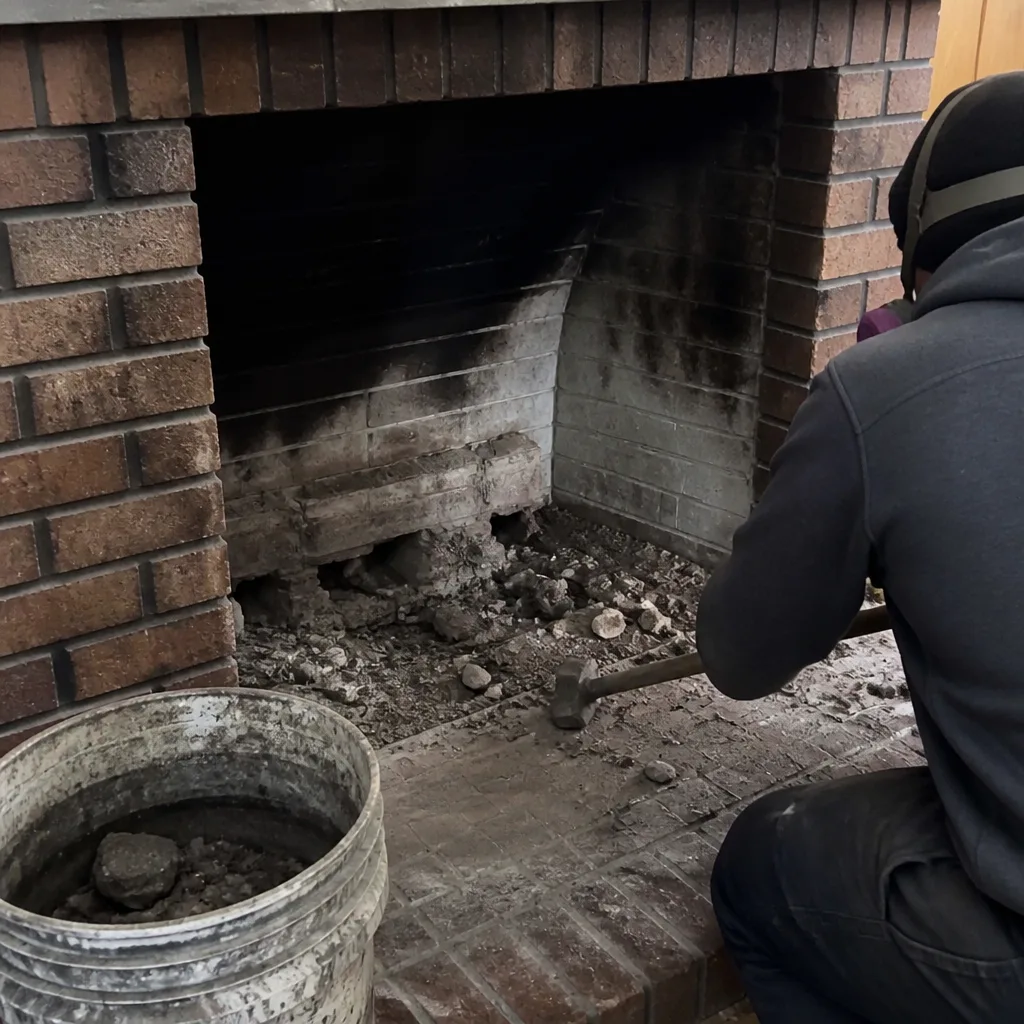 Before
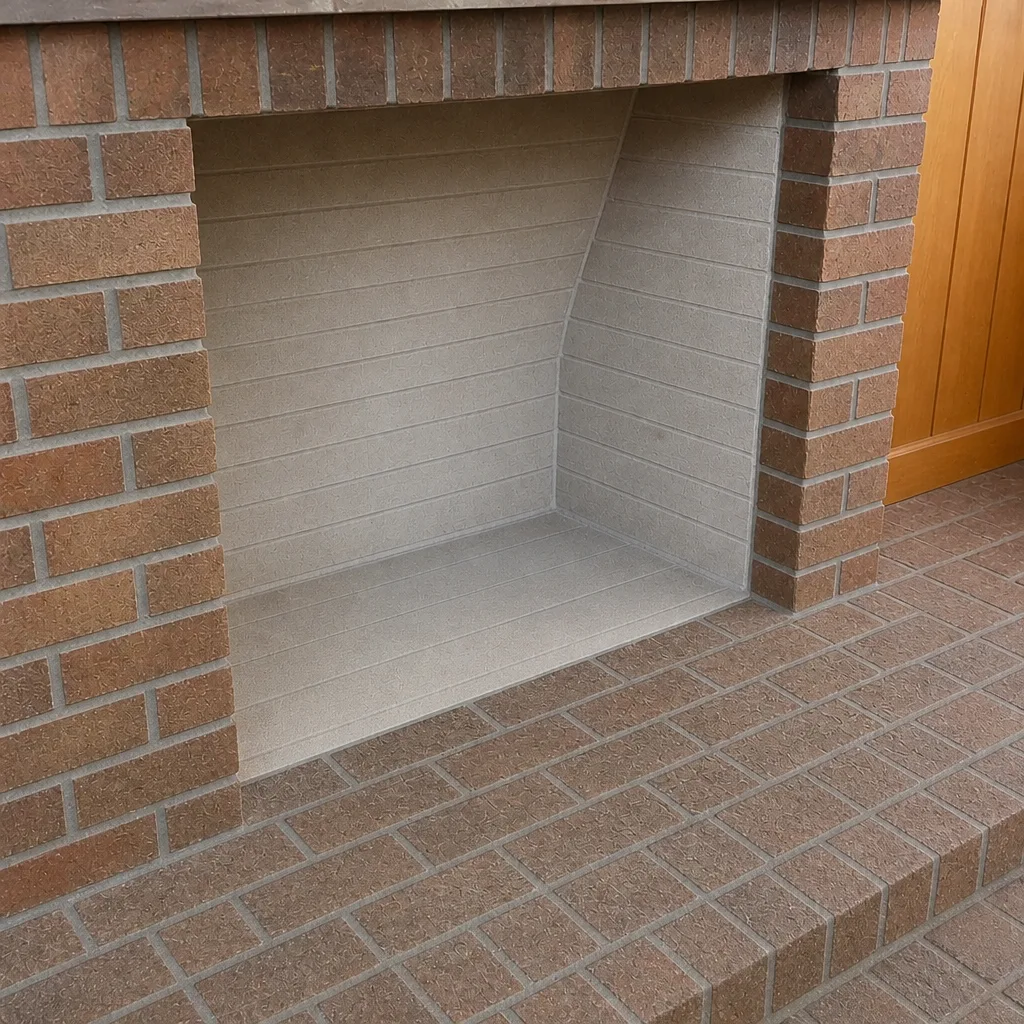 After
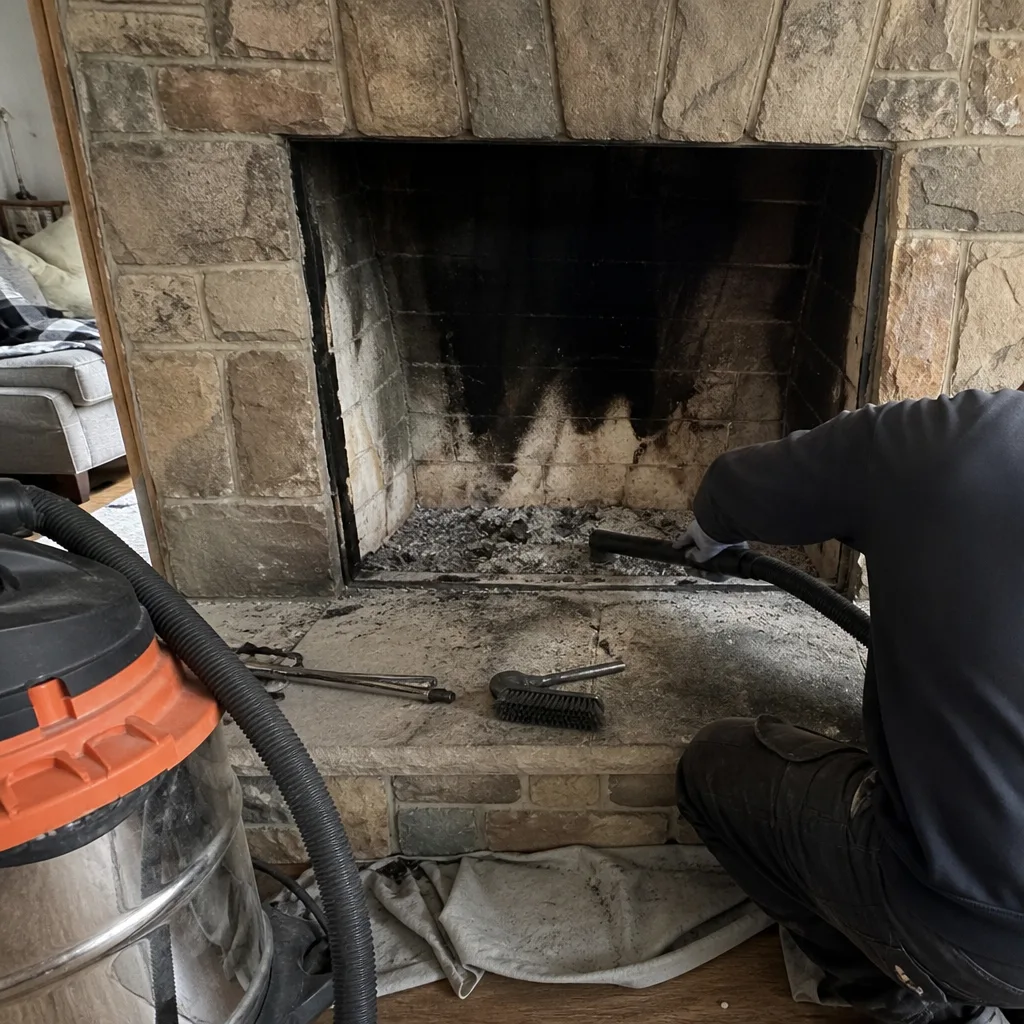 Before
 After
 Before
 After
When to Call a Professional
Call a professional if you smell a damp, musty odor with no fire burning, if smoke rolls back into the room, if you see water staining on the masonry or firebox, or if you’ve had a suspected chimney fire. Call if you burn more than three cords a season and haven’t had an interim check, if moss or cracking is visible on the crown, or if you’re buying a home in Federal Way and need an inspection before closing. Any work on high-tension components or heavy creosote removal is a job for a trained professional. Federal Way Chimney Sweep Pros offers free estimates in Federal Way. Call (844) 949-4711. We answer 24/7. Fast dispatch from 7am to 7pm, Sunday through Friday.
Frequently Asked Questions
Most Federal Way homes should be swept once a year, ideally in late August or early September, before the first fire. If you burn more than three cords of wood a season, add a mid-winter interim check. Homes that burn heavily or burn unseasoned wood may need two sweeps a year.
Late August gives you a dry flue, so creosote brushes off cleanly, and scheduling is easier before the fall rush. You also finish the sweep before the first fire, so you’re burning through a clean flue instead of last season’s deposits. October works, but it’s the busiest window and the wet season has already started.
A faint, dusty ash odor in summer is normal; a damp, musty, basement-like smell is not. The damp smell means moisture is getting in, usually through flashing, crown or cap damage. A sweep and inspection can identify the source with camera evidence. Call (844) 949-4711 for an exact quote.
Remove moss from the crown and cap in spring, then check beneath it for cracks or spalling. Moss holds moisture against masonry, and in Federal Way’s humid summers that moisture can turn into structural damage. If the crown is already cracked, a repair using purpose-built materials from a chimney manufacturer is the durable fix.
No. Even a few fires a season leave creosote on the flue walls, and over time that layer builds up. A sweep also includes an inspection that catches flashing, crown and cap problems before they leak. Skipping the sweep for years lets those issues compound unnoticed.
It depends on the condition of the flue, and the recommendation should follow a camera inspection. HeatShield resurfacing can extend chimney life in some cases without full replacement, while DuraFlex flexible liners suit complex flue configurations and meet national building code requirements. We’ll recommend the option that fits and show you why.
The Bottom Line
Federal Way’s climate calls for a chimney calendar that goes beyond a single annual sweep. Late August is the optimal sweep window, spring is for flashing, moss and crown checks, summer is for musty odors and non-urgent repairs, and winter is for interim checks if you burn heavily. The shoulder seasons are the time to close the system down properly for extended non-use. Get the timing right and you’ll spend less on repairs, catch problems before they leak, and burn safely through the season. All work is set per job by the written estimate, and none of it is recommended without evidence you can see.
Call (844) 949-4711 for a free estimate. We answer 24/7, with fast dispatch from 7am to 7pm, Sunday through Friday.
Written by the team at Federal Way Chimney Sweep Pros.