
Last updated November 24, 2026
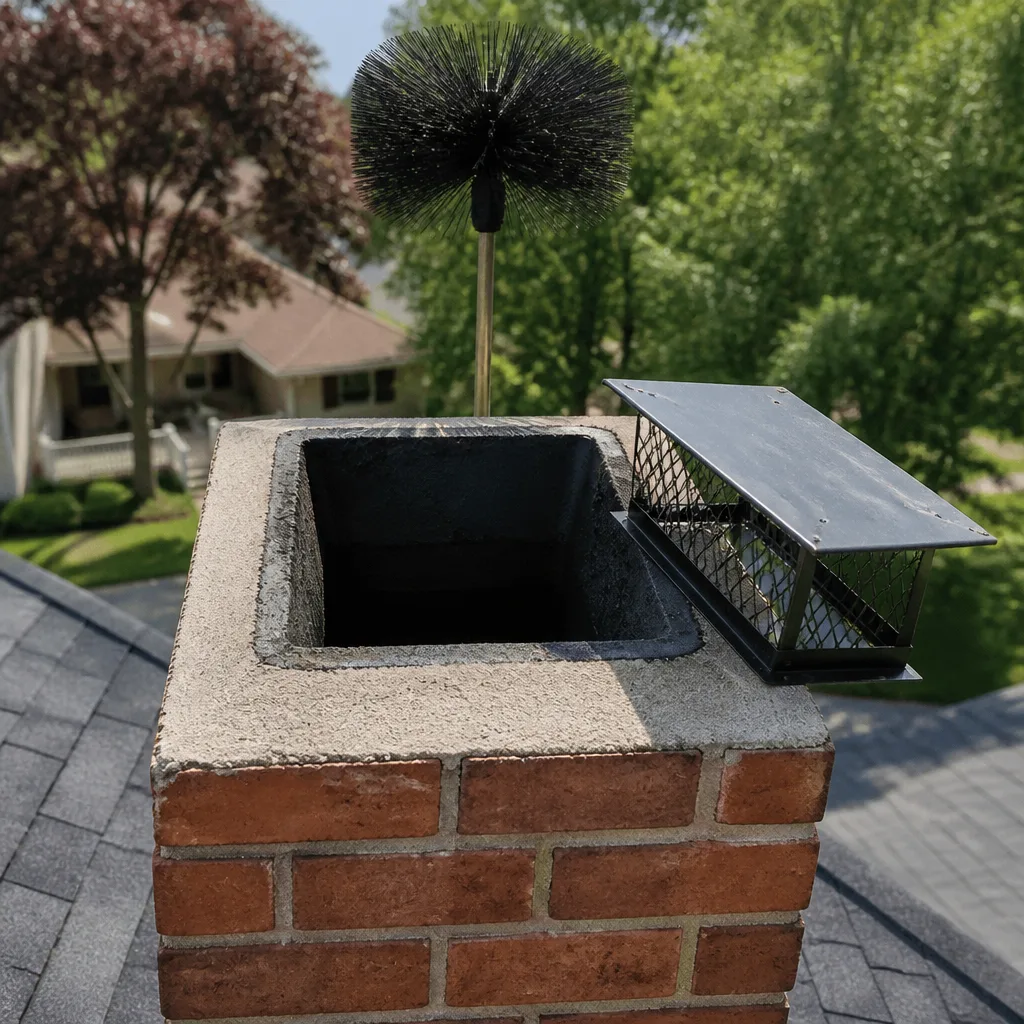 Sweep & inspection
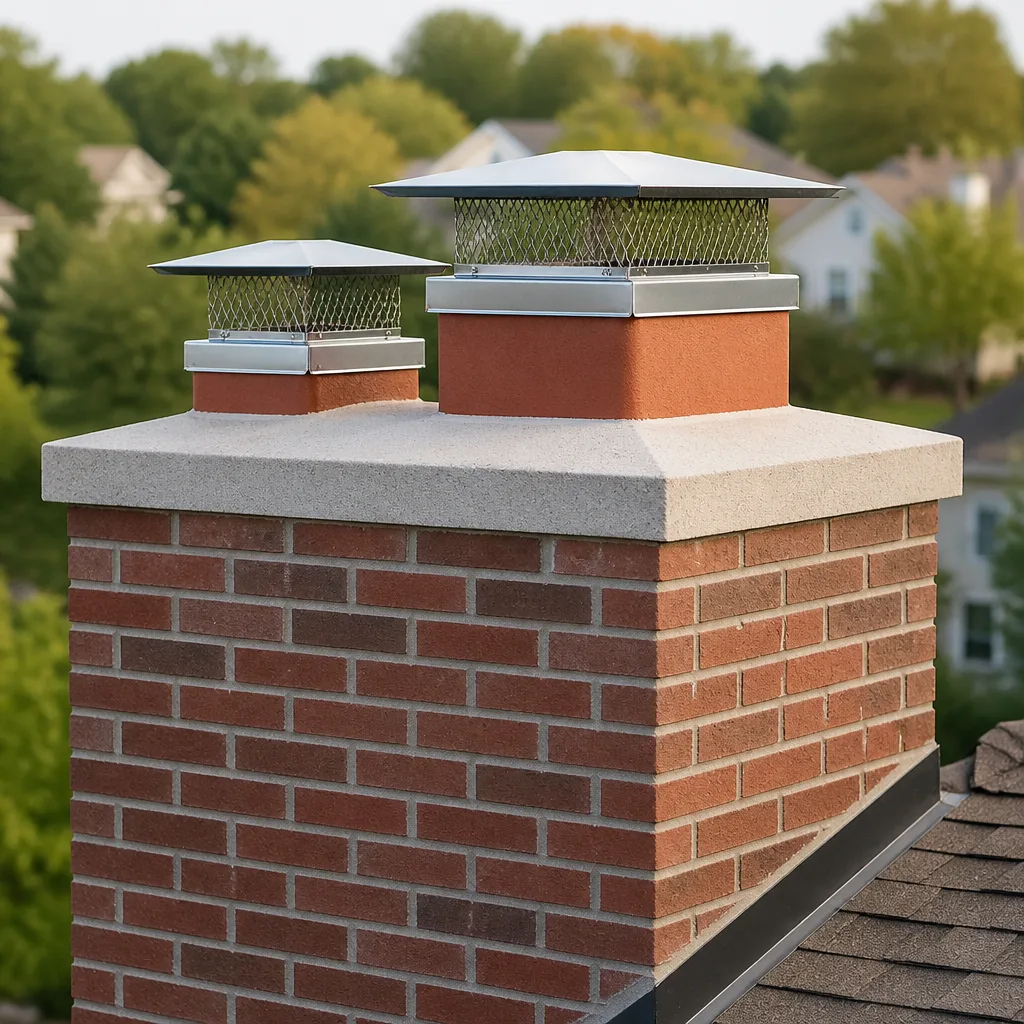 Caps & crowns
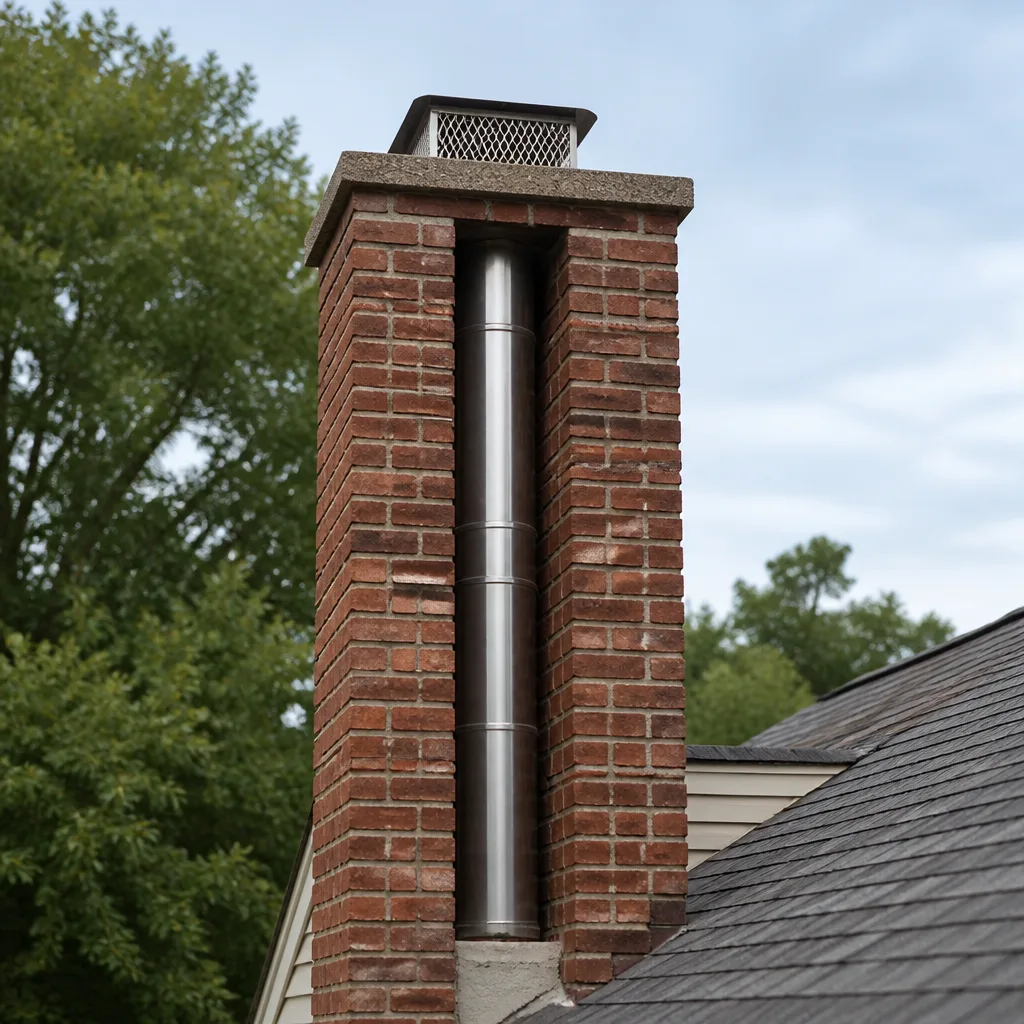 Flue relining
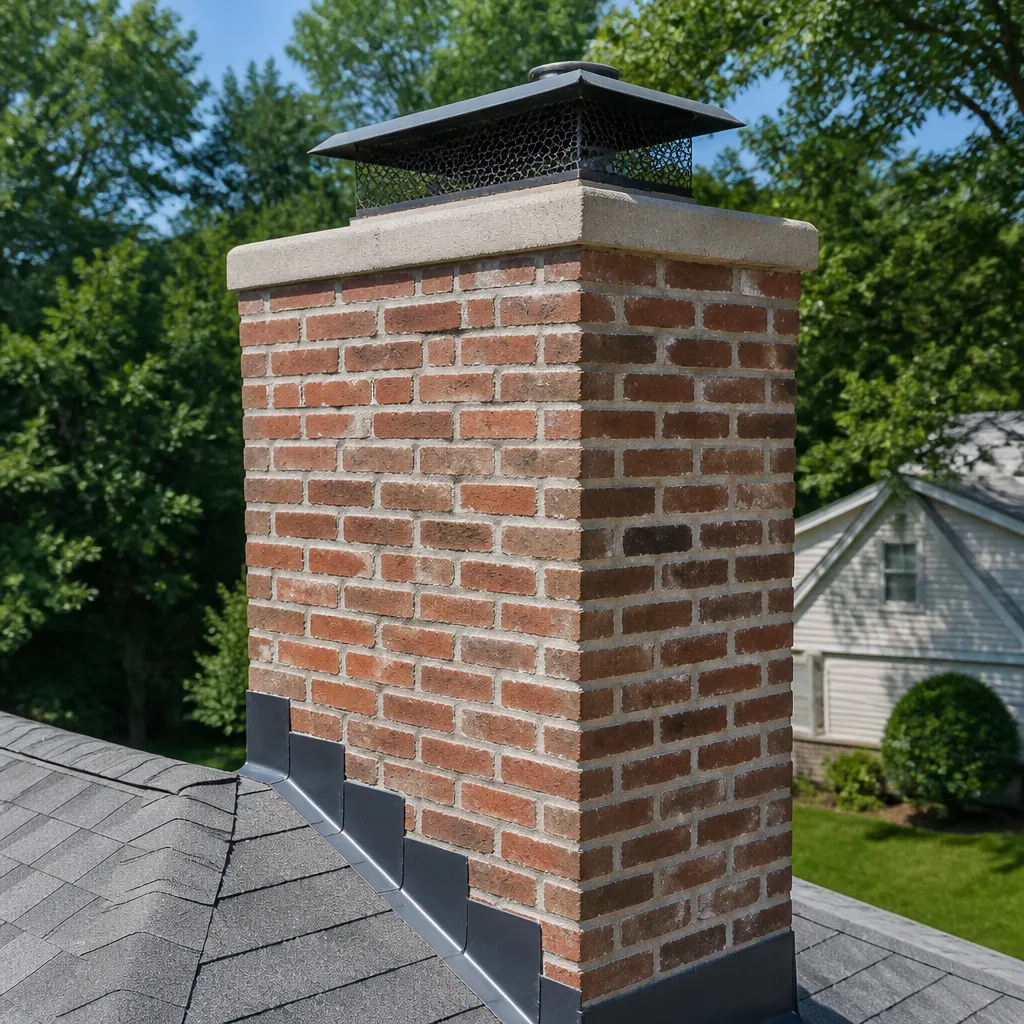 Masonry repair
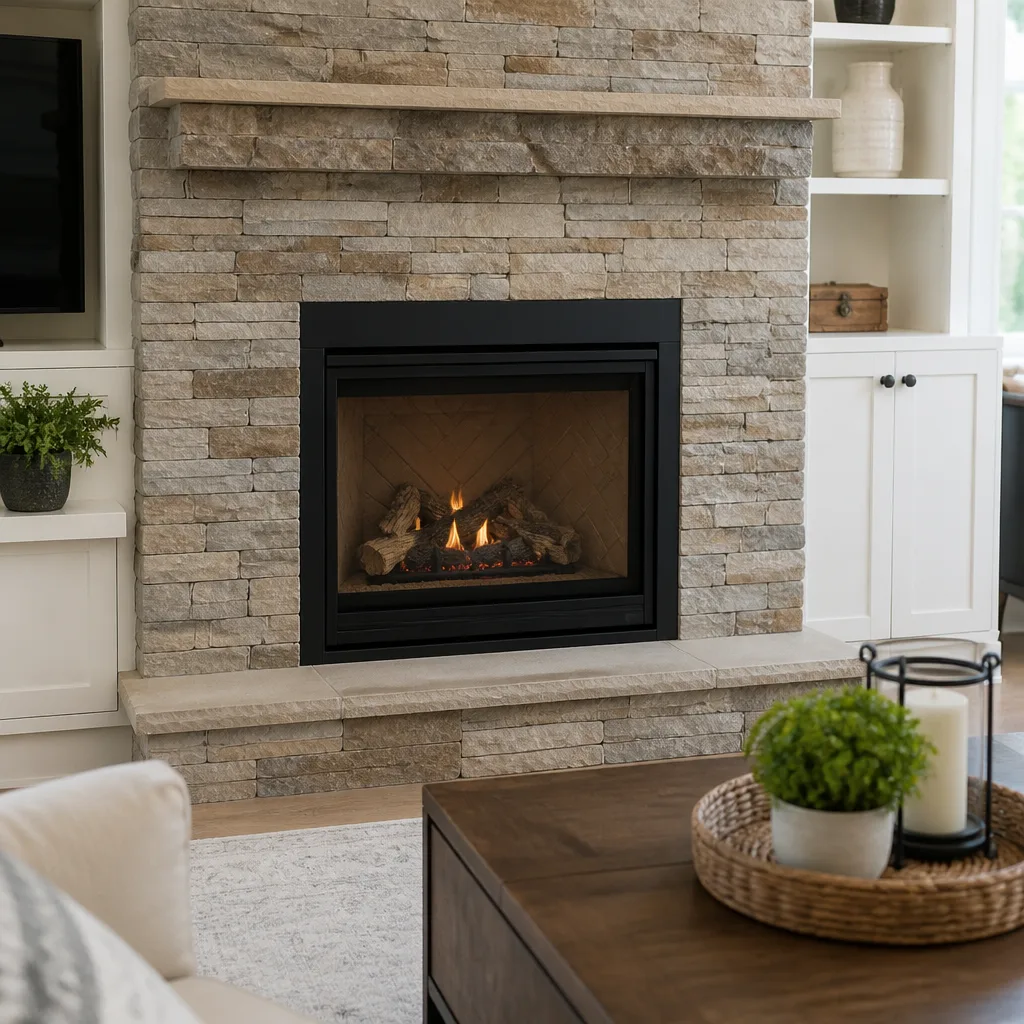 Gas fireplace service
Level 1 sweep and inspection to the NFPA 211 annual standard - flue, crown, cap, and flashing checked and photographed
Chimney sweep logs do not sweep chimneys. They loosen some creosote - which then falls where a brush and vacuum still have to collect it.
How to Hire a Chimney Cleaning Contractor in Federal Way: A Step-by-Step Guide
A Washington State business license tells you almost nothing about whether a chimney contractor is qualified. There is no state-level chimney-specific licensing requirement in Washington, which means the entire vetting burden lands on you, the homeowner. Federal Way has no shortage of general handymen, pressure-washing companies, and gutter crews who list “chimney cleaning” as an add-on service without the training, equipment, or liability coverage to do it safely. What follows is the exact process we’d walk a neighbor through: how to verify credentials directly at the source, which questions to ask before booking, and how to spot the contract language that separates a specialist from a sideline operator.
Quick Answer
To hire a chimney cleaning contractor in Federal Way, verify the technician’s CSIA Certified Chimney Sweep credential directly through the CSIA online database, confirm liability insurance and get a written scope of work before anyone climbs on your roof, and ask five specific questions about camera inspection, equipment brands, subcontracting, insurance limits, and estimate format. Skip any contractor who can’t answer those questions in writing. A genuine sweep will welcome the scrutiny; a sideline operator will get defensive.
Styles & brands we work with
- Sweep & inspection
- Caps & crowns
- Flue relining
- Masonry repair
- Gas fireplace service
Table of Contents
- Step 1: Verify Credentials at the Source
- Step 2: The Five Questions to Ask Before Booking
- Step 3: Why a Suspiciously Low Quote Is a Warning Sign
- Step 4: What a Legitimate Scope of Work Should Include
- Step 5: How to Read Online Reviews Like an Investigator
- Step 6: What Federal Way’s Climate Means for Your Chimney
- Step 7: Specialist vs. Generalist – Why It Matters
- Common Mistakes to Avoid
- When to Call a Professional
- Frequently Asked Questions
Step 1: Verify Credentials at the Source
Here’s the first thing most homeowners get wrong: they see a CSIA badge on a website and assume it’s been checked. A logo is an image file. Anyone can paste one onto a page. The CSIA Certified Chimney Sweep credential is real and meaningful, but only if you confirm it yourself.
Open the Chimney Safety Institute of America’s website and use their public search tool to look up the company or technician by name and location. The database shows whether the certification is current. Certifications expire, and a lapsed credential is different from an active one.
Ask for the following before you book:
- The name of the individual technician who will actually be on your roof, not just the company name. Look that name up in the CSIA database.
- A certificate of insurance showing current general liability coverage. Ask for it in writing.
- The UBI number tied to their Washington State business license, which you can verify through the Department of Revenue’s business lookup.
If a company can’t produce an insurable, certified technician with a verifiable name, you’re taking on real risk. A technician without liability coverage who damages your flashing or cracks a flue tile leaves you holding the repair bill.
In our experience working Federal Way neighborhoods from Twin Lakes to Redondo, the vetting step filters out most of the problem contractors before money changes hands. It takes ten minutes and it’s the highest-leverage thing you can do.
Step 2: The Five Questions to Ask Before Booking
Ask these questions by phone or email before anyone shows up. The answers tell you more than any advertisement will.
- “Do you perform a camera inspection of the flue, and will I see the footage?” A real chimney professional uses a flue camera and shows you what it found on the monitor. A company that only shines a flashlight down the flue from the top cannot see the liner’s interior condition. If the answer is no camera, ask why.
- “What brands of liner and cap do you use?” A professional chimney specialist uses trade-grade materials. We source from chimney repair-grade brands like DuraFlex for flexible liner systems, HeatShield for liner resurfacing, and Olympia Chimney, Famco, or Copperfield for caps and crowns. A generalist will typically say “whatever the supply house has.” That answer tells you everything.
- “Do you subcontract any of this work?” If a company subs out the sweep to a third party, you have two contractors and no single point of accountability. Ask directly and write the answer down.
- “What are your liability insurance limits?” Minimum coverage for roof-access work should be substantial. Ask for the certificate, not just a verbal “yes, we’re insured.”
- “Can you send me a written estimate format before the visit?” A legitimate contractor can describe how the estimate will be structured: line items, conditions observed, recommended work. If they say “we’ll figure it out on site,” that’s a warning sign.
A specialist answers all five without hesitation. A sideline operator stalls, changes the subject, or gets annoyed. That annoyance is your answer.
Step 3: Why a Suspiciously Low Quote Is a Warning Sign
When a Federal Way homeowner tells us they got a quote under $99 for a chimney sweep, we already know what’s coming next in the conversation. That price doesn’t cover the cost of a trained technician, a properly equipped vehicle, insurance, and liability. It’s a door-opener price designed to get someone into your home, where the upsell begins.
The upsell-based business model depends on the technician finding “urgent” problems once they’re on your roof: a cracked flue tile, a failing liner, a crown that “needs immediate replacement.” Some of these diagnoses are legitimate. Many are inflated. The homeowner has no way to verify because they’re looking at the top of a chimney they can’t see into.
A proper sweep in Federal Way, done with a camera inspection and a written report, is priced to cover actual work. That’s not gouging; it’s what a qualified job costs. The realistic range reflects:
- Travel and setup time, including roof access and safety rigging
- The sweep itself, using proper brushes sized to the flue
- A camera inspection of the liner interior
- A written report with photographs
- Liability insurance covering the technician and the homeowner
If a quote is dramatically below what others have quoted you, ask yourself what’s not being included. The cheapest bid rarely stays the cheapest once the upsell arrives.
Step 4: What a Legitimate Scope of Work Should Include
Before any work begins, a legitimate contractor provides a written scope of work. This document is your protection. Here’s what it should include:
- The specific address and chimney location being serviced, not just “chimney cleaning.”
- The type of sweep performed: standard flue sweep, with or without camera inspection.
- The equipment used: brush type, rod type, drop cloth setup, and camera model if a camera inspection is included.
- Findings from the inspection, in writing, with photos, not just a verbal interpretation.
- Recommended next steps, separated into “urgent,” “plan for,” and “monitor.”
- The price and payment terms, itemized. No surprise line items after the work is done.
- A statement of what the work does and does not cover, including whether the sweep includes a Level 2 inspection.
Missing any of these signals an inexperienced or dishonest contractor. A sweep without a written findings report is a sweep you can’t act on. You’ll have paid for a cleaning but learned nothing about your chimney’s actual condition.
A professional chimney specialist also tells you plainly when work can wait. Not every finding is urgent. A small amount of glaze on the flue from occasional fireplace use is not the same as a failing liner. Our approach is to recommend nothing without camera evidence the homeowner can see.
Step 5: How to Read Online Reviews Like an Investigator
Reviews are useful, but not in the way most people read them. Reading “great service!” tells you nothing. Reading negative reviews with a specific eye reveals the operational failures that repeat across jobs.
Look for these patterns in negative reviews specifically for chimney contractors:
- Surprise line items on final invoices that weren’t in the written quote. This is the most common complaint pattern with upsell-model companies.
- “They found problems the last company didn’t” in a review from a homeowner who had a different contractor before. Sometimes this is legitimate. Read the review carefully: did the second contractor show camera footage, or just say there was a problem?
- “They didn’t clean up” or “soot on my floors.” A proper sweep uses drop cloths and vacuums with HEPA filtration. Sloppy cleanup signals sloppy work.
- “Different technician than who I spoke to” without explanation. Subcontracting or high turnover, both worth investigating.
- “Couldn’t show me the camera footage” or “no written report.” These are the reviews to pay the most attention to.
- Repeated complaints about the same category across multiple reviews. One negative review is often a personality conflict. Three reviews describing a specific operational failure is a pattern.
Cross-reference a company’s reviews against the CSIA database and their business license. A Federal Way contractor with strong reviews, a current CSIA certification, and a clean insurance record is a safer bet than one with perfect reviews and no credential. The credential is a higher-confidence signal than the review count.
Step 6: What Federal Way’s Climate Means for Your Chimney
Federal Way sits in a climate where chimney operation is seasonal but chimney standing water is not. The Pacific Northwest’s wet fall and winter months drive moisture into masonry, crowns, and flashing. Over repeated seasons, freeze-thaw cycles crack mortar joints and crown edges, and that’s the entry point for water damage inside the flue.
Fireplace use in Federal Way tends to concentrate in the cooler months, which means creosote accumulation has a season of buildup followed by a long dormant stretch. Creosote that sits through a damp winter is more likely to be the glazed, hardened variety by the second year. A sweep done before the burning season begins is far easier and less expensive than a sweep done after two seasons of hardened buildup.
The local housing stock matters too. Federal Way has a broad mix of midcentury homes and newer construction, with masonry chimneys in the older neighborhoods and prefabricated metal units in newer subdivisions. Prefabricated chimneys have different liner and cap requirements than masonry, and the sweep method differs. A contractor who shows up with the same brush for both types is a red flag.
What no amount of local weather data can tell you is whether your flue is obstructed, cracked, or clear. The only way to know that is a camera inspection with a written report you can look at yourself.
Step 7: Specialist vs. Generalist – Why It Matters
Federal Way’s chimney market includes general handymen, roofers, gutter companies, and pressure-washing services who’ve added “chimney cleaning” to their service list. In some cases, this works out fine. In most cases, it doesn’t, and here’s why.
A chimney is a system with specific components: the firebox, the damper, the smoke chamber, the flue, the crown, and the cap. Each has different maintenance and repair requirements. A specialist understands how these interact. A generalist cleans what they can see and moves on.
Consider the liner. A stainless flexible liner from DuraFlex meets national building code requirements for relining and fits complex flue configurations. Some contractors won’t quote these because they don’t have the experience to install them. The homeowner ends up with either a “we don’t do that” answer or a cheaper alternative that doesn’t meet code. A specialist has the materials and the training to handle the full scope.
The full-scope specialist also handles the chimney lifecycle: chimney sweep, inspection, cap and crown installation from Famco or Copperfield, fireplace repair, and liner work, all from the same team. That matters because diagnosis and repair are connected. A generalist who sweeps your chimney but refers the crown repair to someone else is a split responsibility. If the crown fails two winters later, who’s accountable?
We handle the whole system under one roof at Federal Way Chimney Sweep Pros, which is how we’ve chosen to structure the business. That doesn’t mean a generalist can’t do a good job; it means a specialist has fewer ways to fail.
Common Mistakes to Avoid
- Trusting a logo without database verification. A CSIA badge on a website is not proof. Look the technician’s name up in the CSIA database yourself. It takes under two minutes and eliminates the most common credential misrepresentation in Federal Way.
- Booking based on price alone. The under-$99 quote is a signal of the upsell model, not a value. Pay for the job that includes a camera inspection and a written report, and avoid the call where the technician “finds” thousands of dollars of problems after arrival without evidence.
- Accepting a verbal diagnosis with no camera footage. If the technician tells you your liner is cracked and can’t show you the crack on a monitor or in a photo, you’re working from faith, not evidence. Ask for the footage before authorizing any repair.
- Skipping the written scope of work. Without a written scope, there’s no protection against surprise line items or “we found more.” Require the scope in writing before anyone arrives.
- Hiring a contractor whose chimney work is all subcontracted. The company you hire should be the company doing the work. Ask the question directly and get the answer in writing.
- Missing the pre-season sweep window. Scheduling a sweep before the burning season begins means easier creosote removal and more time to address findings. Waiting until November puts you in the peak scheduling crunch with a full flue.
- Ignoring the crown and cap. Most water damage to Federal Way chimneys enters through the crown and flashing, not the flue. A sweep that doesn’t include a crown and cap inspection misses a large share of the actual risk.
When to Call a Professional
Call a professional chimney contractor when you’ve burned enough fires to accumulate creosote, when you notice smoke spilling into the room instead of going up the flue, when you smell a strong smoky odor in the home when the fireplace isn’t in use, when you see cracked or missing mortar on the chimney crown, or when your last sweep was more than a season ago and you haven’t had the flue inspected.
Any of those signs deserves a look. Lightning-strike damage, chimney fires, or water intrusion should get an inspection before your next fire. Carbon monoxide risk is real for any chimney with a blocked or damaged flue, and any draft problem warrants a professional diagnosis rather than a workaround.
The stakes on chimney work are not high because chimney sweeps are scary people. They’re high because the flue is the exhaust pathway for combustion gases. A properly sized, properly maintained, unblocked flue is basic home safety. Federal Way Chimney Sweep Pros offers free estimates in Federal Way, and we can walk you through what a proper inspection covers before you commit to anything. Call Federal Way Chimney Sweep Pros at (844) 949-4711. We answer 24/7. Fast dispatch from 7am to 7pm, Sunday through Friday.
Frequently Asked Questions
A proper chimney sweep in Federal Way, including a camera inspection and a written report, typically falls in the range a trained technician needs to cover labor, equipment, insurance, and travel. Quotes under $99 in this market are almost always an upsell-based model, not a genuine value. The written estimate sets the final price, and we don’t recommend anything without camera evidence you can see. Call (844) 949-4711 for an exact quote. Estimates are free.
Yes, for any chimney you plan to keep using. A flashlight from the top of the flue cannot see the interior condition of the liner, the smoke chamber, or the joints. A camera inspection is the only way to know whether the flue is clear, whether the liner is intact, and whether a repair is actually needed. Without a camera, any diagnosis is a guess.
The general rule is once per year when the fireplace is in regular use, and more often if you burn frequently or burn unseasoned wood. In Federal Way’s wet climate, creosote can harden during the dormant season, so a pre-season sweep before the burning months is the easier and less expensive job. If it’s been more than a year, book an inspection before your next fire.
Creosote builds up on the flue walls, and at a certain accumulation it becomes a fire hazard. The bigger risk in this climate is the opposite: water intrusion through a failing crown or flashing damages masonry over repeated freeze-thaw cycles until the repair becomes structural rather than cosmetic. Skipping a sweep is cheap now and expensive later. Call (844) 949-4711 for an honest assessment. Estimates are free.
Not always. Many Federal Way chimneys that come to us with a “you need a new liner” diagnosis can be restored using HeatShield, the industry-standard resurfacing system that repairs the existing flue without a full liner replacement. The right answer depends on what the camera finds, and we won’t recommend a liner replacement without footage you can see. Some problems can safely wait a season.
Go to the Chimney Safety Institute of America’s website and search their public certification database by the technician’s name. Don’t rely on a logo on a webpage. Ask for the name of the individual who will be on your roof, then look that name up. Confirmation takes minutes and eliminates the most common credential misrepresentation we see in Federal Way.
The Bottom Line
Hiring a chimney contractor in Federal Way comes down to verification, not persuasion. Verify the CSIA credential in the database. Ask the five questions and get answers in writing. Get a written scope of work that includes camera inspection and a findings report. Treat any quote under $99 as a signal to look closer, not a bargain. Read negative reviews for recurring operational failures rather than isolated complaints. The specialist you hire should be the one doing the work, using trade-grade materials like DuraFlex, HeatShield, and Olympia Chimney, and should tell you plainly when work can wait. When you hire well, you get a chimney that’s safe to use and a report you can act on.
If you’re ready to get a professional assessment rather than a sales visit, call (844) 949-4711. We answer 24/7. Fast dispatch from 7am to 7pm, Sunday through Friday. Estimates are free, and nothing is recommended without camera evidence you can see for yourself.
Written by the team at Federal Way Chimney Sweep Pros.
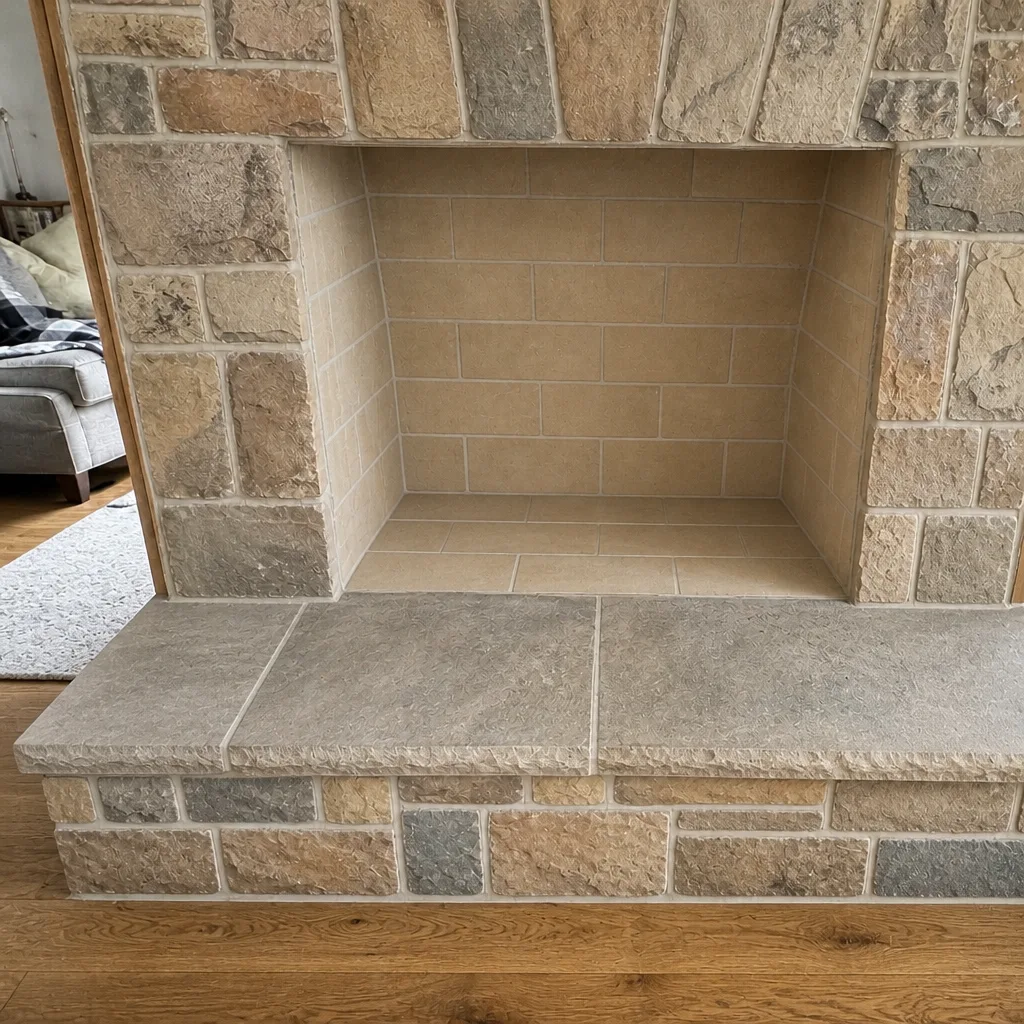
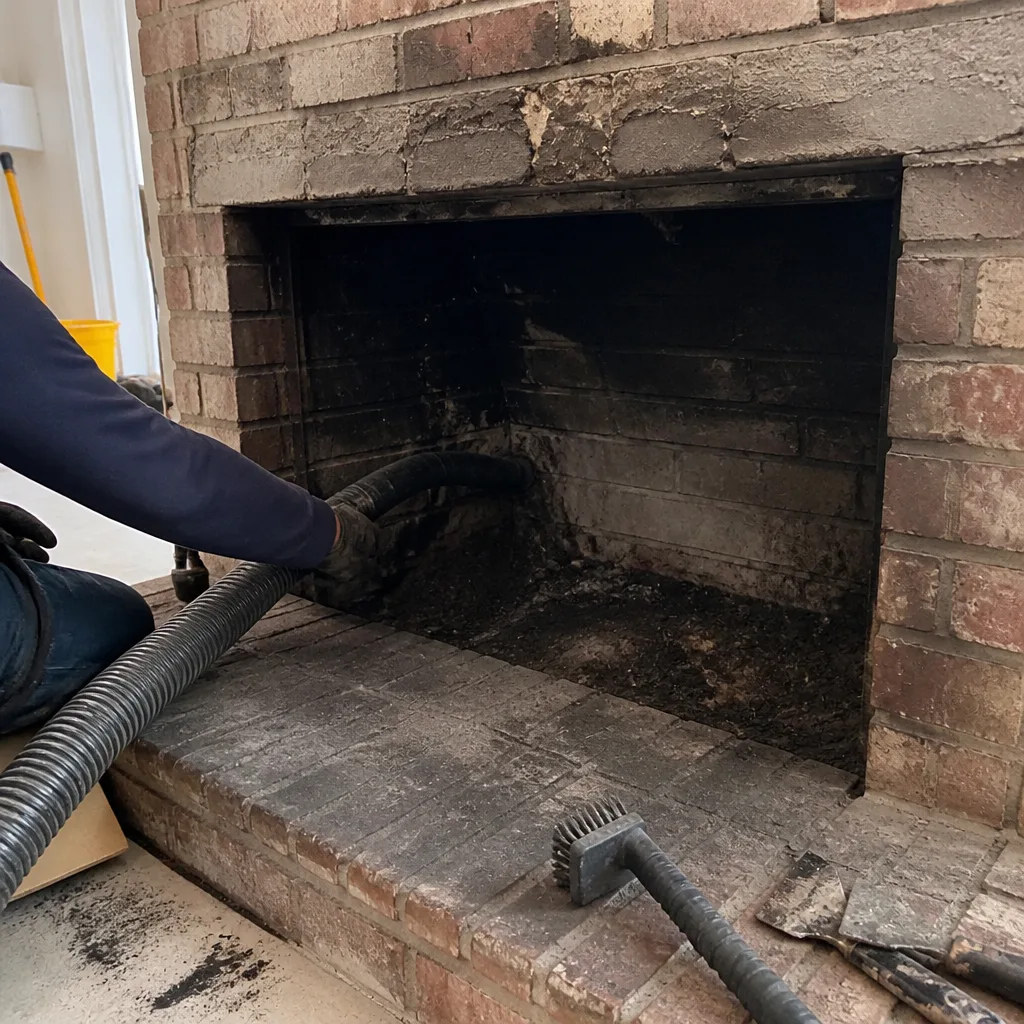
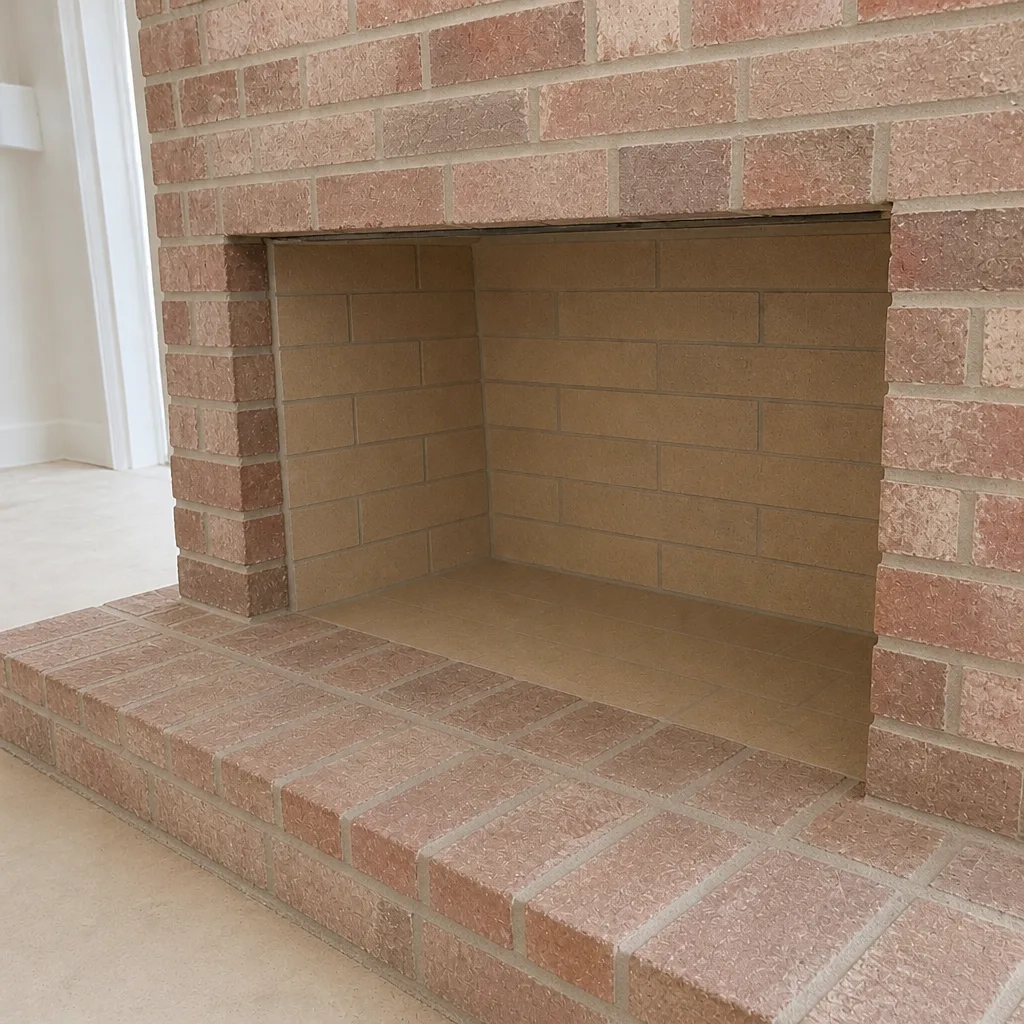
See the difference
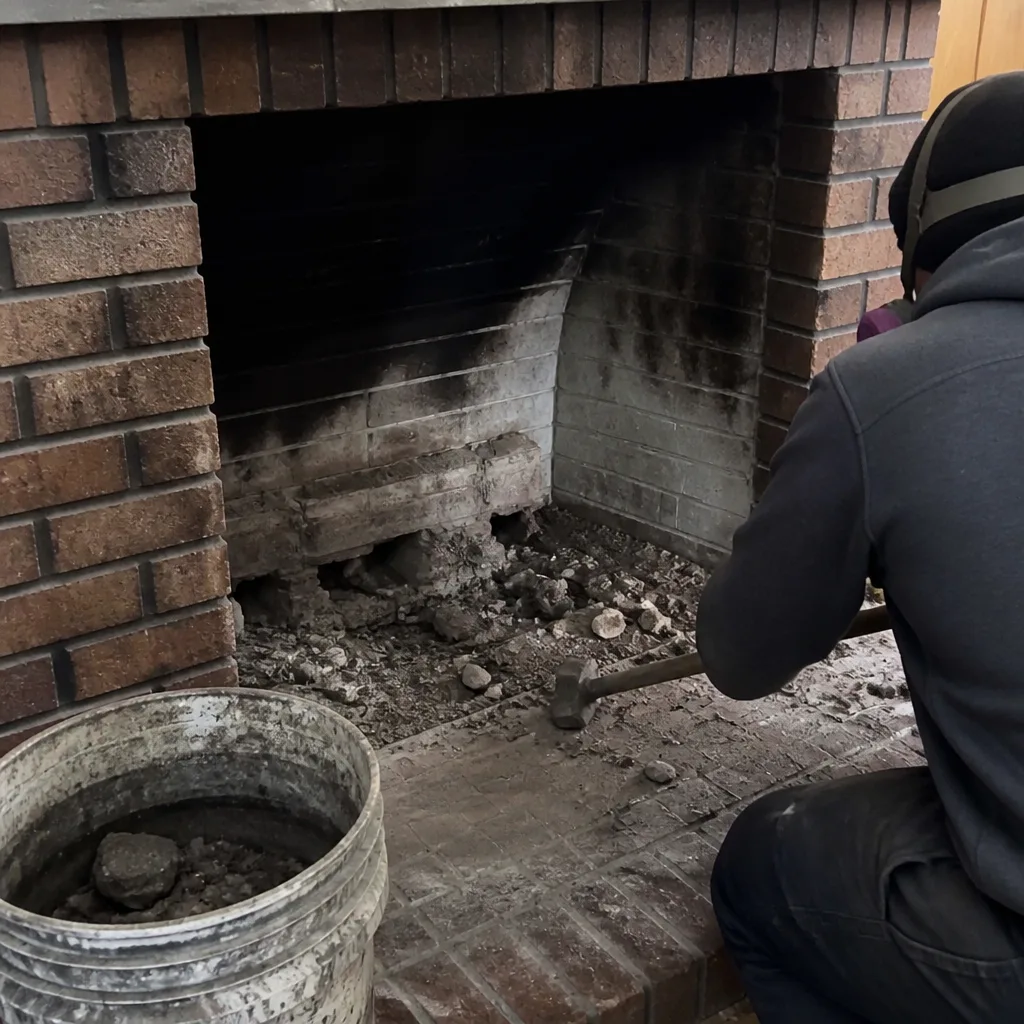 Before
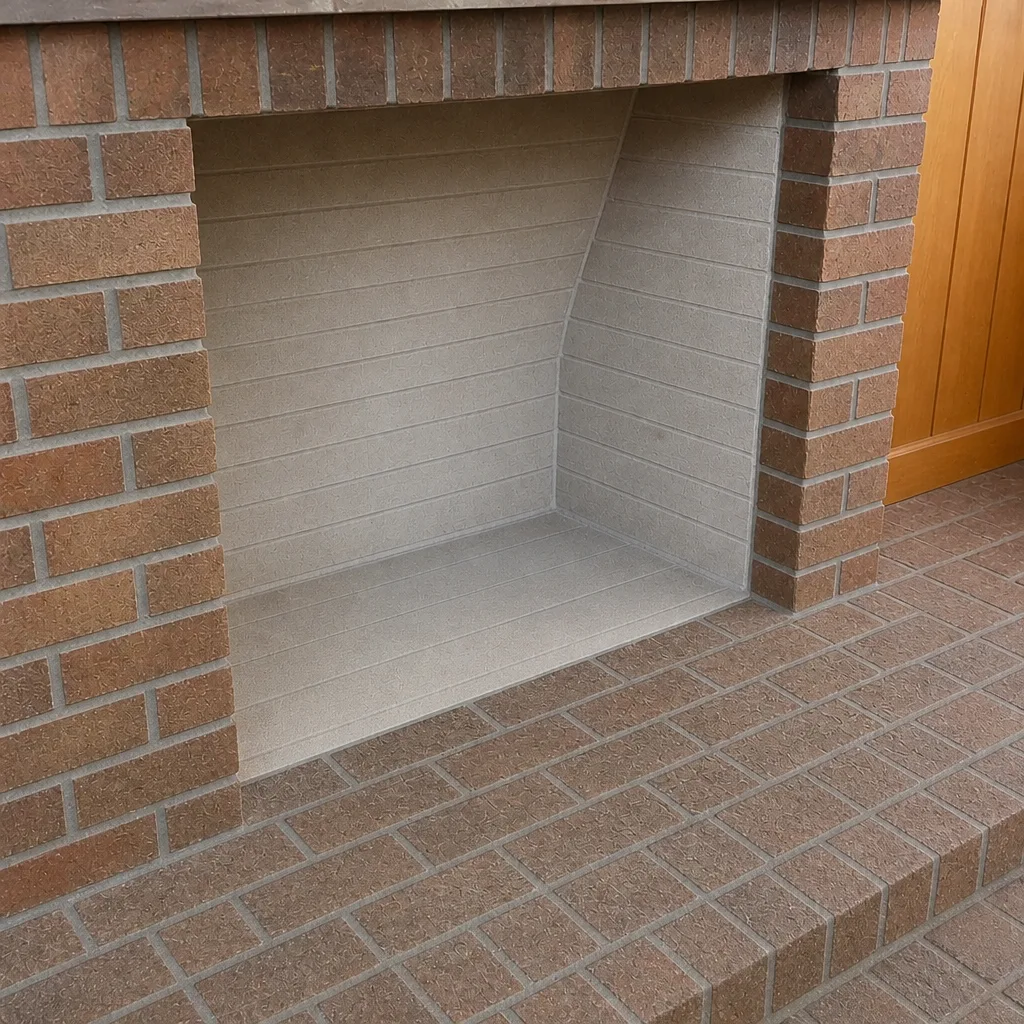 After
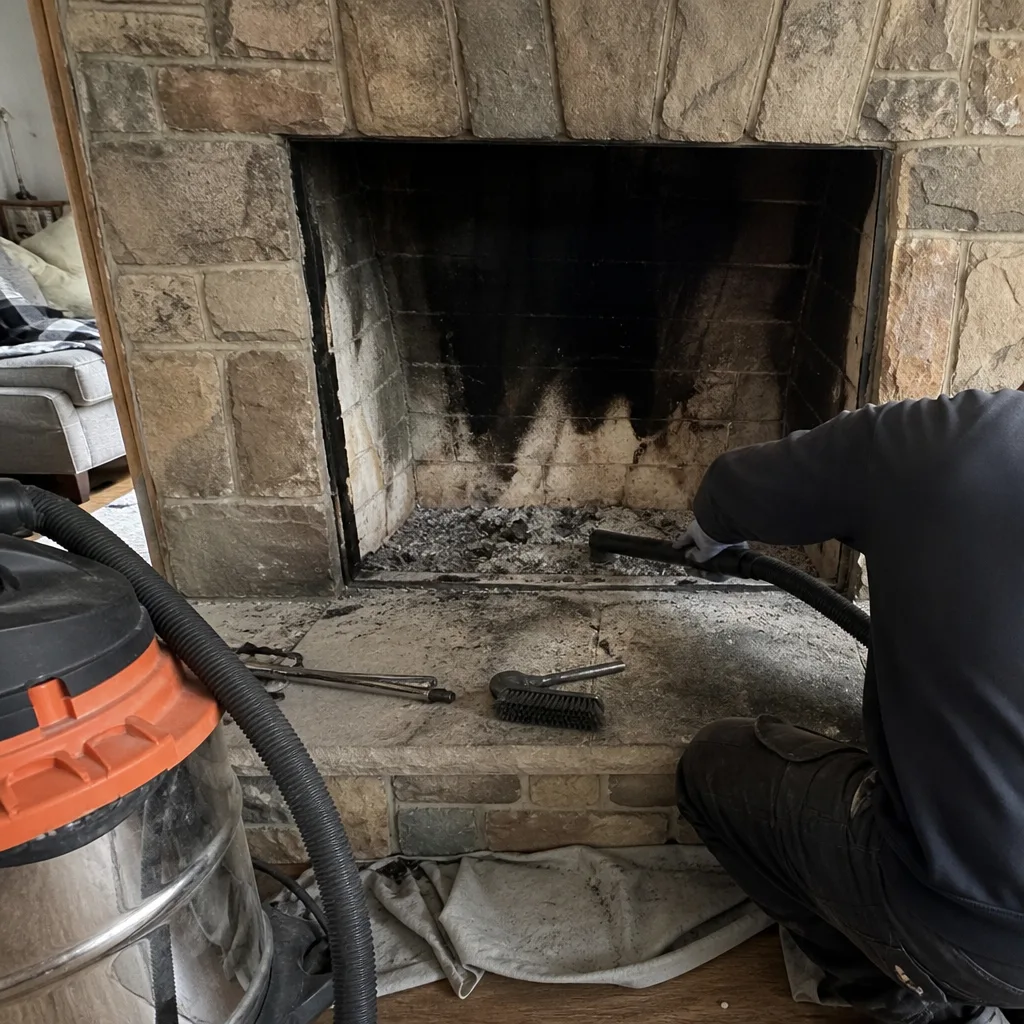 Before
 After
 Before
 After